Claude est aussi assis à l’avant de la salle à côté d’Hélène.
Claude is also sitting in the front of the room next to Helen.
TODAY
It’s very useful in conversation to be able to describe spatial relationships — the idea of where one thing is in relation to another. Today’s phrase will help you do just that.
DISCOVER MORE DIRECTIONAL WORDS
Follow the links below to learn more French vocabulary words about proximity.
that put you to sleep standing up
(literal, unused translation: to sleep standing)
C’est un mec vraiment bavard; il vous raconte des histoires à dormir debout. He’s one talkative guy; he’ll tell you stories that’ll put you to sleep standing up.
THIS WEEK
We have a special treat. One of the most difficult things about becoming fluent in French is learning to recognize all of the many idiom expressions — those phrases that mean something different than their literal meanings suggest. In English, think of the phrase It’s raining cats and dogs.
This week, a friend of our site, Bill Scoble, has assembled a great selection of commonly used French idioms for you. Add these to your vocabulary and you’ll sound like a native speaker in no time.
VOILÀ! LE NOUVEAU QUIZ Members of our Voilà service can go straight to this week’s quiz by clicking here.
GIVE YOURSELF THE GIFT OF FRENCH FANATIC!
Join Voilà for only 3.95 per month to access online practice quizzes and more. SUBSCRIBE TODAY!
Bonjour! C’est Hélène à l’appareil.
Hello! It’s Hélène on the line.
Today’s phrase is part of our weeklong look at vocabulary for the telephone. To see more telephone vocabulary, please visit our Web site at www.frenchfanatic.com.
We’d also love to know if you prefer focusing on a single topic throughout the week or enjoying a more random word each day. E-mail us to let us know!
in the front (as in a room or some other three-dimensional space)
Hélène est assise à l’avant de la salle.
Helen is seated at the front of the room.
TODAY
It’s very useful in conversation to be able to describe spatial relationships — the idea of where one thing is in relation to another. Today’s example is one phrase that will help you do that.
Nous avons des idées cadeaux à prix choc!
We have gift ideas at special prices!
To mark the season of gift-giving, our vocabulary topic this week is holiday shopping. To see other words we’ve posted on the same topic this week, visit our Web site at www.frenchfanatic.com.
FOLLOW US ON TWITTER!
Be among the first to follow French Fanatic on Twitter! Just click here to see additional words and thoughts that are intended to complement our regular Web site and daily e-mail. The tweets will be a little less frequent and a bit more random that the usual Word of the Day.
Il réfléchit un peu. Sa femme veut qu’il accroche un tableau. He thinks for a bit. His wife wants him to hang a painting.
THIS WEEK
Our topic is do-it-youself home repair — le bricolage.
VOILÀ SUBSCRIBERS, TAKE THIS WEEK’S QUIZ Members of our Voilà service can go straight to this week’s quiz by clicking here.
NOT A MEMBER OF VOILÀ YET? SIGN UP TODAY!
Don’t miss out on weekly Quizzes that help you review our daily words and other features we’ve reserved for just for members of Voilà.
Nous sommes actuellement en route.
We are currently on the way.
AVOID THE TEMPTING MISTAKE!
In French, actuellement actually means currently. If you really mean actually, you would want to use en fait.
TODAY
Our example can help you avoid a common mistake. While French and English have many cognates — words that are derived from the same root word and consequently look and sound a lot alike — these words sometimes have similar meanings but other times do not. When they don’t, they are called false cognates and can provide plenty of pitfalls for language learners. Today’s word is a perfect example of a word whose meaning could be easily mistaken.
DISCOVER MORE FALSE COGNATES
Check out these words that aren’t quite what they seem:
CAN YOU AVOID THE TEMPTING MISTAKE?
Take our French False Cognates Quiz to see if you can say currently in French and avoid the common mistakes presented by French false cognates.
Aujourd’hui, les citoyens agitent leurs drapeaux pour démontrer leur fierté. Today, citizens wave their flags to demonstrate their pride.
THIS WEEK With Independence Day in the United States this week and Bastille Day in France next, we’ll cover words related to these celebrations of freedom.
DISCOVER 700 WAYS OUR MEMBER SITE VOILÀ JUST GOT BETTER! Now, our members can easily navigate almost every one of the 700+ Words of the Day we’ve ever posted by topic with ourNEW English-French vocabulary word list. Whether you want to learn more French words about Cars, the Doctor’s Office, Restaurants, Money, the Weather or other topics we’ve covered, it’s now easier than ever to find them and see the original examples. SEE FOR YOURSELF!
Les bonbons de citron ont un goût aigre.
The lemon candy has a sour taste.
Also, note that aigre-doux means sweet and sour.
TIP: An easy way to remember this word lies in remembering the part it plays in the word vinaigre, the French word for vinegar. If you break down vinaigre (vin + aigre), you’ll see that it is quite literally sour wine.
Il faut toujours choisir entre une montre analogique (avec aiguilles) ou numérique.
You always have to choose between an analog (with hands) or digital watch.
THIS WEEK We’re exploring a common topic that is covered early on in most French classes — the time — but with a level of detail you might not have learned before. We’ll cover parts of the clock and other words that will help you do more than just say or understand what time it is.
TRACK YOUR LEARNING WITH OUR QUIZ!
How well did you learn last week’s words? Take our Weekly Quiz to find out!
Leur grand-mère arrose toutes les plantes dans son jardin. Their grandmother is watering all the plants in her garden.
ALSO RELATED un tuyau d’arrosage = a garden hose
THIS WEEK We always enjoy exploring French verbs that are important to everyday conversation but that, for whatever reason, don’t always make the cut of words commonly learned in traditional French classes. This week, we’ll attempt to uncover some of these common but uncommonly-taught verbs.
NEED HELP WITH REGULAR ER VERBS LIKE TODAY’S WORD?
Don’t forget to check out our Quick Verb Guide for conjugation examples.
Marie a atteint sa destination à 14h15.
Marie reached her destination at 2:15 p.m.
THIS WEEK We’re covering a random selection of words — ones we’ve come across in the past week or so that we think are interesting and help make anyone’s French vocabulary a little richer and more interesting.
FOLLOW US ON TWITTER Don’t forget to follow us on Twitter for more thoughts on all things French.
AVOID THE TEMPTING MISTAKE! Attendre means to wait. If you want to say you’re attending to somebody or something, you would use the verb assister. So, if you were attending to your mother, rather than waiting for her, you would say: J’assiste à ma mère.
TODAY
Our example illustrates an especially useful topic. While French and English have many cognates — words that are derived from the same root word and consequently look and sound a lot alike — these words sometimes have similar meanings but other times, as with our example today, do not. When they don’t, they are called false cognates and can provide pitfalls for language learners.
Le prof était debout au fond de la salle. The teacher was standing at the back of the room.
DID YOU KNOW?
If you’re familiar with the cooking term the fond in English, this is where it comes from. It refers to what is at the bottom of the pan.
THIS WEEK
It’s very useful in conversation to be able to describe spatial relationships — the idea of where one thing is in relation to another. This week we’ll look at some key words and phrases that will help you do that.
VOILÀ! LE NOUVEAU QUIZ Members of our Voilà service can go straight to this week’s quiz by clicking here.
PRACTICE WHAT YOU’RE LEARNING AT FRENCH FANATIC!
Join Voilà for only 3.95 per month to access online practice quizzes and more. SUBSCRIBE TODAY!
La pomme est au premier plan de la photo.
The apple is in the foreground of the photo.
TODAY
It’s very useful in conversation to be able to describe spatial relationships — the idea of where one thing is in relation to another. Today’s phrase can help you do just that. Click here for other similar words and phrases.
TAKE THE QUIZ Test yourself on spatial relationships with our quiz.
Avoir is one of the most essential of all French verbs. Not only does it express possession, it is also used to form numerous tenses of many other French verbs.
Actual meaning: to have a lot of nerve Literal meaning: to have tuft of hair
Il m’a accusé de mentir. Il a vraiment du toupet! He accused me of lying. He’s really got a lot of nerve!
ORIGIN OF THIS EXPRESSION This expression is said to have originated in the 16th Century as a reference to men who were hired by Italian nobles to kill their competitors. The assassins, who did not want to be recognized, would hide their faces with a long tress of hair — un toupet. Hence, to have le toupet came to be an exaggerated way to say someone has the same nerve as these cold-blooded killers.
THIS WEEK
We love idiomatic phrases. This week, we’ll discover more of these fun and useful gems that provide a fascinating window into the French mindset.
THE LATEST WEEKLY QUIZ FOR OUR MEMBERS
Members of our Voilà service can go straight to this week’s quiz covering the past week’s words by clicking here.
DON’T MISS OUT ON THE BENEFITS OF A VOILA! MEMBERSHIP Join Voilà for only 3.95 per month to access online practice quizzes and our archives by subject.
Le bébé a commencé à crier parce qu’il avait sommeil. The baby started to cry because he was sleepy.
EN SAVOIR PLUS: Learn More Avoir sommeil is an expression using the verb avoir. To use it, you must always conjugate the verb. Click here to see a complete conjugation of avoir.
TODAY Our word is inspired by something that we spend about a third of our lives doing — sleeping.
Louise baigne ses enfants avant de les coucher.
Louise bathes her children before putting them to bed.
Puis, elle se baigne avant de regarder la télé.
Then, she bathes before watching television.
THIS WEEK Our vocabulary topic is the bath and grooming.
VOILÀ SUBSCRIBERS, TAKE THIS WEEK’S QUIZ Members of our Voilà service can go straight to this week’s quiz by clicking here.
NOT A MEMBER OF VOILÀ YET? SIGN UP TODAY!
Don’t miss out on weekly Quizzes that help you review our daily words and other features we’ve reserved for just for members of Voilà.
Nous bâtissons un meilleur monde.
We’re building a better world.
THIS WEEK We’re looking at regular -ir verbs. Each day, we’ll choose a new verb and show an example conjugated in a different person of the present tense. To learn how to conjugate regular -ir verbs, check out our -ir verb conjugation page in our Quick Verb Guide.
TRACK YOUR LEARNING WITH OUR QUIZ!
How well did you learn last week’s words? Take our Weekly Quiz to find out!
Sa mère l’a bercé pendant une heure jusqu’à ce qu’il se soit endormi. His mother rocked him for an hour until he fell asleep.
THIS WEEK We always enjoy exploring French verbs that are important to everyday conversation but that, for whatever reason, don’t always make the cut of words commonly learned in traditional French classes. This week, we’ll attempt to uncover some of these common but uncommonly-taught verbs.
NEED HELP WITH REGULAR ER VERBS LIKE TODAY’S WORD?
Don’t forget to check out our Quick Verb Guide for conjugation examples.
Henri s’est blessé la jambe en jouant au tennis.
Henri injured his leg while playing tennis.
AVOID THE TEMPTING MISTAKE! Blesser means to injure, not to bless. When we remember this, Henri gets attention for his injury — not for strangely bestowing blessings on body parts during a match!
THIS WEEK
We have an especially useful topic for you. While French and English have many cognates — words that are derived from the same root word and consequently look and sound a lot alike — these words sometimes have similar meanings but other times do not. When they don’t, they are called false cognates and can provide plenty of pitfalls for language learners.
This week, we’ll share some of our favorite false cognates with you to keep you from falling into the trap of translating incorrectly.
THE LATEST QUIZ IS READY FOR OUR VOILÀ! SUBSCRIBERS Members of our Voilà service can go straight to this week’s quiz by clicking here. Not a member yet? SUBSCRIBE HERE!
La mer bleue est au-dessous du ciel bleu. The blue sea is beneath the blue sky.
GRAMMAR NOTE As with a similar related example, you can see how the gender of the adjective bleu changes depending upon the noun it modifies, adding an e when used to modify la mer, which is feminine, and maintaining its masculine form with no e when modifying le ciel, which is masculine.
TODAY Our word is from a topic that’s perfect for beginning French students — colors, or les couleurs. If you’ll be studying French for the first time next school year or if you just need a refresher, these French words for colors are for you.
TAKE THE QUIZ See if you remember how to say blue in French and more with our Colors Quiz.
Des milliers de voyageurs étaient bloqués partout dans le monde.
Thousands of travelers were stuck all over the world.
THIS WEEK It’s not every week that we witness a volcano eruption having a major impact on European news. With the eruption of the Eyjafjallajokull Volcano in Iceland disrupting European travel, we thought we’d take a look a some of the French words about the volcanic eruption and its impact on travelers.
FOLLOW US ON TWITTER Don’t forget to follow us on Twitter for more thoughts on all things French.
Nous vous souhaitons de Bonnes Fêtes! We wish you Happy Holidays!
ABOUT TODAY’S WORD
You often see and hear this holiday wish, especially in public settings. Like Happy Holidays, it is embracing of the entire season and no one particular holiday.
THIS WEEK
We’re beginning to look at some of the vocabulary unique to the holiday season.
VOILÀ! LE NOUVEAU QUIZ Members of our Voilà service can go straight to this week’s quiz by clicking here.
GIVE YOURSELF THE GIFT OF FRENCH FANATIC!
Join Voilà for only 3.95 per month to access online practice quizzes and more. SUBSCRIBE TODAY!
Bien qu’elle ait bossé dur, elle n’avait jamais de fric. Even though she slaved away, she never had any money.
TODAY
Every language is full of slang, or l’argot. French is no exception. Today’s word is one example of the slang that makes the language so rich. Words like this are more informal, and you’ll want to use them only in familiar settings.
QUIZ LINK
Find out how much French slang you know when you take our quiz.
Branchez l’appareil avant de l’utiliser. Débranchez-le après avoir fini.
Plug in the device before using it. Unplug it when finished.
FUN FACT: Branché, which literally means to be plugged in, is also widely used to mean someone who is hip — plugged in, if you will — to current trends, fashion and other popular culture.
You might hear a conversation like this:
— Natalie est assez branchée, non?Natalie’s rather hip, no?
— Oui, bien sûr, elle est très chic. Yes, of course, she’s very stylish.
Le soleil était brillant et chaud.
The sun was bright and hot.
THIS WEEK With the school year over or winding down for many of us and thoughts turning to summer vacations, we thought this would be a great week to look at some words for life in the sun — or la vie dans le soleil.
TRACK YOUR LEARNING WITH OUR QUIZ!
How well did you learn last week’s words? Take our Weekly Quiz to find out!
Paul aime passer du temps au soleil. Il est toujours bronzé.
Paul likes to spend time in the sun. He’s always tanned.
THIS WEEK With the school year over or winding down for many of us and thoughts turning to summer vacations, we thought this would be a great week to look at some words for life in the sun — or la vie dans le soleil.
TRACK YOUR LEARNING WITH OUR QUIZ!
How well did you learn last week’s words? Take our Weekly Quiz to find out!
Les feuilles d’automne sont jaunes, oranges et brunes. The autumn leaves are yellow, orange and brown.
TODAY Our word is from a topic that’s perfect for beginning French students — colors, or les couleurs. If you’ll be studying French for the first time next school year or if you just need a refresher, these French words for colors are for you.
TAKE THE QUIZ See if you remember how to say brown in French and more with our Colors Quiz.
Allô. Pourrais-je parler à Charles? Hello. Could I speak to Charles? Oui, c’est de la part de qui? Yes, who’s calling?
MORE WORDS ON TODAY’S TOPIC
Today’s phrase is part of our look at vocabulary for the telephone. To see more French words to help your telephone conversations, click here.
Elle a réussit à ses examens. C’est génial!
She passed her exams. That’s fantastic!
TIP
This phrase is a pretty strong exclamation in French, maybe slightly stronger than it’s great in American English — something more akin to it’s brilliant in British English. The phrase can imply a certain degree of cleverness.
THIS WEEK Our vocabulary topic is expressions that matter. We’re covering some common phrases that come up in conversation so that you can both recognize them and use them to impress native French speakers. To see other vocabulary we’ve posted on this topic this week, visit us at www.frenchfanatic.com.
FOLLOW US ON TWITTER Don’t forget to follow us on Twitter for more thoughts on all things French.
Je n’ai pas d’argent. C’est pour ça que je vais à la banque.
I don’t have any money. That’s why I’m going to the bank.
TIP
In a French class, you likely will learn learn that c’est pourquoi would be the best way to say this. Of course, c’est pourquoi is perfectly acceptable. But you’re at least as likely to hear c’est pour ça que.
THIS WEEK Our vocabulary topic is expressions that matter. We’ll cover some common phrases that come up in conversation so that you can both recognize them and use them to impress native French speakers.
PARDONNEZ-NOUS!
We made a mistake in yesterday’s translation sent to our e-mail subscribers. We incorrectly paired a formal form of the verb mettre with an informal pronoun. The correct translation of Put on your coat before going outside should have been Mettez votre manteau avant d’aller dehors. Thank you to one of our readers for pointing out the error!
I don’t care/It’s all the same to me/It doesn’t matter to me
(literally, it is equal to me)
Que veux-tu regarder à la télé? Ça m’est égal.
What do you want to watch on television? It doesn’t matter to me.
TIP This is one of those great little expressions that will make you sound like a native. Now, all that’s left to do is to practice it with that certain French je ne sais quoi that makes you appear as if you truly couldn’t care less!
THIS WEEK Our vocabulary topic is expressions that matter. We’re covering some common phrases that come up in conversation so that you can both recognize them and use them to impress native French speakers. To see other vocabulary we’ve posted on this topic this week, visit us at www.frenchfanatic.com.
FOLLOW US ON TWITTER Don’t forget to follow us on Twitter for more thoughts on all things French.
Ça y est! J’ai fini mes devoirs.
That’s it! I finished my homework.
THIS WEEK Our vocabulary topic is expressions that matter. We’re covering some common phrases that come up in conversation so that you can both recognize them and use them to impress native French speakers. To see other vocabulary we’ve posted on this topic this week, visit us at www.frenchfanatic.com.
FOLLOW US ON TWITTER Don’t forget to follow us on Twitter for more thoughts on all things French.
Les feuilles souvent changent de couleur en automne.
Leaves often change color in the fall.
Vidéo. The narrator in this video explains why leaves change color.
This week, we are exploring words and phrases about autumn. To see more words and phrases about autumn or if you had any difficulty seeing the video, visit www.frenchfanatic.com.
Je cherche mes clés que j’ai perdus hier soir. I’m looking for my keys I lost last night.
TO SEE A COMPLETE CONJUGATION OF CHERCHER
We suggest conjugation-fr.com.
TIP As humans, we seem to be constantly looking for something. Chercher is a verb you’ll find yourself using a lot in French conversation. Note that unlike in English, in which to look is followed by the word for, this preposition is not needed in French. Chercher means to look for.
THIS WEEK Our vocabulary topic is essential verbs for conversation. We’re reviewing some of the verbs that are key to day-to-day conversation. For other common verbs, including an example of how to conjugate other -er verbs like chercher, see our Quick Verb Guide at www.frenchfanatic.com.
Je cherche mon livre, parce que je cherche à finir mes devoirs.
I’m looking for my book, because I’m attempting to finish my homework.
ABOUT CHERCHER
The verb chercher reminds us of another important feature of some French verbs in relation to their English counterparts. Some English verbs that require a preposition after them — to look for, for example — are expressed without the preposition in French. In fact, it would be incorrect in French to include a preposition after chercher when using it to mean to look for.
THIS WEEK
In French, a verb’s meaning can change considerably depending upon the preposition that follows it. This week, we’ve been looking at verbs and prepositions to see how several common verbs’ meanings can change slightly, or sometimes significantly. This is also a good time to remind ourselves that French verbs do not always take the same prepositions as their English counterparts.
THE LATEST WEEKLY QUIZ FOR OUR MEMBERS
Members of our Voilà service can go straight to this week’s quiz covering the past week’s words by clicking here.
DON’T MISS OUT ON THE BENEFITS OF A VOILA! MEMBERSHIP Join Voilà for only 3.95 per month to access online practice quizzes and our archives by subject.
J’ai besoin d’aller chez le coiffeur. I need to go to the hairdresser’s.
RELATED WORDS
a salon = un salon
a barbershop = un salon de coiffure pour hommes
a male hairstylist = un coiffeur
a female hairstylist = une coiffeuse
THIS WEEK
Fashion and beauty is a serious part of French culture. Consequently, a trip to the salon or barbershop is tout à fait essentiel. This week, we’ll look at the vocabulary of the salon.
THE LATEST WEEKLY QUIZ FOR OUR MEMBERS
Members of our Voilà service can go straight to this week’s quiz covering the past week’s words by clicking here.
DON’T MISS OUT ON THE BENEFITS OF A VOILA! MEMBERSHIP Join Voilà for only 3.95 per month to access online practice quizzes and our archives by subject.
J’ai chiffonné la feuille de papier et l’ai jetée dans la corbeille à papier. I crumpled the piece of paper and threw it in the wastebasket.
THIS WEEK We always enjoy exploring French verbs that are important to everyday conversation but that, for whatever reason, don’t always make the cut of words commonly learned in traditional French classes. This week, we’ll attempt to uncover some of these common but uncommonly-taught verbs.
NEED HELP WITH REGULAR ER VERBS LIKE TODAY’S WORD?
Don’t forget to check out our Quick Verb Guide for conjugation examples.
Je choisis les chaussures rouges.
I am choosing the red shoes.
THIS WEEK We’ll take a look at one of the little unsung heroes of the French language — the regular -ir verb. While not as common as -er verbs, -ir verbs contain several among them that are frequently used and important to know. Each day, we’ll choose a different verb and show an example conjugated in a different person of the present tense. To learn how to conjugate regular -ir verbs, check out our -ir verb conjugation page in our Quick Verb Guide.
TRACK YOUR LEARNING WITH OUR QUIZ!
How well did you learn last week’s words? Take our Weekly Quiz to find out!
L’éruption volcanique a cloué des milliers d’avions.
The volcanic eruption grounded thousands of planes.
THIS WEEK With the eruption of the Eyjafjallajokull Volcano in Iceland disrupting European travel, we thought we’d take a look a some of the French words about the volcanic eruption and its impact on travelers.
DON’T FORGET TO TAKE THIS WEEK’S QUIZ!
How well did you learn last week’s words? Take our Weekly Quiz to find out!
Pour combien de jours avez-vous besoin de la voiture? How many days do you need the car?
THIS WEEK We always enjoy covering vocabulary topics about travel, because they contain essential words and phrases for French language learners who want to visit a French-speaking country. This week, we’ll look at useful French words and phrases for renting a car.
Marcel a été congédié en raison d’être toujours en retard. Marcel was fired for always being late.
THIS WEEK
We’re looking at vocabulary words related to the workplace and working.
THE LATEST QUIZ IS READY FOR OUR VOILÀ! SUBSCRIBERS
Members of our Voilà service can go straight to this week’s quiz by clicking here. For a sneak peek of Voilà!, click here. You’ll find ways to practice verbs, review our daily vocabulary words, search our word archives by category and more.
Notre professeur a corrigé les copies. Our professor graded the papers.
BACK-TO-SCHOOL VERB PRACTICE Teachers, tell your students about our 4 new verb practice exercises — 100 questions total! — that we’ve added to our Voilà! members area. The online practice sessions make it easy to gain proficiency in -er, -ir, -re and the most common irregular verbs. For a sneak peek of Voilà!, click here. NOT A MEMBER YET?SUBSCRIBE TODAY!
THIS WEEK
With the return of so many students to classrooms at the end of this month and early next, it’s a perfect time to get grounded in some of the basic vocabulary of the classroom. If you’re studying French for the first time, get ahead of the curve with these words and phrases — and maybe even impress le prof!
THE LATEST QUIZ IS READY FOR OUR VOILÀ! SUBSCRIBERS Members of our Voilà service can go straight to this week’s quiz by clicking here.
OOPS! Yesterday’s e-mail incorrectly identified the gender of the word clignotant.Please note that it is masculine.
Jacques a cousu l’ourlet de sa chemise avec du fil blanc. Jacques sewed the hem of his shirt with white thread.
REMARQUEZ!
We used the passé composé to demonstrate today’s verb because we thought its past participle, cousu, is rather unexpected. You can see the verb’s entire conjugation here.
THIS WEEK
We’re building our reservoir of useful verbs by looking at a few that don’t necessarily come up a lot but are nonetheless handy.
VOILÀ! LE NOUVEAU QUIZ Members of our Voilà service can go straight to this week’s quiz by clicking here.
THIS HOLIDAY, GIVE YOURSELF THE GIFT OF FRENCH FANATIC!
Join Voilà for only 3.95 per month to access online practice quizzes and more. SUBSCRIBE TODAY!
L’homme a été déclaré non coupable par le jury. The man was found not guilty by the jury.
THIS WEEK
It’s our own version of a courtroom drama here at French Fanatic as we examine the vocabulary of the court.
THE LATEST WEEKLY QUIZ FOR OUR MEMBERS
Members of our Voilà service can go straight to this week’s quiz covering the past week’s words by clicking here.
DON’T MISS OUT ON THE BENEFITS OF A VOILA! MEMBERSHIP Join Voilà for only 3.95 per month to access online practice quizzes and our archives by subject.
Coupez l’oignon en dés et ajoutez-le au saladier. Dice the onion and add it to the bowl.
THIS WEEK
We go back to one of our favorite places — la cuisine, or the kitchen — to explore words you might encounter in recipes.
THE LATEST WEEKLY QUIZ FOR OUR MEMBERS
Members of our Voilà service can go straight to this week’s quiz covering the past week’s words by clicking here.
DON’T MISS OUT ON THE BENEFITS OF A VOILA! MEMBERSHIP Join Voilà for only 3.95 per month to access online practice quizzes like our special 2010 Year in Review Quiz and our archives by subject.
Pas trop court, s’il vous plaît. J’aime les cheveux longs. Not too short, please. I like long hair.
THIS WEEK
Fashion and beauty is a serious part of French culture. Consequently, a trip to the salon or barbershop is tout à fait essentiel. This week, we’ll look at the vocabulary of the salon.
THE LATEST WEEKLY QUIZ FOR OUR MEMBERS
Members of our Voilà service can go straight to this week’s quiz covering the past week’s words by clicking here.
DON’T MISS OUT ON THE BENEFITS OF A VOILA! MEMBERSHIP Join Voilà for only 3.95 per month to access online practice quizzes and our archives by subject.
to think, to believe in (usu. a thing or idea), to believe in (usu. a person or entity)
Je crois que nous allons. Je crois à la puissance du peuple. Je crois en toi.
I think we are going. I believe in the power of the people. I believe in you.
THIS WEEK
In French, a verb’s meaning can change considerably depending upon the preposition that follows it. This week, we’ll look at verbs and prepositions to see how several common verbs’ meanings can change slightly, or sometimes significantly. This is also a good time to remind ourselves that French verbs do not always take the same prepositions as their English counterparts.
THE LATEST WEEKLY QUIZ FOR OUR MEMBERS
Members of our Voilà service can go straight to this week’s quiz covering the past week’s words by clicking here.
DON’T MISS OUT ON THE BENEFITS OF A VOILA! MEMBERSHIP Join Voilà for only 3.95 per month to access online practice quizzes and our archives by subject.
Profitez davantage de French Fanatic en visitant chaque jour de l’année. Get more from French Fanatic by visiting each day of the year.
THIS WEEK
We’re looking at words that remind us of all the possibilities of a new year.
A SPECIAL WAY FOR OUR VOILA! SUBSCRIBERS TO KICK OFF 2011
Start 2011 with a special expanded edition of our weekly quiz featuring 50 questions covering words we posted here throughout 2010, including selections from our Year in Review last week. Members who are logged into Voila! can go straight to this special benefit for our members by clicking here.
DON’T MISS OUT ON THE BENEFITS OF A VOILA! MEMBERSHIP Join Voilà for only 3.95 per month to access online practice quizzes like our special 2010 Year in Review Quiz and our archives by subject.
Il y a beaucoup à faire avant le jour lorsqu’on peut déboucher la bouteille. There’s a lot to do before the day when we can uncork the bottle.
THIS WEEK
Wine and winemaking is an inextricable part of the French culture. With this year’s harvest season upon us, this week is a perfect time to discover the vocabulary of the vineyards.
THE LATEST QUIZ IS READY FOR OUR VOILÀ! SUBSCRIBERS
Members of our Voilà service can go straight to this week’s quiz by clicking here. For a sneak peek of Voilà!, click here. You’ll find ways to practice verbs, review our daily vocabulary words, search our word archives by category and more.
J’ai décidé d’essayer de décider Paul à venir.
I decided to try to persuade Paul to come.
TONGUE TWISTER! Today’s example is a bit of wordplay — or jeu de mots. If you can say it 10 fois rapidement (10 times quickly), you might be a French Fanatic indeed!
TODAY
In French, a verb’s meaning can change depending upon the preposition that follows it. Today, we’re looking at an example of how verbs and prepositions interact to change a verb’s meaning, sometimes significantly. This is also a good time to remind ourselves that French verbs do not always take the same prepositions as their English counterparts.
C’est facile de découper une citrouille! It’s easy to carve a pumpkin.
CAN’T WAIT FOR THE REST OF THIS WEEK’S SPOOKY WORDS? After you’ve learned to say to carve a pumpkin in French, follow the links below to discover more of the Halloween words we’re covering this week:
Pour passer un coup de fil, il faut décrocher le recepteur.
To make a phone call, you have to pick up the receiver.
Après avoir parler, raccrochez le recepteur.
After talking, hang up the receiver.
Today’s words are part of our weeklong look at vocabulary for the telephone. To see more telephone vocabulary, please visit our Web site at www.frenchfanatic.com.
We’d also love to know if you prefer focusing on a single topic throughout the week or enjoying a more random word each day. E-mail us to let us know!
Elle est déjà allée à Paris.
She has already gone to Paris.
GRAMMAR NOTE Déjà is an adverb of time, but it behaves more like an adverb of frequency. In this example, note how it follows the conjugated verb.
TODAY We’re looking at a word that is among adverbs of time and frequency. Their placement can be a little tricky, but, in general, adverbs of time are placed at the beginning or end of a sentence, while adverbs of frequency are generally placed after the conjugated verb. Sound like too much? Don’t worry. Over time, as you learn French, your ear will start to guide you.
Demain, nous allons voir une pièce au théâtre.
Tomorrow, we are going to see a play at the theatre.
GRAMMAR NOTE
Like many adverbs of time, demain can be placed at the start of a sentence to help emphasize the importance of the time element. We treat these adverbs similarly in English.
THIS WEEK We’re looking at some adverbs of time and frequency. Their placement can be a little tricky, but, in general, adverbs of time are placed at the beginning or end of a sentence, while adverbs of frequency are generally placed after the conjugated verb. Sound like too much? Don’t worry. Over time, as you learn French, your ear will start to guide you.
TRACK YOUR LEARNING WITH OUR QUIZ!
How well did you learn last week’s words? Take our Weekly Quiz to find out!
Jean a demandé de l’argent.
Jean asked for some money.
AVOID THE TEMPTING MISTAKE! Demander means to ask, not to demand. As you can imagine, making that mistake when translating the example sentence above could make the difference between casting Jean as a polite young man or a robber!
THIS WEEK
We have an especially useful topic for you. While French and English have many cognates — words that are derived from the same root word and consequently look and sound a lot alike — these words sometimes have similar meanings but other times do not. When they don’t, they are called false cognates and can provide plenty of pitfalls for language learners.
This week, we’ll share some of our favorite false cognates with you to keep you from falling into the trap of translating incorrectly.
THE LATEST QUIZ IS READY FOR OUR VOILÀ! SUBSCRIBERS Members of our Voilà service can go straight to this week’s quiz by clicking here. Not a member yet? SUBSCRIBE HERE!
Toute sa vie, elle a songé à démarrer une entreprise. All her life, she dreamed of starting a business.
THIS WEEK Small shop owners and entrepreneurs make up a significant part of businesses in France. This week we’ll learn words about small business, or petit commerce.
DISCOVER 700 WAYS OUR MEMBER SITE VOILÀ JUST GOT BETTER! Now, our members can easily navigate almost every one of the 700+ Words of the Day we’ve ever posted by topic with our NEW English-French vocabulary word list. Whether you want to learn more French words about Cars, the Doctor’s Office, Restaurants, Money, the Weather or other topics we’ve covered, it’s now easier than ever to find them and see the original examples. SEE FOR YOURSELF!
Imaginons ce qu’ils se disent(Let’s imagine what they say to each other): Tiens! Tu portes des chaussettes dépareillées. Regarde-toi, mon frère. Hey! You’re wearing mismatched socks. Look at yourself, brother.
THIS WEEK
We couldn’t help but laugh last week at this video of twin boys in a conversation all their own. The lively exchange is our inspiration for this week’s words. If you haven’t seen it, check out the video here:
If you received this in our daily e-mail and have trouble viewing the video, please visit our site at www.frenchfanatic.com.
Rendez vos devoirs avant de partir, s’il vous plaît. Turn in your homework before leaving, please.
THIS WEEK
With the return of so many students to classrooms at the end of this month and early next, it’s a perfect time to get grounded in some of the basic vocabulary of the classroom. If you’re studying French for the first time, get ahead of the curve with these words and phrases — and maybe even impress le prof!
BACK-TO-SCHOOL VERB PRACTICE! Teachers, tell your students about our 4 new verb practice exercises — 100 questions total! — that we’ve added to our Voilà! members area. The online practice sessions make it easy to gain proficiency in -er, -ir, -re and the most common irregular verbs. For a sneak peek of Voilà!, click here. NOT A MEMBER YET?SUBSCRIBE TODAY!
THE LATEST QUIZ IS READY FOR OUR VOILÀ! SUBSCRIBERS Members of our Voilà service can go straight to this week’s quiz by clicking here.
Je cherche des informations sur vos produits. I’m looking for information on your products.
TODAY Note how the French use the plural des informations instead of the singular form of the word as we do with information in English. It’s one example of singular and plural differences between the two languages. Follow the links below to discover more examples of French vocabulary words that differ from English in their singular and plural expressions.
TODAY Note how the French use the plural des progrès instead of a singular form of the word as we do in English. It’s just one of several examples of singular and plural differences between the two languages.
Nous allons désormais conduire une voiture électrique.
From now on, we are going to drive an electric car.
GRAMMAR NOTE Désormais is an adverb of time. But unlike many adverbs of time, it tends to follow the conjugated verb it describes rather than coming at the beginning or end of a sentence.
Today’s words are perfect for students who are studying French for the first time. Craving more words? Visit our site www.frenchfanatic.com and browse the archives.
easy, a piece of cake
(literal, unused translation: of the cake)
Pour moi, ce sera plutôt difficile, mais pour lui ce sera du gâteau. For me, it will be rather difficult, but for him, it’ll be a piece of cake.
THIS WEEK
We have a special treat. One of the most difficult things about becoming fluent in French is learning to recognize all of the many idiom expressions — those phrases that mean something different than their literal meanings suggest. In English, think of the phrase It’s raining cats and dogs.
This week, a friend of our site, Bill Scoble, has assembled a great selection of commonly used French idioms for you. Add these to your vocabulary and you’ll sound like a native speaker in no time.
VOILÀ! LE NOUVEAU QUIZ Members of our Voilà service can go straight to this week’s quiz by clicking here.
GIVE YOURSELF THE GIFT OF FRENCH FANATIC!
Join Voilà for only 3.95 per month to access online practice quizzes and more. SUBSCRIBE TODAY!
Empruntez le chemin à droite à travers la campagne.
Take the road on the right through the countryside.
MORE ABOUT THIS EXPRESSION Although emprunter usually means to borrow, it takes on a slightly different meaning in this expression.
THIS WEEK
When you learn the word for car, la voiture, in French class, the vocabulary sometimes doesn’t go too far beyond that. But there is, of course, so much vocabulary related to cars and driving. This week, we’ll help you get past la voiture to some practical words and phrases that will keep you moving.
THE LATEST QUIZ IS READY FOR OUR VOILÀ! SUBSCRIBERS Members of our Voilà service can go straight to this week’s quiz by clicking here. Not a member yet? SUBSCRIBE HERE!
Empruntez le chemin à droite à travers la campagne.
Take the road on the right through the countryside.
OUR FAVORITE WORDS FROM 2010
This week, we’re reviewing our favorite Words of the Day from 2010. We actually had a hard time choosing our favorite word from the week of words we published in August on the topic of Cars and Driving. We loved this phrase because it’s so very French and indispensable vocabulary for communicating about directions.
VOILÀ! LE NOUVEAU QUIZ Members of our Voilà service can go straight to this week’s quiz by clicking here.
GIVE YOURSELF THE GIFT OF FRENCH FANATIC!
Join Voilà for only 3.95 per month to access online practice quizzes and more. SUBSCRIBE TODAY!
Voulez-vous du beurre? Oui, j’en veux. Do you want some butter? Yes, I want some.
Vous avez besoin de livres? Oui, j’en ai besoin.
You need books? Yes, I need some.
Vous avez des lampes? Combien en avez-vous?
You have some lamps? How many of them do you have?
Tu as les trois clés? Non, j’en ai deux.
You have the three keys? No, I have two of them.
Tu viens de Londres? Oui, j’en viens.
You’re coming from London? Yes, I’m coming from there.
ABOUT EN
The adverbial pronoun en typically replaces phrases that begin with de — especially the partitive article. It may also be used to stand in for de + a place or to demonstrate a portion of a definite quantity (Il en a cinq/He has five of them).
THIS WEEK
Instead of having a different word each day, we’re focusing on just two words — the adverbial pronouns y and en.
THE LATEST WEEKLY QUIZ FOR OUR MEMBERS
Members of our Voilà service can go straight to this week’s quiz covering the past week’s words by clicking here.
DON’T MISS OUT ON THE BENEFITS OF A VOILA! MEMBERSHIP Join Voilà for only 3.95 per month to access online practice quizzes like our special 2010 Year in Review Quiz and our archives by subject.
Les nuages sont en arrière-plan de la photo.
The clouds are in the background of the photo.
ABOUT TODAY’S WORD
It’s very useful in conversation to be able to describe spatial relationships — the idea of where one thing is in relation to another. Today’s phrase is an example.
Actual meaning: to take ten minutes (to do something) Literal meaning: to have for ten minutes of it
Je dois prendre une douche. J’en ai pour dix minutes. I have to take a shower. It’ll take 10 minutes.
TODAY
We love idiomatic phrases. Today’s phrase is an example of one of these fun and useful gems that add richness to our vocabulary. To discover more similar phrases, click here.
QUIZ LINK
Test yourself on today’s phrase and others like it here.
Actual meaning: to begin to wonder if Literal meaning: to be at the point of asking oneself if
J’en suis à me demander si le printemps arrivera. I’m beginning to wonder if spring will arrive.
TODAY
We love idiomatic phrases. Today’s example is one of these fun and useful gems that can make your French vocabulary much richer. To discover more idiomatic expressions, click here.
TAKE OUR QUIZ
Find out how many French idiomatic expressions you know by taking our quiz.
Pierre était en haut pendant que son père était en bas.
Pierre was upstairs, while his father was downstairs.
TODAY’S WORD
It’s very useful in conversation to be able to describe spatial relationships — the idea of where one thing is in relation to another. Today’s example is one such word that can help you do that.
BASTILLE DAY In France, today is Bastille Day, or le quatorze juillet — a celebration of the anniversary of the storming of the Bastille Prison that was seen as a key symbolic event in the French Revolution.It is a day frequently celebrated with parades, parties and dancing. Learn more on Wikipedia.
BASTILLE DAY FIREWORKS
See the fireworks over the Eiffel Tower from today’s festivities here.
Regardez en vitrine et voyez les ours en peluche!
Look in the window and see the teddy bears!
Vidéo. Today we have a special treat that will take you shopping in Paris without ever leaving your chair. This video of the famed Galeries Lafayette department store shows a recent window display that featured a cast of teddy bears. Regardez en vitrine!
To mark this season of gift-giving, our vocabulary topic for the week is holiday shopping. To see all the words we’ve posted on the topic this week, of if you received this video via e-mail and have difficulty viewing it, please visit our Web site at www.frenchfanatic.com.
En is used in several common phrases to express a range of indefinite ideas.
Elle n’est pas fâchée. J’en suis positif. She’s not mad. I’m positive about it.
J’ai perdu mon argent. Je n’en reviens pas.
I lost my money. I can’t get over it. (literally, I can’t return from it.)
Elle s’en est allée. She went away.
Je vous en prie.
You’re welcome (very polite — literally, I ask you to think nothingof it.)
THIS WEEK
Instead of having a different word each day, we’re focusing on just two words — the adverbial pronouns y and en.
THE LATEST WEEKLY QUIZ FOR OUR MEMBERS
Members of our Voilà service can go straight to this week’s quiz covering the past week’s words by clicking here.
DON’T MISS OUT ON THE BENEFITS OF A VOILA! MEMBERSHIP Join Voilà for only 3.95 per month to access online practice quizzes like our special 2010 Year in Review Quiz and our archives by subject.
Nous entamons l’année avec beaucoup de possibilités. We begin the year with many possibilities.
A-t-il déjà entamé le pain?
Has he already cut into the bread?
THIS WEEK
We’re looking at words that remind us of all the possibilities of a new year.
A SPECIAL WAY FOR OUR VOILA! SUBSCRIBERS TO KICK OFF 2011
Start 2011 with a special expanded edition of our weekly quiz featuring 50 questions covering words we posted here throughout 2010, including selections from our Year in Review last week. Members who are logged into Voila! can go straight to this special benefit for our members by clicking here.
DON’T MISS OUT ON THE BENEFITS OF A VOILA! MEMBERSHIP Join Voilà for only 3.95 per month to access online practice quizzes like our special 2010 Year in Review Quiz and our archives by subject.
Épicez la viande à votre goût et faites cuire sur le barbecue.
Season the meat to your taste and cook it on the grill.
THIS WEEK
Our topic is the summer kitchen — la cuisine d’été.
VOILÀ SUBSCRIBERS, TAKE THIS WEEK’S QUIZ Members of our Voilà service can go straight to this week’s quiz by clicking here.
NOT A MEMBER OF VOILÀ YET? SIGN UP TODAY!
Don’t miss out on weekly Quizzes that help you review our daily words and other features we’ve reserved for just for members of Voilà.
Épluchez les légumes, puis salez-les.
Peel the vegetables, then salt them.
TODAY
Our topic is the kitchen — la cuisine. After you’ve learned to say say to peel in French, follow the links below for more French words about kitchen activities:
Claudia époussette les meubles dans la chambre. Claudia is dusting the furniture in the bedroom.
GRAMMAR NOTE
Note that the t is doubled in many forms of the present-tense conjugation of épousseter: j’époussette, tu époussettes, il/elle époussette, nous époussetons, vous époussetez and ils/elles époussettent. The past participle is épousseté.
THIS WEEK
We’re covering more words about a topic that has been very popular with our readers in the past — le ménage, or housework.
THE LATEST WEEKLY QUIZ FOR OUR MEMBERS
Members of our Voilà service can go straight to this week’s quiz covering the past week’s words by clicking here.
DON’T MISS OUT ON THE BENEFITS OF A VOILA! MEMBERSHIP Join Voilà for only 3.95 per month to access online practice quizzes like our special 2010 Year in Review Quiz and our archives by subject.
J’essaie la chemise. J’essaie de confectionner une chemise.
I’m trying on the shirt. I’m trying to make a shirt.
A PREPOSITION PROPOSITION
In French, a verb’s meaning can change considerably depending upon the preposition that follows it. Today’s example shows how verbs and prepositions can get together to form entirely different ideas. This is also a good time to remind ourselves that French verbs do not always take the same prepositions as their English counterparts.
La commission établit des nouvelles règles.
The commission is establishing new rules.
THIS WEEK We’re looking at regular -ir verbs. Each day, we’ll choose a new verb and show an example conjugated in a different person of the present tense. To learn how to conjugate regular -ir verbs, check out our -ir verb conjugation page in our Quick Verb Guide.
TRACK YOUR LEARNING WITH OUR QUIZ!
How well did you learn last week’s words? Take our Weekly Quiz to find out!
to be, to be (+ adjective) to do something, to belong to
Elle est fatiguée. Elle est contente de rester chez elle. La nuit est à elle.
She’s tired. She’s happy to stay at home. The night belongs to her.
PREPOSITION PROPOSITION
In French, a verb’s meaning can change considerably depending upon the preposition that follows it. Today’s phrases are examples of how verbs and prepositions interact to change a verb’s meaning.
Faites avancer rapidement le programme pour sauter les publicités. Fast-forward the program to skip the commercials.
THIS WEEK
We’ll cover words to describe how we manipulate and manage time.
THE LATEST WEEKLY QUIZ FOR OUR MEMBERS
Members of our Voilà service can go straight to this week’s quiz covering the past week’s words by clicking here.
DON’T MISS OUT ON THE BENEFITS OF A VOILA! MEMBERSHIP Join Voilà for only 3.95 per month to access online practice quizzes and our archives by subject.
Il avait peur de faire faillite, mais il est devenu un grand succès. He was afraid of going bankrupt, but he became a great success.
THIS WEEK Small shop owners and entrepreneurs make up a significant part of businesses in France. This week we’ll learn words about small business, or petit commerce.
DISCOVER 700 WAYS OUR MEMBER SITE VOILÀ JUST GOT BETTER! Now, our members can easily navigate almost every one of the 700+ Words of the Day we’ve ever posted by topic with our NEW English-French vocabulary word list. Whether you want to learn more French words about Cars, the Doctor’s Office, Restaurants, Money, the Weather or other topics we’ve covered, it’s now easier than ever to find them and see the original examples.
Le résevoir à essence est vide. Nous devons faire le plein.
The gas tank is empty. We have to fill up.
TODAY
Our phrase is about the topic cars and driving. Once you’ve learned to say you want to fill up the gas tank in French, follow the links below to discover more words about the road:
Actual meaning: to wait forever Literal meaning: to make like a leek (which grows very slowly)
Robert a fait le poireau parce que Jean était deux heures en retard. Robert waited forever, because Jean was two hours late.
THIS WEEK
We love idiomatic phrases. This week, we’ll discover more of these fun and useful gems that provide a fascinating window into the French mindset.
THE LATEST WEEKLY QUIZ FOR OUR MEMBERS
Members of our Voilà service can go straight to this week’s quiz covering the past week’s words by clicking here.
DON’T MISS OUT ON THE BENEFITS OF A VOILA! MEMBERSHIP Join Voilà for only 3.95 per month to access online practice quizzes and our archives by subject.
Actual meaning: to make it a long weekend Literal meaning: to make the bridge
La fête tombe un mardi, mais je crois que nous ferons le pont. The holiday falls on a Tuesday, but I think we’ll make it a long weekend.
ABOUT THIS EXPRESSION
The phrase faire le pont refers to the common practice in France of making a bridge between the weekend and a holiday that falls on a Tuesday or Thursday, in effect creating a four-day weekend.
La grande aiguille fait le tour du cadran en 60 minutes,
et la petite aiguille fait le tour en 12 heures. The big hand goes around the dial in 60 minutes, and the little hand goes around in 12 hours.
Partout dans le pays, les familles font des piques-niques pour célébrer. All over the country, families have picnics to celebrate.
THIS WEEK With Independence Day in the United States this week and Bastille Day in France next, we’ll cover words related to these celebrations of freedom.
DISCOVER 700 WAYS OUR MEMBER SITE VOILÀ JUST GOT BETTER! Now, our members can easily navigate almost every one of the 700+ Words of the Day we’ve ever posted by topic with our NEW English-French vocabulary word list. Whether you want to learn more French words about Cars, the Doctor’s Office, Restaurants, Money, the Weather or other topics we’ve covered, it’s now easier than ever to find them and see the original examples. SEE FOR YOURSELF!
Agnès rince ses cheveux, et puis elle se fait un shampooing.
Agnès rinses her hair, and then shampoos.
THIS WEEK We’re exploring a second week of the bath and grooming. You might notice that this topic has two parts — the bath part and the grooming part. Our ambitions to cover both last week were a little larger than the number of days in the week. So, having covered the bath, we’ll focus on grooming now.
VOILÀ SUBSCRIBERS, TAKE THIS WEEK’S QUIZ Members of our Voilà service can go straight to this week’s quiz by clicking here.
NOT A MEMBER OF VOILÀ YET? SIGN UP TODAY!
Don’t miss out on weekly Quizzes that help you review our daily words and other features we’ve reserved for just for members of Voilà.
Au bar, ils prennent un verre de vin et les arômes de la cuisine font venir l’eau à la bouche de chacun. At the bar, they have a glass of wine and the aromas of the food make everyone’s mouth water.
THIS WEEK
When you visit France as a native English speaker, everyday interactions that you take for granted at home can suddenly feel like a lot of work. But they also can be very rewarding. This week, we’re going to look at one such common interaction — walking into a café or restaurant and knowing what to say and learning to recognize some of the responses. We’ll actually build a conversation throughout the week to help you learn key words and phrases.
Il faut payer avant de quitter le magasin.
It’s necessary (you have to) pay before leaving the store.
TO SEE A CONJUGATION OF FALLOIR
We suggest conjugation-fr.com.
Note that falloir is only used in the the third person.
FALLOIR: Un Verbe Très Important Falloir is one important French verb. The funny thing is, you’ll never see or hear falloir very much. What you will hear is its third person conjugation il faut followed by an infinitive. It’s used all the time.
Just how important is this phrase? Think about how many times, in English, you say I’ve got to… or she’s got to … or they’ve got to… . You would probably find it hard to get through the day without using this construction. In French, you can communicate the same idea with il faut.
Consider these common statements:
I’ve got to go to the store: Il faut aller au magasin.
You have to do your homework: Il faut faire tes devoirs.
While the translations above drop the pronouns in favor of simplicity over precision, it is also possible to express the subject pronouns if they’re really important — but you’ll need to know the subjunctive form of the verbs that follow. Let’s translate the same statements above, preserving the pronouns:
I’ve got to go to the store: Il faut que j’aille au magasin.
You have to do your homework: Il faut que tu fasses tes devoirs.
dead broke
(literal translation: cut down like the wheat)
Après la fête, nous serons fauchés comme les blés. After the holiday, we’ll be dead broke.
A NOTE ABOUT THIS EXPRESSION
You can also say, more simply, Je suis fauché (I’m broke).
TODAY Our phrase is a special treat. One of the most difficult things about becoming fluent in French is learning to recognize all of the many idiomatic expressions — those phrases that mean something different than their literal meanings suggest. In English, think of the phrase It’s raining cats and dogs.
We’ve assembled a great selection of commonly used French idioms on our site. Add the idiomatic expressions below to your vocabulary and you’ll sound like a native speaker in no time.
J’ai de la fièvre. J’ai besoin de médicaments.
I have a fever. I need some medicine.
THIS WEEK
Our vocabulary topic is the common cold. We’ll focus mostly on describing the symptoms. Who knows? You might find yourself in France someday clutching a handkerchief and remembering these words that will help you find a little relief!
FOLLOW US ON TWITTER Don’t forget to follow us on Twitter for more thoughts on all things French.
Finis-tu tes devoirs avant de te coucher?
Do you finish your homework before going to bed?
THIS WEEK We’re looking at regular -ir verbs. Each day, we’ll choose a new verb and show an example conjugated in a different person of the present tense. To learn how to conjugate regular -ir verbs, check out our -ir verb conjugation page in our Quick Verb Guide.
FOLLOW US ON TWITTER Don’t forget to follow us on Twitter for more thoughts on all things French.
Le parc est l’endroit idéal pour flâner.
The park is the perfect place for strolling.
THIS WEEK Our vocabulary topic is au parc (at the park).
SIGN UP FOR OUR NEW MEMBERS SITE, VOILÀ, FOR EXCLUSIVE BENEFITS
We’ve created a new area on our site to help you get more out of your Word of the Day! It’s called Voilà and features these special benefits just for members:
Toutes les tulipes dans le jardin ont fleuri.
All the tulips in the garden bloomed.
THIS WEEK We’re exploring French words for the signs of spring — les signes de printemps.
DON’T FORGET TO REVIEW LAST WEEK’S WORDS WITH OUR QUIZ!
Our quiz is extra-fun this week. Not only does it test how well you learned last week’s words, it tests how good you are at keeping track of family relationships. Take the Weekly Quiz now and see how you do!
Voulez-vous une couleur plus foncée ou plus claire? Do you want a darker or lighter color?
THIS WEEK
Fashion and beauty is a serious part of French culture. Consequently, a trip to the salon or barbershop is tout à fait essentiel. This week, we’ll look at the vocabulary of the salon.
THE LATEST WEEKLY QUIZ FOR OUR MEMBERS
Members of our Voilà service can go straight to this week’s quiz covering the past week’s words by clicking here.
DON’T MISS OUT ON THE BENEFITS OF A VOILA! MEMBERSHIP Join Voilà for only 3.95 per month to access online practice quizzes and our archives by subject.
La neige fond sous le soleil.
The snow melts under the sun.
MORE ABOUT FONDRE Fondre may be easier to remember when you recognize that a form of its past participle, fondue, has made its way into English as the Swiss cuisine in which various foods are dipped in warm, melted cheese.
QUIZ LINK
Test yourself on more words like today’s here.
Elle aime écouter la musique très forte. She likes to listen to very loud music.
Elle peut soulever 100 kilos; elle est très forte.
She can lift 100 kilos; she’s very strong.
THIS WEEK For all the daily words we’ve reviewed together, we’ve never spent much time covering adjectives — at least not as a dedicated topic. We’ll try to change that this week with an assortment of useful French adjectives that will help you add some richness and detail to your conversations.
Elle veut faire une ratatouille avec des tomates fraîches.
She wants to make a ratatouille with fresh tomatoes.
THIS WEEK
Our topic is the summer kitchen — la cuisine d’été.
VOILÀ SUBSCRIBERS, TAKE THIS WEEK’S QUIZ Members of our Voilà service can go straight to this week’s quiz by clicking here.
NOT A MEMBER OF VOILÀ YET? SIGN UP TODAY!
Don’t miss out on weekly Quizzes that help you review our daily words and other features we’ve reserved for just for members of Voilà.
Avec l’arrivée du soleil, les plantes commencent à germer de nouveau.
With the arrival of the sun, the plants start to sprout again.
DISCOVER MORE WORDS ABOUT THE SEASONS
After you’ve learned to say to sprout in French, follow the links below to discover more French vocabulary words about the seasons.
Richard a gonflé les pneus de son vélo. Richard inflated his bicycle’s tires.
THIS WEEK We always enjoy exploring French verbs that are important to everyday conversation but that, for whatever reason, don’t always make the cut of words commonly learned in traditional French classes. This week, we’ll attempt to uncover some of these common but uncommonly-taught verbs.
NEED HELP WITH REGULAR ER VERBS LIKE TODAY’S WORD?
Don’t forget to check out our Quick Verb Guide for conjugation examples.
Le prix d’essence a grimpé 20 cents dans une seule semaine. The price of gas climbed 20 cents in only a week.
THIS WEEK We always enjoy exploring French verbs that are important to everyday conversation but that, for whatever reason, don’t always make the cut of words commonly learned in traditional French classes. This week, we’ll attempt to uncover some of these common but uncommonly-taught verbs.
NEED HELP WITH REGULAR ER VERBS LIKE TODAY’S WORD?
Don’t forget to check out our Quick Verb Guide for conjugation examples.
Hanoucca est la fête juive célébrée cette année du 1er décembre jusqu’au 9 décembre.
Hanukkah is the Jewish holiday celebrated this year from Dec. 1 through Dec. 9.
THIS WEEK
We’re beginning to look at some of the vocabulary unique to the holiday season.
VOILÀ! LE NOUVEAU QUIZ Members of our Voilà service can go straight to this week’s quiz by clicking here.
GIVE YOURSELF THE GIFT OF FRENCH FANATIC!
Join Voilà for only 3.95 per month to access online practice quizzes and more. SUBSCRIBE TODAY!
S’il y a des fantômes chez vous, votre maison est hantée. If there are ghosts in your home, your house is haunted.
THIS WEEK
We can’t help but think of all the witches and goblins and ghosts that will take to the streets for Halloween this weekend. Although Halloween remains a bit of a novelty in France, it continues to grow in popularity. Join us as we ramble through the spooky vocabulary of the holiday.
VIDÉO: MAISON HANTÉE DANS LE NORD DE LA FRANCE? Watch the accounts of locals about this haunted house in Northern France. If you received this video in our e-mail and are having difficulty viewing it, please visit our Web site at www.frenchfanatic.com.
VOILÀ! LE NOUVEAU QUIZ Members of our Voilà service can go straight to this week’s quiz by clicking here.
PRACTICE WHAT YOU’RE LEARNING AT FRENCH FANATIC!
Join Voilà for only 3.95 per month to access online practice quizzes and more. SUBSCRIBE TODAY!
S’il y a des fantômes chez vous, votre maison est hantée. If there are ghosts in your home, your house is haunted.
THIS WEEK We’re brewing up our favorite spooky French words for Halloween! N’ayez pas peur. (Don’t be afraid.)
VIDÉO: MAISON HANTÉE DANS LE NORD DE LA FRANCE? Watch the accounts of locals about this haunted house in Northern France. If you received this video in our e-mail and are having difficulty viewing it, please visit our Web site at www.frenchfanatic.com.
Combien de kilomètres sont inclus dans le prix? How many kilometers are included in the price?
TODAY We always enjoy covering vocabulary topics about travel, because they contain essential words and phrases for French language learners who want to visit a French-speaking country. This week, we’re looking at useful French words and phrases for renting a car. Click here for more French vocabulary words about travel and getting around.
TODAY Our word is from a topic that’s perfect for beginning French students — colors, or les couleurs. If you’ll be studying French for the first time next school year or if you just need a refresher, these French words for colors are for you.
TAKE THE QUIZ See if you remember how to say yellow in French and more with our Colors Quiz.
La semaine dernière, Jupiter était au plus près de la Terre depuis 47 ans.
Last week, Jupiter was the closest to Earth in 47 years.
REGARDEZ UN VIDÉO!
More advanced learners can see if they can follow along in this explanation of Jupiter and Uranus. If you received this in an e-mail and have difficulty viewing the video, visit our Web site at www.frenchfanatic.com.
ABOUT TODAY’S WORD Kiffer is a very popular word among French teenagers, used especially to talk about liking or having a crush on someone else. It can also refer to liking things. But be aware that it’s probably not considered the best French in either case.
THIS WEEK
Every language is full of slang, or l’argot. French is no exception. This week, we’ve been covering a selection of French slang words. These words are generally more informal, and you’ll want to use them only in familiar settings.
Hélène a klaxonné quand elle est arrivée chez Gérard.
Hélène honked when she arrived at Gérard’s house.
TODAY
Our word is one of several verbs we’ve covered that are not necessarily the most common but nonetheless useful to know. After you’ve learned how to say to honk in French, follow the links below to learn these other less common French verbs:
Le gouvernement propose de relever l’âge de départ à la retraite de 60 à 62 ans. The government is proposing raising the retirement age from 60 to 62 years old.
THIS WEEK
Our attention turns to current events in France, where demonstrators have been protesting proposed changes to the retirement age in the country. We’re covering some of the vocabulary of the current strikes.
THE LATEST QUIZ IS READY FOR OUR VOILÀ! SUBSCRIBERS Members of our Voilà service can go straight to this week’s quiz by clicking here.
PRACTICE WHAT YOU’RE LEARNING AT FRENCH FANATIC!
Join Voilà for only 3.95 per month to access online practice quizzes and more. SUBSCRIBE TODAY!
Voulez-vous ajouter de l’assurance collision? Do you want to add collision insurance?
THIS WEEK We always enjoy covering vocabulary topics about travel, because they contain essential words and phrases for French language learners who want to visit a French-speaking country. This week, we’ll look at useful French words and phrases for renting a car.
La police a lancé l’enquête sur le meutre de l’homme.
The police launched the investigation into the murder of the man.
THIS WEEK We like to cover a broad range of vocabulary, ranging from the fun to the need-to-know. With that in mind, we’ve been focusing on the latter this week with a look at some of the French words for police and crime.
DON’T FORGET TO SEE HOW WELL YOU LEARNED LAST WEEK’S WORDS!
Take our Weekly Quiz to find out!
Nous pensons à nos espoirs au début d’une nouvelle année. We think of our hopes at the beginning of a new year.
THIS WEEK
We’re looking at words that remind us of all the possibilities of a new year.
A SPECIAL WAY FOR OUR VOILA! SUBSCRIBERS TO KICK OFF 2011
Start 2011 with a special expanded edition of our weekly quiz featuring 50 questions covering words we posted here throughout 2010, including selections from our Year in Review last week. Members who are logged into Voila! can go straight to this special benefit for our members by clicking here.
DON’T MISS OUT ON THE BENEFITS OF A VOILA! MEMBERSHIP Join Voilà for only 3.95 per month to access online practice quizzes like our special 2010 Year in Review Quiz and our archives by subject.
Est-ce qu’il y a des poissons dans l’étang?
Are there any fish in the pond?
THIS WEEK Our vocabulary topic is au parc (at the park).
SIGN UP FOR OUR NEW MEMBERS SITE, VOILÀ, FOR EXCLUSIVE BENEFITS
We’ve created a new area on our site to help you get more out of your Word of the Day! It’s called Voilà and features these special benefits just for members:
Pouvez-vous identifier l’étoile polaire au ciel?
Can you identify the North Star in the sky?
THIS WEEK
Jupiter’s relative close proximity to the Earth last week and continued brightness into the fall has us thinking about the vocabulary of the heavens. This week, we’ll look up together to discover the words of the night sky.
THE LATEST QUIZ IS READY FOR OUR VOILÀ! SUBSCRIBERS Members of our Voilà service can go straight to this week’s quiz by clicking here.
PRACTICE WHAT YOU’RE LEARNING AT FRENCH FANATIC!
Join Voilà for only 3.95 per month to access online practice quizzes and more. SUBSCRIBE TODAY!
Alternative French spelling (not necessarily accepted in dictionaries): l’Alowine
n.m., Halloween
On a récemment commencé à célébrer l’Halloween en France.
They’ve recently begun to celebrate Halloween in France.
Lire. Halloween, an Anglo-Saxon holiday, has only recently gained popularity in France.Author Peter Mayle, who wrote A Year in Provence, published this column in the New York Times on the subject this week: http://www.nytimes.com/2009/10/25/opinion/25mayle.html
Profitez de l’ombre pour éviter la chaleur.
Take advantage of the shade to avoid the heat.
THIS WEEK With the school year over or winding down for many of us and thoughts turning to summer vacations, we thought this would be a great week to look at some words for life in the sun — or la vie dans le soleil.
TRACK YOUR LEARNING WITH OUR QUIZ!
How well did you learn last week’s words? Take our Weekly Quiz to find out!
OOPS!
We slipped with a verb conjugation in yesterday’s example sentence. To see the corrected post, click here.
Puis-je parler à Paul? Non, il n’est pas là maintenant.
Can I speak to Paul? Non, he’s not here right now.
ABOUT TODAY’S WORD
We’re wrapping up our discussion of the word là today with a reminder that French speakers very often use the word, which means there, as an equivalent to the way we use here in English when talking about whether something or someone is present.
THIS WEEK
One of the things you might notice when you visit French-speaking country is that the word là — there — comes up a lot. Inevitably, there seems to be some pointing involved as someone describes to you where something is located. Moreover,là is often combined with other adverbs of place to emphasize the direction of something. This week, we’re going to look at this little word with a big place in day-to-day French language.
Les enfants ont passé une heure sur la balançoire.
The children spent an hour on the swing.
THIS WEEK Our vocabulary topic is au parc (at the park).
JOIN Voilà TO ENJOY THIS WEEK’S QUIZ AND MORE!
We’ve created a new area on our site to help you get more out of your Word of the Day! It’s called Voilà and features:
Quizzes that cover our daily words, including past weeks’ quizzes
La belle-famille de Marie arrivera ce soir.
Marie’s in-laws will arrive this evening.
ALSO les beaux-parents (n.m.pl.)= parents-in-law
la belle-mère = mother-in-law le beau-père = father-in-law la belle-fille = daughter-in-law le beau-fils = son-in-law la belle-sœur = sister-in-law le beau-frère = brother-in-law
THIS WEEK We have been exploring the French words for family members.
FOLLOW US ON TWITTER Don’t forget to follow us on Twitter for more thoughts on all things French.
La flamme était allumée pendant la cérémonie d’ouverture.
The flame was lit during the opening ceremony.
THIS WEEK
In honor of the Winter Olympic Games —lesJeux Olympiques d’Hiver in French — we’ll be exploring some of the vocabulary of these exciting days in Vancouver.
TRACK YOUR LEARNING WITH OUR QUIZ!
How well did you learn last week’s words? Take our NEW Weekly Quiz to find out!
Beaucoup de gens attendent la chaleur d’été.
Many people wait for the heat of summer.
THIS WEEK With the school year over or winding down for many of us and thoughts turning to summer vacations, we thought this would be a great week to look at some words for life in the sun — or la vie dans le soleil.
TRACK YOUR LEARNING WITH OUR QUIZ!
How well did you learn last week’s words? Take our Weekly Quiz to find out!
Claquez doucement la coquille d’œuf pour la faire plus facile à écaler.
Tap the eggshell gently to make it easier to peel.
THIS WEEK With Easter approaching, we thought it would be fun to explore the vocabulary of one of the staples of French cuisine — the egg, l’œuf. Stay with us throughout the week to learn how to ask for one the way you like it and what to do with it!
FOLLOW US ON TWITTER Don’t forget to follow us on Twitter for more thoughts on all things French.
Aujourd’hui, c’est le jour pour manger de la dinde aux États-Unis.
Today is the day for eating turkey in the United States.
In honor of Thanksgiving, we’re exploring essential words related to what’s on the dinner table this week. To see other vocabulary about this week’s subject, visit us at www.frenchfanatic.com.
Gérard a quatre personnes dans sa famille immédiate.
Gerard has four people in his immediate family.
FRENCH FAMILY VOCABULARY WORDS
After you’ve learned how to say immediate family in French, click the links below to discover the French words for these family members:
La farine est l’ingrédient essentiel dans tous les pains de France.
Flour is the essential ingredient in all the breads of France.
TODAY
Our word is inspired by the breads of France — les pains de France. Bread plays such an important role in French cuisine and indeed the life of the French that it’s essential to learn to ask for the loaf you want. Follow the links below to discover the words for many types of bread and other related French vocabulary words:
La fête du Travail est un jour pour célébrer des travailleurs.
Labor Day is a day to celebrate workers.
While celebrated on the first Monday of September in North America, Labor Day is celebrated on May 1 in France. To read more about Labor Day in French, please see this Wikipedia article.
Vous pouvez porter la flanelle en automne pour vous garder au chaud. You can wear flannel in the fall to keep warm.
TODAY Our word is one of many types of clothing.
MORE FRENCH CLOTHING WORDS After you’ve learned to say flannel in French, follow the links below to discover more French vocabulary words for types of clothing and accessories:
Voulez-vous garder la frange? Do you want to keep the bangs?
TODAY
Fashion and beauty is a serious part of French culture. Consequently, a trip to the salon or barbershop is tout à fait essentiel. Today’s word is one that can help you while you’re there. For more words on fashion and beauty, click here.
QUIZ LINK
Test yourself on today’s word and others about the hair salon here.
Pour faire lever le pain, il faut ajouter la levure.
In order to make bread rise, you have to add yeast.
TODAY
Our word is inspired by bread-making and the breads of France — les pains de France. It’s one of several words in this category that we hope will leave you well-armed to visit a boulangerie or supermarché and buy a loaf that reveals all the simple pleasures of French life.
QUIZ LINK
Test yourself on today’s word and others about bread and bread-making here.
Beaucoup de soldats sont morts dans les batailles pour la liberté. Many soldiers died in the battles for freedom.
THIS WEEK With Independence Day in the United States this week and Bastille Day in France next, we’ll cover words related to these celebrations of freedom.
DISCOVER 700 WAYS OUR MEMBER SITE VOILÀ JUST GOT BETTER! Now, our members can easily navigate almost every one of the 700+ Words of the Day we’ve ever posted by topic with our NEW English-French vocabulary word list. Whether you want to learn more French words about Cars, the Doctor’s Office, Restaurants, Money, the Weather or other topics we’ve covered, it’s now easier than ever to find them and see the original examples. SEE FOR YOURSELF!
Il y a beaucoup de magasins en ligne qui vous offrent la livraison gratuite.
There are lot of online stores that offer free shipping.
RELATED PHRASES livraison à domicile: home delivery livraison spéciale: special delivery
DISCOVER MORE FRENCH WORDS ABOUT SHOPPING Once you’ve mastered how to say free shipping in French, click the links below to discover their French equivalents.
Si la vitesse est très importante, choisissez la livraison sous 24 heures. If speed is very important, choose overnight delivery (delivery within 24 hours).
TODAY Our word is inspired by the topic mail and packages.
Les gens qui n’ont pas d’argent vivent dans la misère.
People who have no money live in poverty.
AVOID THE TEMPTING FAUX PAS!
While la misère can mean misery, its more common meaning is poverty — which a friend of our site pointed out is indeed pretty miserable.
TODAY
Our example illustrates an especially useful topic. While French and English have many cognates — words that are derived from the same root word and consequently look and sound a lot alike — these words sometimes have similar meanings but other times do not. When they don’t, they are called false cognates and can provide plenty of pitfalls for language learners. Today’s word is one such example.
QUIZ LINK Take our quiz and find out if you can avoid falling into the traps created by common false cognates.
À cinq heures, la petite aiguille indique le 5 et la grande aiguille indique le 12.
At 5 o’ clock, the little hand is at 5 and the big hand is at 12.
THIS WEEK We’re exploring a common topic that is covered early on in most French classes — the time — but with a level of detail you might not have learned before. We’ll cover parts of the clock and other words that will help you do more than just say or understand what time it is.
TRACK YOUR LEARNING WITH OUR QUIZ!
How well did you learn last week’s words? Take our Weekly Quiz to find out!
Il aime faire la planche à roulettes à Paris.
He loves to skateboard in Paris.
We couldn’t resist featuring a second word inspired by yesterday’s video about skateboarding and snacking in Paris.
In case you missed it, check it out:
If you have difficulty seeing the video, please visit our site at www.frenchfanatic.com.
La pluie verglaçante a rendu les routes très dangereuses.
The freezing rain made the roads very dangerous.
THIS WEEK
The winter storms that have been affecting much of the United States over the past several weeks give us much to talk about. This week we’ll look at some winter weather vocabulary to help us do it.
THE LATEST WEEKLY QUIZ FOR OUR MEMBERS
Members of our Voilà service can go straight to this week’s quiz covering the past week’s words by clicking here.
DON’T MISS OUT ON THE BENEFITS OF A VOILA! MEMBERSHIP Join Voilà for only 3.95 per month to access online practice quizzes like our special 2010 Year in Review Quiz and our archives by subject.
Les jeunes protestent contre la réforme des retraites. The young people are protesting against retirement reform.
THIS WEEK
Our attention turns to current events in France, where demonstrators have been protesting proposed changes to the retirement age in the country. We’re covering some of the vocabulary of the current strikes.
THE LATEST QUIZ IS READY FOR OUR VOILÀ! SUBSCRIBERS Members of our Voilà service can go straight to this week’s quiz by clicking here.
PRACTICE WHAT YOU’RE LEARNING AT FRENCH FANATIC!
Join Voilà for only 3.95 per month to access online practice quizzes and more. SUBSCRIBE TODAY!
La maison n’a qu’une salle de bains.
The house has only one bathroom.
THIS WEEK Our vocabulary topic is the bath and grooming.
VOILÀ SUBSCRIBERS, TAKE THIS WEEK’S QUIZ Members of our Voilà service can go straight to this week’s quiz by clicking here.
NOT A MEMBER OF VOILÀ YET? SIGN UP TODAY!
Don’t miss out on weekly Quizzes that help you review our daily words and other features we’ve reserved for just for members of Voilà.
Le professeur parle seulement français dans la salle de classe. The professor speaks only French in the classroom.
THIS WEEK
Many students will be learning French for the first time over the next few weeks as schools kick off a new year. If the French language, or la langue française, is new to you, get a jump start on it with this week’s words about the classroom.
Les semelles de chaussures sont souvent fabriquées de caoutchouc. The souls of shoes are often made of rubber.
TODAY We were inspired by an event held by Handicap International featuring pyramids of shoes piled up to protest the use of mines. Check out this pyramid of shoes in Paris. We couldn’t help but think of all those shoes and how to talk about them.
Les joueurs à Roland Garros glissent facilement sur la terre battue. The players at the French Open glide easily on the clay.
NOTE In France, the French do not call the French Open by that name. It is, instead, le tournois de Roland Garros or, more simply, Roland Garros. The tournament takes its name from the stadium where it is played. The stadium is named after a French World War I aviator and fighter pilot who very frequently played tennis there.
THIS WEEK With the French Open under way and Wimbledon close behind, it’s a good time to brush up on our French tennis vocabulary.
En France, les enfants mettent leurs chaussures
devant la cheminée pour Père Noël.
In France, children put out their shoes in front of the fireplace for Santa.
We are continuing our look at words related to the holiday season. To see all the words we’ve posted on this topic, visit our site at www.frenchfanatic.com.
Normalement, on fait les vendanges en septembre et octobre en France. Normally, the wine harvest is done in September and October in France.
THIS WEEK
Wine and winemaking is an inextricable part of the French culture. With this year’s harvest season upon us, this week is a perfect time to discover the vocabulary of the vineyards.
THE LATEST QUIZ IS READY FOR OUR VOILÀ! SUBSCRIBERS
Members of our Voilà service can go straight to this week’s quiz by clicking here. For a sneak peek of Voilà!, click here. You’ll find ways to practice verbs, review our daily vocabulary words, search our word archives by category and more.
Les vendangeurs doivent cueillir le raisin des vignes pendant quelques semaines. The harvesters have to pick the grapes from the vines for a few weeks.
TODAY
Wine and winemaking is an inextricable part of the French culture. Today, we celebrate this with a word that is part of the vocabulary of the vineyards. More wine and agriculture vocabulary words are just a click away.
WINE QUIZ Take our Wine Vocabulary Quiz to practice saying vine in French and more.
Après la récolte, la vinification commence. After the harvest, winemaking begins.
THIS WEEK
Wine and winemaking is an inextricable part of the French culture. With this year’s harvest season upon us, this week is a perfect time to discover the vocabulary of the vineyards.
EXTRA TIP
Earlier this week, we covered the word la vendange for wine harvest. You might notice in today’s post that the word récolte also means harvest — but not specifically a wine or grape harvest.
THE LATEST QUIZ IS READY FOR OUR VOILÀ! SUBSCRIBERS
Members of our Voilà service can go straight to this week’s quiz by clicking here. For a sneak peek of Voilà!, click here. You’ll find ways to practice verbs, review our daily vocabulary words, search our word archives by category and more.
Le train arrivera sur la voie 4. The train will arrive on platform 4.
THIS WEEK One of the easiest and most popular ways to get around France is to take the train, or le train. Let’s learn some vocabulary this week that will get us on our way.
Le chien joue avec la balle là-bas. The dog is playing with the ball over there.
THIS WEEK One of the things you might notice when you visit French-speaking country is that the word là — there — comes up a lot. Inevitably, there seems to be some pointing involved as someone describes to you where something is located. Moreover, là is often combined with other adverbs of place to emphasize the direction of something. This week, we’re going to look at this little word with a big place in day-to-day French language.
Le sucre est-il dans le buffet de cuisine? Oui, il est là-dedans. Is the sugar in the kitchen cabinet? Yes, it’s in there.
THIS WEEK One of the things you might notice when you visit French-speaking country is that the word là — there — comes up a lot. Inevitably, there seems to be some pointing involved as someone describes to you where something is located. Moreover, là is often combined with other adverbs of place to emphasize the direction of something. This week, we’re going to look at this little word with a big place in day-to-day French language.
Tu vois toutes les nouvelles fleurs là-dehors? Do you see all the new flowers outside there?
TODAY
One of the things you might notice when you visit a French-speaking country is that the word là — there — comes up a lot. Inevitably, there seems to be some pointing involved as someone describes to you where something is located. Moreover, là is often combined with other adverbs of place to emphasize the direction of something. Today, we’re looking at one example of this little word with a big place in day-to-day French language.
QUIZ LINK
Test your knowledge on the use of là and related adverbs here.
Le chat est sous la table. Il se cache là-dessous. The cat is under the table. He’s hiding underneath there.
THIS WEEK One of the things you might notice when you visit French-speaking country is that the word là — there — comes up a lot. Inevitably, there seems to be some pointing involved as someone describes to you where something is located. Moreover, là is often combined with other adverbs of place to emphasize the direction of something. This week, we’re going to look at this little word with a big place in day-to-day French language.
Tu as mis les livres sur l’étagère? Oui, là-dessus. You put the books on the bookshelf? Yes, on top over there.
OPEN UP AND SAY LÀ! One of the things you might notice when you visit a French-speaking country is that the word là — there — comes up a lot. Inevitably, there seems to be some pointing involved as someone describes to you where something is located. Moreover, là is often combined with other adverbs of place to emphasize the direction of something. Today, we’re looking at one example of this little word with a big place in day-to-day French language.
Regarde l’oiseau là-haut. Look at the bird up there.
Oh là là One of the things you might notice when you visit a French-speaking country is that the word là — there — comes up a lot. Inevitably, there seems to be some pointing involved as someone describes to you where something is located. Moreover, là is often combined with other adverbs of place to emphasize the direction of something. Today’s word is one example of how là works with another adverb.
Les voisins ont peint leur maison en rose, orange et vert. Elle est vraiment laide! The neighbors painted their house pink, orange and green. It’s truly ugly!
THIS WEEK For all the daily words we’ve reviewed together, we’ve never spent much time covering adjectives — at least not as a dedicated topic. We’ll try to change that this week with an assortment of useful French adjectives that will help you add some richness and detail to your conversations.
Je ne veux pas en parler. Laisse-moi tranquille.
I don’t want to talk about it. Leave me alone.
TIP
For the days when you’ve just had enough of someone, this is good to know. However, keep in mind it’s a pretty strong statement and not to be used too lightly. You might also hear, laisse-moi seule.
TODAY Our vocabulary topic is expressions that matter. We’re covering some common phrases that come up in conversation so that you can both recognize them and use them to impress native French speakers.
Est-ce que je peux laisser un message?
Can I leave a message?
This concludes our weeklong look at vocabulary for the telephone. To see more telephone vocabulary, please visit our Web site at www.frenchfanatic.com.
We’d also love to know if you prefer focusing on a single topic throughout the week or enjoying a more random word each day. E-mail us to let us know!
La jeune fille se repose sur le banc.
The young girl rests on the bench.
TODAY Our vocabulary topic is au parc (at the park). After you’ve learned to say bench in French, follow the links below to discover more French vocabulary words about the park and other outdoor activities:
Quand il fait très froid, le caleçon long vous aide à rester au chaud.
When it’s very cold, long underwear helps you stay warm.
THIS WEEK Our vocabulary topic is winter clothing and dress. To see other words we’ve posted on this topic this week, visit our Web site at www.frenchfanatic.com.
GET MORE WORDS ON TWITTER! Follow us on Twitter for bonus words and thoughts on all things French.
Jean-Paul a regardé le ciel avec étonnement. Jean-Paul looked at the sky with wonder.
THIS WEEK
Jupiter’s relative close proximity to the Earth last week and continued brightness into the fall has us thinking about the vocabulary of the heavens. This week, we’ll look up together to discover the words of the night sky.
THE LATEST QUIZ IS READY FOR OUR VOILÀ! SUBSCRIBERS Members of our Voilà service can go straight to this week’s quiz by clicking here.
PRACTICE WHAT YOU’RE LEARNING AT FRENCH FANATIC!
Join Voilà for only 3.95 per month to access online practice quizzes and more. SUBSCRIBE TODAY!
le clique= the click, as of a computer or keyboard la clique = the clique, as in a social group
La clique des ados se sont envoyé des textes avec le clique d’une souris. The clique of teenagers sent each other texts with the click of a mouse.
TODAY
We’re having fun with words that have more than one definition that varies according to gender. When the gender changes, so does the meaning!
PRACTICE TO DISCOVER WHY GENDER MATTERS Take our French Word Gender Quiz to find out if you can recognize the difference between click and clique in French and to discover more gender differences.
Béatrice a donné son cœur à Robert. Beatrice gave her heart to Robert.
TIP Just as the heart has literal and symbolic meanings in English, so does le cœur in French. While le coeur is quite literally the organ that pumps blood through the body, it is also a great symbol of love.
MORE PARTS OF THE BODY IN FRENCH
Follow the links below to discover more French vocabulary about the body:
Je me suis cogné le coude contre la porte.
I bumped my elbow against the door.
THIS WEEK We’ll use the remainder of this week to cover parts of the body.
GRAMMAR NOTE
You might have noticed that when the French talk about parts of their own body, they do not change the article preceding the part of the body to a possessive pronoun, such as my, as we do in English. It is understood that the part of the body they’re referring to is their own.
TRACK YOUR LEARNING WITH OUR QUIZ!
How well did you learn last week’s words? Take our Weekly Quiz to find out!
Quand il l’a vue, c’était vraiment le coup de foudre.
When he saw her, it was truly love at first sight.
THIS WEEK
Ah, l’amour…. The subject of love was among our most popular Word of the Day topics last year. With Valentine’s Day this week, there’s no better time to explore the French language of love.
EN SAVOIR PLUS – Learn More Check out more words about love that we posted last Valentine’s Day:
THE LATEST WEEKLY QUIZ FOR OUR MEMBERS
Members of our Voilà service can go straight to this week’s quiz covering the past week’s words by clicking here.
DON’T MISS OUT ON THE BENEFITS OF A VOILA! MEMBERSHIP Join Voilà for only 3.95 per month to access online practice quizzes and our archives by subject.
Le demandeur réclame des dommages au motif que le vendeur a menti. The plaintiff is claiming damages on the grounds the salesman lied.
THIS WEEK
It’s our own version of a courtroom drama here at French Fanatic as we examine the vocabulary of the court.
THE LATEST WEEKLY QUIZ FOR OUR MEMBERS
Members of our Voilà service can go straight to this week’s quiz covering the past week’s words by clicking here.
DON’T MISS OUT ON THE BENEFITS OF A VOILA! MEMBERSHIP Join Voilà for only 3.95 per month to access online practice quizzes and our archives by subject.
Avec le facteur de refroidissement éolien, la température ressentie est de -15.
With the wind chill factor, the temperature feels like -15.
THIS WEEK
The winter storms that have been affecting much of the United States over the past several weeks give us much to talk about. This week we’ll look at some winter weather vocabulary to help us do it.
THE LATEST WEEKLY QUIZ FOR OUR MEMBERS
Members of our Voilà service can go straight to this week’s quiz covering the past week’s words by clicking here.
DON’T MISS OUT ON THE BENEFITS OF A VOILA! MEMBERSHIP Join Voilà for only 3.95 per month to access online practice quizzes like our special 2010 Year in Review Quiz and our archives by subject.
We left off yesterday with a question: Quand est-ce qu’on peut traverser la rue? We’ll use today’s word to help answer it.
Faites attention au feu piéton. Quand vous voyez un feu vert, traversez la rue.
Pay attention to the crossing signal. When you see a green light, cross the street.
THIS WEEK With spring sprouting, it seems like a good time to go for a walk. We’re covering French words for some of the things you might do and see à pied (on foot).
TRACK YOUR LEARNING WITH OUR QUIZ!
How well did you learn last week’s words? Take our Weekly Quiz to find out!
On peut faire une promenade dans une charrette de foin en automne. You can go on a hayride in autumn.
(Literal translation: One can go on a ride in a cart of hay in autumn.)
RELATED PHRASES une botte de foin = a (rectangular) bale of hay une balle de foin = a (round) bale of hay
TODAY We’re covering a word that come to mind when we think of fall.
Je n’ai pas de fric. Je suis fauché. I don’t have any cash. I am broke.
THIS WEEK
Every language is full of slang, or l’argot. French is no exception. This week, we’ll cover a selection of French slang words. These words are generally more informal, and you’ll want to use them only in familiar settings.
Allez au guichet pour acheter vos billets. Go to the ticket window to buy your tickets.
THIS WEEK One of the easiest and most popular ways to get around France is to take the train, or le train. Let’s learn some vocabulary this week that will get us on our way.
On va célébrer Le Jour de l’Indépendance aux États-Unis aujourd’hui. They’re going to celebrate Independence Day in the United States today.
THIS WEEK With Independence Day in the United States this week and Bastille Day in France next, we’ll cover words related to these celebrations of freedom.
DISCOVER 700 WAYS OUR MEMBER SITE VOILÀ JUST GOT BETTER! Now, our members can easily navigate almost every one of the 700+ Words of the Day we’ve ever posted by topic with our NEW English-French vocabulary word list. Whether you want to learn more French words about Cars, the Doctor’s Office, Restaurants, Money, the Weather or other topics we’ve covered, it’s now easier than ever to find them and see the original examples. SEE FOR YOURSELF!
Le lapin de Pâques, a-t-il apporté les œufs en chocolat chez vous? Did the Easter bunny bring chocolate eggs to your house?
THIS WEEK We’ve been covering French words about spring and Easter. We wish you a wonderful Easter and hope you enjoy les plaisirs of the beautiful spring season.
Jean-Luc est le mari de Sophie, et elle est sa femme.
Jean-Luc is Sophie’s husband, and she is his wife.
THIS WEEK
We’re exploring the French words for family members.
OOPS! There was an editing error in yesterday’s example sentence. It is correct here: Claudia est la fille de Nathalie et la petite-fille de Denise. Claudia is Nathalie’s daughter and Denise’s granddaughter.
DON’T FORGET TO TAKE OUR QUIZ!
How well did you learn last week’s words? Take our Weekly Quiz to find out!
THIS WEEK We’ll use the remainder of this week to cover parts of the body.
GRAMMAR NOTE
You might have noticed that when the French talk about parts of their own body, they do not change the article preceding the part of the body to a possessive pronoun, such as my, as we do in English. It is understood that the part of the body they’re referring to is their own.
TRACK YOUR LEARNING WITH OUR QUIZ!
How well did you learn last week’s words? Take our Weekly Quiz to find out!
Le mode de rester à la mode est d’acheter de nouveaux vêtements. The way to stay in fashion is to buy new clothes.
THIS WEEK
We’re having fun with words that have more than one definition that varies according to gender. When the gender changes, so does the meaning!
VOILÀ! LE NOUVEAU QUIZ Members of our Voilà service can go straight to this week’s quiz by clicking here.
PRACTICE WHAT YOU’RE LEARNING AT FRENCH FANATIC!
Join Voilà for only 3.95 per month to access online practice quizzes and more. SUBSCRIBE TODAY!
Avez-vous le nez bouché?
Do you have a stuffy nose?
THIS WEEK
Our vocabulary topic is the common cold. We’ll focus mostly on describing the symptoms. Who knows? You might find yourself in France someday clutching a handkerchief and remembering these words that will help you find a little relief!
FOLLOW US ON TWITTER Don’t forget to follow us on Twitter for more thoughts on all things French.
THIS WEEK
Our vocabulary topic is the common cold. We’ll focus mostly on describing the symptoms. Who knows? You might find yourself in France someday clutching a handkerchief and remembering these words that will help you find a little relief!
TRACK YOUR LEARNING WITH OUR QUIZ!
How well did you learn last week’s words? Take our Weekly Quiz to find out!
Le pain d’épice classique contient du miel, de la cannelle et du gingembre.
Classic spice cake contains honey, cinnamon and ginger.
EN SAVOIR PLUS!
You might enjoy looking at this recipe for this classic French loaf. While pain d’épice is sometimes translated as gingerbread and is similar, it is actually a different, quintessentially French recipe with a taste all its own.
THIS WEEK
With summer most decidedly fading into the distance for most of us, we’re thinking about the tastes of fall — les goûts d’automne.
VOILÀ! LE NOUVEAU QUIZ Members of our Voilà service can go straight to this week’s quiz by clicking here.
PRACTICE WHAT YOU’RE LEARNING AT FRENCH FANATIC!
Join Voilà for only 3.95 per month to access online practice quizzes and more. SUBSCRIBE TODAY!
Le pain de campagne est un pain rustique avec une croûte dure. Country bread is a rustic bread with a hard crust.
TODAY Our word is one of the many the breads of France — les pains de France. Bread plays such an important role in French cuisine and indeed the life of the French that it’s essential to learn to ask for the loaf you want.
Le pain de mie est le plus comme le pain américain et se trouve aux supermarchés. Ce pain est vendu prédécoupé en tranches.
Sandwich bread is the most like American bread and is found in supermarkets. This bread is sold pre-sliced.
EN SAVOIR PLUS! Learn More The word mie refers to the soft interior of the bread. Read a bit more about pain de miein French on Wikipedia.
THIS WEEK
Our topic is the breads of France — les pains de France. Bread plays such an important role in French cuisine and indeed the life of the French that it’s essential to learn to ask for the loaf you want. This week, we’re taking a look at some of the various loaves you’ll discover in the boulangeries of France, as well as a few words essential to understanding a French bread recipe.
La danse sur glace fait partie du patinage artistique.
Ice dancing is part of figure skating.
THIS WEEK
In honor of the Winter Olympic Games —lesJeux Olympiques d’Hiver in French — we’ll be exploring some of the vocabulary of these exciting days in Vancouver.
FOLLOW US ON TWITTER Don’t forget to follow us on Twitter for more thoughts on all things French.
Je prépare des crevettes sautées au persil pour la fête des Mères.
I’m preparing shrimp sauteed with parsley for Mother’s Day.
THIS WEEK We’ve been covering a random selection of words that we think are interesting and help make anyone’s French vocabulary a little richer and more interesting.
DON’T FORGET TO TAKE THIS WEEK’S QUIZ!
How well did you learn last week’s words? Take our Weekly Quiz to find out!
Avez-vous choisi un plat principal?
Have you chosen a main course?
Vidéo. The below video is a good example of a dialog that might take place in a restaurant. Listen to the French while following along with the written dialog. If you’ve received this in an e-mail and have difficulty playing it, you can find the link on our site at www.frenchfanatic.com.
This week, we’re exploring one of our favorite topics — on the menu. Bon appetit! To see other words we’ve posted about the menu this week, visit us at www.frenchfanatic.com.
THIS WEEK We’ll use the remainder of this week to cover parts of the body.
GRAMMAR NOTE
You might have noticed that when the French talk about parts of their own body, they do not change the article preceding the part of the body to a possessive pronoun, such as my, as we do in English. It is understood that the part of the body they’re referring to is their own.
TRACK YOUR LEARNING WITH OUR QUIZ!
How well did you learn last week’s words? Take our Weekly Quiz to find out!
Le procès de deux hommes accusés de meurtre s’ouvrira demain. The trial of two men accused of murder opens tomorrow.
TODAY
It’s our own version of a courtroom drama here at French Fanatic as we examine the vocabulary of the court. For more French vocabulary words about the law and other civics matters, click here.
TEST YOUR COURTS AND LAW VOCABULARY
Take our Courts and Law French Vocabulary Quiz to find out if you can say trial in French and discover other French vocabulary words about the courtroom.
In France, today is Bastille Day — a very important national holiday commemorating the 1789 storming of the Bastille prison. This event was seen as an important symbol of the overthrow of the French aristocracy and the birth of the modern French nation. The holiday is analogous to Independence Day in the United States and is commonly referred to as le quatorze juillet and more formally as la Fête Nationale.
Il y avait des manifestations contre le réchauffement climatique samedi.
There were demonstrations against global warming Saturday.
You can read about the events from Copenhagen here in Le Monde.
Vidéo. See the events from les manifestations, demonstrations, below.
If you received this video by e-mail and are having difficulty viewing it, please visit our site at www.frenchfanatic.com.
We’re taking a short break from our discussion of holiday vocabulary for a few days to look at vocabulary around some of the news of the world. We’ll return to words of the season soon.
Regardez le passage du relais de flamme olympique au Québec. Watch the passage of the Olympic torch relay in Quebec.
Vidéo. The Olympic torch is currently making its way through Canada in preparation for the 2010 Winter Games. Join in the celebration and test your French listening skills with this video.
If you received this video by e-mail and have difficulty viewing it, please visit our site at www.frenchfanatic.com.
This week we are exploring words in the news. We will return to vocabulary related to the holidays soon.
Normalement, le Réveillon suit la Messe de Minuit.
Normally, the Christmas Eve feast follows Midnight Mass.
MORE ABOUT TODAY’S WORD Le Réveillon is an important part of the French Christmas tradition. It is a meal that often begins with turkey and ends with the Yule log, or bûche de Noël. For practical reasons, the meal is held more and more at the beginning of the evening rather than at the end. In the South of France particularly, the meal also includes a tradition known as Treize desserts, thirteen desserts that symbolize Jesus and his 12 apostles.
Des savons de Marseille sont très bien connus.
Marseille’s soaps are very well known.
THIS WEEK Our vocabulary topic is the bath and grooming.
VOILÀ SUBSCRIBERS, TAKE THIS WEEK’S QUIZ Members of our Voilà service can go straight to this week’s quiz by clicking here.
NOT A MEMBER OF VOILÀ YET? SIGN UP TODAY!
Don’t miss out on weekly Quizzes that help you review our daily words and other features we’ve reserved for just for members of Voilà.
Les équipes de secours d’urgence restent en Haïti.
Emergency relief teams remain in Haiti.
THIS WEEK Our vocabulary topic is emergency relief. While reading about the events in Haiti over the past few weeks, we’ve come across many words and phrases that may not come up a lot in day-to-day conversational French but nonetheless could be very important for communicating in a crisis. This week, we will explore some of those words. Of course, many of the words you’ll see, thankfully, will be able to be used in situations of far lesser magnitude.
FOLLOW US ON TWITTER Don’t forget to follow us on Twitter for more thoughts on all things French.
Le sirop d’érable est produit au Québec de la sève des érables canadiens. Maple syrup is produced in Quebec from the sap of Canadian maple trees.
DID YOU KNOW?
If you visit Quebec, you will find sirop d’érable available in practically every store that caters to tourists. It is one of the signature products of the region.
TODAY
With summer fading into the distance for many of us, we’re thinking about the tastes of fall — les goûts d’automne.
Les Français aiment beaucoup le sport. The French like sports very much.
TODAY Note how the French use the singular le sport instead of the plural form of the word sports as we do in English. It’s one example of singular and plural differences between the two languages.
Le surf des neiges comprend des sauts acrobatiques et devient très populaire.
Snowboarding includes acrobatic jumps and is becoming very popular.
THIS WEEK
In honor of the Winter Olympic Games —lesJeux Olympiques d’Hiver in French — we’ll be exploring some of the vocabulary of these exciting days in Vancouver.
TRACK YOUR LEARNING WITH OUR QUIZ!
How well did you learn last week’s words? Take our NEW Weekly Quiz to find out!
Quel est le taux de change du dollar américain contre l’euro?
What the exchange rate of the American dollar against the Euro?
Vidéo. The French speaker in this video gives a short explanation of exchange rates ands some of their effects.
Here is the transcript, in French, from the video: Le taux de change est le prix d’une monnaie dans une autre, par exemple la quantité de dollars dans un euro ou, à l’inverse, la quantité d’euros dans un dollar. Ce taux de change est une notion qui a complètement disparu à l’intérieur de la zone euro, puisque nous avons une monnaie commune. Avant 1999, il existait un franc français qui fluctuait non seulement contre des pays de la zone euro (contre l’Allemagne, la Belgique, la Hollande) mais également contre des pays qui ne sont pas dans la zone euro (comme la Grande-Bretagne). Le taux de change, à l’époque, était fixe contre un grand nombre de pays de l’Europe. Aujourd’hui, l’euro est dans un régime que l’on appelle un régime de taux de change flottant, cest-à-dire que les monnaies bougent. Pour donner un exemple, il y a quatre ans, dans un euro, vous aviez à peu près 0,8 dollar; aujourd’hui, nous en avons 1,4, ça veut dire que l’euro sest apprécié. Quand une monnaie bouge, à la hausse ou à la baisse, il y a des gagnants et il y a des perdants. Lorsque, par exemple, une monnaie s’apprécie, cela veut dire que la marchandise qui est libellée, cest-à-dire étiquetée, dans cette monnaie devient plus chère pour les partenaires commerciaux, ce qui est préjudiciable à ceux qui exportent. En revanche, ceux qui importent paient la marchandise étrangère, par exemple le pétrole, moins chère. Donc, il y a des gagnants et des perdants.
If you received this in our e-mail and are having difficulty seeing the video, please visit our site at www.frenchfanatic.com.
TODAY
We are exploring vocabulary related to money and banking. To see other words we’ve posted on this topic, click here.
Le vainqueur est le champion en titre.
The winner is the defending champion.
AUJOURD’HUI Today
In honor of the upcoming Summer Olympic Games —lesJeux Olympiques d’Éte in French — today’s word helps us get ready for the events in London.
FOLLOW US ON TWITTER Don’t forget to follow us on Twitter for more thoughts on all things French.
Les fleurs poussent dans la vase avant d’être mises dans le vase.
The flowers grow in the mud before being put in the vase.
OUR FAVORITE WORDS FROM 2010
This week, we’re reviewing our favorite Words of the Day from 2010. We loved this pair of words — le vase and la vase — because they were such a reminder that knowing the gender of words really does matter. As a masculine word, vase means a vase, and as a feminine word, it means mud. Completely different, one beautiful, one messy, but oh so similar sounding. Ça c’est la langue française!
VOILÀ! LE NOUVEAU QUIZ Members of our Voilà service can go straight to this week’s quiz by clicking here.
GIVE YOURSELF THE GIFT OF FRENCH FANATIC!
Join Voilà for only 3.95 per month to access online practice quizzes and more. SUBSCRIBE TODAY!
Le vin rosé est très populaire en Provence.
Rosé wine is very popular in Provence.
THIS WEEK
Our topic is the summer kitchen — la cuisine d’été.
VOILÀ SUBSCRIBERS, TAKE THIS WEEK’S QUIZ Members of our Voilà service can go straight to this week’s quiz by clicking here.
NOT A MEMBER OF VOILÀ YET? SIGN UP TODAY!
Don’t miss out on weekly Quizzes that help you review our daily words and other features we’ve reserved for just for members of Voilà.
Le vin rouge est le plus populaire, mais il y a d’autres types aussi:
Red wine is the most popular, but there are also other types:
le vin blanc (white wine)
le vin rosé (rosé wine)
le vin mousseux (sparkling wine when it is not from the Champagne region of France)
le champagne (sparkling wine produced from grapes in the Champagne region of France)
DID YOU KNOW? Le vin rosé is a very popular table wine in the South of France. In every café and restaurant, it seems, a carafe or bottle accompanies meals, especially in the warmer months of the year. French rosés tend to be dryer — less sweet — than the white zinfandels of the same color. And here’s a shocking secret: You might even see a Français enjoy a glass over ice. Don’t tell anyone!
THIS WEEK
After only having scratched the surface with vocabulary about the wine vineyards, or les vignobles, last week, we couldn’t resist spending a little more time on this topic this week to uncork some vocabulary about the wine itself.
THE LATEST QUIZ IS READY FOR OUR VOILÀ! SUBSCRIBERS Members of our Voilà service can go straight to this week’s quiz by clicking here.
PRACTICE WHAT YOU’RE LEARNING AT FRENCH FANATIC!
Join Voilà for only 3.95 per month to access online practice quizzes and more. SUBSCRIBE TODAY!
Le volcan Eyjafjöll s’est réveillé en 2010 en Islande.
The Eyjafjallajokull Volcano awoke in 2010 in Iceland.
TODAY
Our vocabulary word is inspired by weather and geological events. For more words about climate, click here.
ON THE ROAD TO NOWHERE?
Volcanoes are just one of many phenomena that can cause travel disruptions. Find out if you’re ready to talk about the events that are keeping the brakes on your travel plans — including saying volcano in French — with our Travel Disruption Quiz.
Pourrais-je parler à la propriétaire, s’il vous plaît? Could I speak to the owner, please?
TODAY Small shop owners and entrepreneurs make up a significant part of businesses in France. Today, our word is about small business, or petit commerce.
C’était facile de lever sa valise, parce qu’elle était légère. It was easy to lift her suitcase, because it was light.
THIS WEEK For all the daily words we’ve reviewed together, we’ve never spent much time covering adjectives — at least not as a dedicated topic. We’ll try to change that this week with an assortment of useful French adjectives that will help you add some depth to your conversations.
N’oublie pas tes baskets si tu vas jouer au football cet après-midi. Don’t forget your sneakers if you’re going to play soccer this afternoon.
ALSO Les chaussures de tennis is another common way of saying this.
THIS WEEK We were inspired by an event held by Handicap International featuring pyramids of shoes piled up to protest the use of mines. Check out this pyramid of shoes in Paris. We couldn’t help but think of all those shoes and how to talk about them.
Madeleine a trouvé de nouvelles bottes qui étaient en solde! Madeleine found new boots that were on sale!
THIS WEEK We were inspired by an event held by Handicap International featuring pyramids of shoes piled up to protest the use of mines. Check out this pyramid of shoes in Paris. We couldn’t help but think of all those shoes and how to talk about them.
Un nuage de cendres a couvert la plupart d’Europe.
A cloud of ash covered the majority of Europe.
THIS WEEK It’s not every week that we witness a volcano eruption having a major impact on European news. With the eruption of the Eyjafjallajokull Volcano in Iceland disrupting European travel, we thought we’d take a look a some of the French words about the volcanic eruption and its impact on travelers.
TRACK YOUR LEARNING WITH OUR QUIZ!
How well did you learn last week’s words? Take our Weekly Quiz to find out!
N’oubliez pas de mettre les clignotants avant de changer de voie. Don’t forget to put on your blinkers before changing lanes.
THIS WEEK
We have been covering cars and driving.
BACK-TO-SCHOOL VERB PRACTICE! Teachers, tell your students about our 4 new verb practice exercises — 100 questions total! — that we’ve added to our Voilà! members area. The online practice sessions make it easy to gain proficiency in -er, -ir, -re and the most common irregular verbs. For a sneak peek of Voilà!, click here. NOT A MEMBER YET?SUBSCRIBE TODAY!
THE LATEST QUIZ IS READY FOR OUR VOILÀ! SUBSCRIBERS Members of our Voilà service can go straight to this week’s quiz by clicking here.
Il a mis ses codes en face d’une autre voiture.
He put on his low beams in front of another car.
TO SAY THE OPPOSITE High-beam or full-beam headlights are les pleins phares.
Il met les pleins phares. (He turns on his high-beam headlights.)
THIS WEEK
When you learn the word for car, la voiture, in French class, the vocabulary sometimes doesn’t go too far beyond that. But there is, of course, so much vocabulary related to cars and driving. This week, we’ll help you get past la voiture to some practical words and phrases that will keep you moving.
THE LATEST QUIZ IS READY FOR OUR VOILÀ! SUBSCRIBERS Members of our Voilà service can go straight to this week’s quiz by clicking here. Not a member yet? SUBSCRIBE HERE!
Ne vous asseyez pas là! Le banc est couvert de fientes d’oiseaux.
Don’t sit there! The bench is covered in bird droppings.
A WORD FOR EVERYTHING
Today’s word might serve as a reminder that, for all the beauty of the French language, there are plenty of vocabulary words for some of the less-than-beautiful things we might encounter in everyday life. Click here to discover more words about recreation and life outdoors.
Il a appelé les gendarmes au café.
He called the police to the café.
ALSO la police = the police un gendarme or un agent de police = a police officer
THIS WEEK We like to cover a broad range of vocabulary, ranging from the fun to the need-to-know. With that in mind, we’ll focus on the latter this week as we look at some of the French words for police and crime.
TRACK YOUR LEARNING WITH OUR QUIZ!
How well did you learn last week’s words? Take our Weekly Quiz to find out!
Les glaçons qui pendent des toits sont jolis.
The icicles that hang from the roofs are pretty.
THIS WEEK
The winter storms that have been affecting much of the United States over the past several weeks give us much to talk about. This week we’ve been looking at some winter weather vocabulary to help us do it.
THE LATEST WEEKLY QUIZ FOR OUR MEMBERS
Members of our Voilà service can go straight to this week’s quiz covering the past week’s words by clicking here.
DON’T MISS OUT ON THE BENEFITS OF A VOILA! MEMBERSHIP Join Voilà for only 3.95 per month to access online practice quizzes like our special 2010 Year in Review Quiz and our archives by subject.
Stéphane aime faire pousser ses propres herbes aromatiques en été.
Stéphane likes to grow his own herbs in summer.
THIS WEEK
Our topic is the summer kitchen — la cuisine d’été.
VOILÀ SUBSCRIBERS, TAKE THIS WEEK’S QUIZ Members of our Voilà service can go straight to this week’s quiz by clicking here.
NOT A MEMBER OF VOILÀ YET? SIGN UP TODAY!
Don’t miss out on weekly Quizzes that help you review our daily words and other features we’ve reserved for just for members of Voilà.
Les jumeaux parlent de quoi? What are the twins talking about?
ALSO un jumeau = a twin boy une jumelle = a twin girl les jumelles = twin girls
FRENCH FAMILY VOCABULARY WORDS
After you’ve learned how to say twins in French, click the links below to discover the French words for these family members:
Les enfants doivent apprendre à lier leurs lacets de chaussures. Children have to learn to tie their shoe laces.
THIS WEEK We were inspired by an event held by Handicap International featuring pyramids of shoes piled up to protest the use of mines. Check out this pyramid of shoes in Paris. We couldn’t help but think of all those shoes and how to talk about them.
Sophie porte toujours les lunettes de soleil en été.
Sophie always wears sunglasses in the summer.
THIS WEEK With the school year over or winding down for many of us and thoughts turning to summer vacations, we thought this would be a great week to look at some words for life in the sun — or la vie dans le soleil.
TRACK YOUR LEARNING WITH OUR QUIZ!
How well did you learn last week’s words? Take our Weekly Quiz to find out!
Pierre et Paul étudient les maths. Pierre and Paul study math.
TODAY Note how the French use the plural les maths instead of a singular form of the word as we do in English. It’s just one of several examples of singular and plural differences between the two languages.
Jetez la peau de banane aux ordures, et sortez-les. Throw the banana peel in the trash, and take it out.
THIS WEEK
We’re covering more words about a topic that has been very popular with our readers in the past — le ménage, or housework.
THE LATEST WEEKLY QUIZ FOR OUR MEMBERS
Members of our Voilà service can go straight to this week’s quiz covering the past week’s words by clicking here.
DON’T MISS OUT ON THE BENEFITS OF A VOILA! MEMBERSHIP Join Voilà for only 3.95 per month to access online practice quizzes like our special 2010 Year in Review Quiz and our archives by subject.
Vous porteriez vos pantoufles à l’intérieur chez vous. You would wear your slippers inside at home.
THIS WEEK We were inspired by an event held by Handicap International featuring pyramids of shoes piled up to protest the use of mines. Check out this pyramid of shoes in Paris. We couldn’t help but think of all those shoes and how to talk about them.
Ses paroles m’ont effrayé.
His words frightened me.
AVOID THE TEMPTING MISTAKE!
Here, it is only words that frighten the subject — not the fact that someone is getting out of prison on parole. If you were discussing parole, as in leave from prison, you would be talking about la liberté conditionnelle.
THIS WEEK
We hope our topic, false cognates, has been especially useful for you. These words are tricky because they look and sound much like their English equivalents but, in fact, have different meanings.
THE LATEST QUIZ IS READY FOR OUR VOILÀ! SUBSCRIBERS Members of our Voilà service can go straight to this week’s quiz by clicking here. Not a member yet? SUBSCRIBE HERE!
Utilisez un rasoir pour tailler les pattes.
Use a raser to trim your sideburns.
THIS WEEK We’re exploring a second week of the bath and grooming. You might notice that this topic has two parts — the bath part and the grooming part. Our ambitions to cover both last week were a little larger than the number of days in the week. So, having covered the bath, we’ll focus on grooming now.
VOILÀ SUBSCRIBERS, TAKE THIS WEEK’S QUIZ Members of our Voilà service can go straight to this week’s quiz by clicking here.
NOT A MEMBER OF VOILÀ YET? SIGN UP TODAY!
Don’t miss out on weekly Quizzes that help you review our daily words and other features we’ve reserved for just for members of Voilà.
Imaginons ce qu’ils se disent(Let’s imagine what they say to each other): Eh, et tu penses que tu es très branché avec un seul pied nu. Uh, and you think that you are so hip with a single bare foot.
ALSO aller aux pieds nus = to go barefoot
THIS WEEK
We couldn’t help but laugh last week at this video of twin boys in a conversation all their own. The lively exchange is our inspiration for this week’s words. If you haven’t seen it, check out the video here:
If you received this in our daily e-mail and have trouble viewing the video, please visit our site at www.frenchfanatic.com.
Aujourd’hui, c’est le jour pour manger les restes!
Today’s the day for eating the leftovers!
OOPS!
We must have eaten too much turkey and lost our heads! The gender of la dinde was incorrect in yesterday’s e-mail. The word is feminine. You can see the corrected post here.
THIS WEEK
We’re celebrating Thanksgiving with the vocabulary of the holiday.
VOILÀ! LE NOUVEAU QUIZ Members of our Voilà service can go straight to this week’s quiz by clicking here.
PRACTICE WHAT YOU’RE LEARNING AT FRENCH FANATIC!
Join Voilà for only 3.95 per month to access online practice quizzes and more. SUBSCRIBE TODAY!
Il faut payer des impôts sur les revenus. We have to pay taxes on income.
TODAY Note how the French often use the plural les revenus instead of the singular form of the word as we do with income in English. It’s one example of singular and plural differences between the two languages.
Dans les chansons de Noël françaises des années
passées, on met les souliers par la cheminée.
In French Christmas songs of years gone by, les souliers are put by the fireplace.
MORE ABOUT TODAY’S WORD Les souliers is an old-fashioned, or démodé, synonym for chaussures — shoes. In Christmas songs from the early part of the 20th Century, the word comes up frequently. Les souliers are often referred to nostalgically, because they are part of the longstanding tradition of French children putting their shoes by the fireplace in hopes that Le Père Noël will fill them. This tradition continues today.
THIS WEEK
We’re celebrating the holidays with words about the season.
VOILÀ! LE NOUVEAU QUIZ Members of our Voilà service can go straight to this week’s quiz by clicking here.
GIVE YOURSELF THE GIFT OF FRENCH FANATIC!
Join Voilà for only 3.95 per month to access online practice quizzes and more. SUBSCRIBE TODAY!
Ses talons hauts sont très chics, mais ils lui provoquent des douleurs aux pieds. Her high heels are very fashionable, but they cause her feet to ache.
THIS WEEK We were inspired by an event held by Handicap International featuring pyramids of shoes piled up to protest the use of mines. Check out this pyramid of shoes in Paris. We couldn’t help but think of all those shoes and how to talk about them.
Elle porte ses tongs pendant ses vacances à la plage. She wears her flip-flops during her vacation at the beach.
THIS WEEK We were inspired by an event held by Handicap International featuring pyramids of shoes piled up to protest the use of mines. Check out this pyramid of shoes in Paris. We couldn’t help but think of all those shoes and how to talk about them.
Si vous avez une question, levez la main s’il vous plaît. If you have a question, raise your hand please.
TODAY Our phrase is one of many essential ones you may encounter in the classroom. For more classroom words, click here.
HOW’S YOUR CLASSROOM VOCABULARY?
Take our Classroom Quiz to find out if you know how to say raise your hand in French and more French classroom vocabulary words.
Je voudrais louer une voiture, s’il vous plaît. I would like to rent a car, please.
THIS WEEK We always enjoy covering vocabulary topics about travel, because they contain essential words and phrases for French language learners who want to visit a French-speaking country. This week, we’ll look at useful French words and phrases for renting a car.
to lose weight (get thin)/to gain weight (get fat)
Elle maigrit pendant que son mari grossit.
She’s losing weightwhile her husband’s gaining weight.
TODAY Our words are examples of regular -ir verbs. To learn how to conjugate regular -ir verbs, check out our -ir verb conjugation page in our Quick Verb Guide. Here are also a few links to other regular -ir verbs we’ve published in the past that you might find useful:
Je ne peux pas voir Sophie, parce que j’ai manqué le train.
Elle me manque. Je manque de patience.
I’m not going to see Sophie, because I missed the train.
I miss her. I lack patience.
MORE ABOUT MANQUER As if all the prepositions weren’t tough enough, manquer, in the sense of missing someone, is often a very difficult verb for native English speakers to master, because the word order isn’t the same as in English. In French, when we say elle me manque (or elle manque à moi), we are literally saying she is missing to me. This is simply one of those little things about the French language that must be learned. You might find it helpful to repeat the phrase to yourself several times to get the hang of thinking about it that way.
THIS WEEK
In French, a verb’s meaning can change considerably depending upon the preposition that follows it. This week, we’ll look at verbs and prepositions to see how several common verbs’ meanings can change slightly, or sometimes significantly. This is also a good time to remind ourselves that French verbs do not always take the same prepositions as their English counterparts.
THE LATEST WEEKLY QUIZ FOR OUR MEMBERS
Members of our Voilà service can go straight to this week’s quiz covering the past week’s words by clicking here.
DON’T MISS OUT ON THE BENEFITS OF A VOILA! MEMBERSHIP Join Voilà for only 3.95 per month to access online practice quizzes and our archives by subject.
Le bébé est très mignon quand il sourit. The baby is very cute when he smiles.
ATTENTION! Much like in English, take care in the way mignon(ne) is used. If used in the wrong context, someone might not be flattered to be called cute. A baby might be cute, while a girlfriend in her beautiful new dress might be better described as jolie or belle — pretty or beautiful.
THIS WEEK For all the daily words we’ve reviewed together, we’ve never spent much time covering adjectives — at least not as a dedicated topic. We’ll try to change that this week with an assortment of useful French adjectives that will help you add some richness and detail to your conversations.
Laissez-le mijoter pendant deux heures. Let it simmer for two hours.
MORE
As a noun, un mijoté is a stew.
THIS WEEK
We go back to one of our favorite places — la cuisine, or the kitchen — to explore words you might encounter in recipes.
THE LATEST WEEKLY QUIZ FOR OUR MEMBERS
Members of our Voilà service can go straight to this week’s quiz covering the past week’s words by clicking here.
DON’T MISS OUT ON THE BENEFITS OF A VOILA! MEMBERSHIP Join Voilà for only 3.95 per month to access online practice quizzes like our special 2010 Year in Review Quiz and our archives by subject.
ABOUT TODAY’S WORD Mon chou, although masculine, can be used to refer both to males and females. Think of mon chou as something of a pet name that would only be used with someone who is quite close or familiar. Chou also happens to mean cabbage.
RELATED VOCABULARY
You can also say my dear with the phrase mon chéri or ma chérie.
THIS WEEK
Ah, l’amour…. The subject of love was among our most popular Word of the Day topics last year. With Valentine’s Day this week, there’s no better time to explore the French language of love.
EN SAVOIR PLUS – Learn More Check out more words about love that we posted last Valentine’s Day:
THE LATEST WEEKLY QUIZ FOR OUR MEMBERS
Members of our Voilà service can go straight to this week’s quiz covering the past week’s words by clicking here.
DON’T MISS OUT ON THE BENEFITS OF A VOILA! MEMBERSHIP Join Voilà for only 3.95 per month to access online practice quizzes and our archives by subject.
Il faut monter dans le train 10 minutes avant le départ. We have to board the train 10 minutes before departure.
THIS WEEK One of the easiest and most popular ways to get around France is to take the train, or le train. Today’s word is among those that will get us on our way.
LEARN MORE ABOUT -ER VERBS LIKE MONTER
Check out our Quick Verb Guide to learn how to conjugate -er verbs like monter.
Je suis monté en voiture, et j’ai mis ma ceinture de sécurité. I got in the car, and I put on my seat belt.
TODAY
When you learn the word for car, la voiture, in French class, the vocabulary sometimes doesn’t go too far beyond that. But there is, of course, so much vocabulary related to cars and driving. Today’s phrase was selected to help you get beyond la voiture and get you moving.
Vous pouvez commencer n’importe quand.
You can start anytime.
GRAMMAR NOTE N’importe quand behaves like an adverb of time. It is common for it to come at the end of the sentence.
THIS WEEK We’re looking at some adverbs of time and frequency. Their placement can be a little tricky, but, in general, adverbs of time are placed at the beginning or end of a sentence, while adverbs of frequency are generally placed after the conjugated verb. Sound like too much? Don’t worry. Over time, as you learn French, your ear will start to guide you.
TRACK YOUR LEARNING WITH OUR QUIZ!
How well did you learn last week’s words? Take our Weekly Quiz to find out!
Used as an adjective to express the idea of none at all:
Savez-vous la limite de vitesse? Non, je n‘ai aucune idée. Do you know the speed limit? No, I don’t have any idea.
Used at the beginning of a sentence: Aucun livre n‘était dans le sac à dos. Not a single book was in the backpack.
THE GRAMMAR Whether used at the beginning or elsewhere in the sentence, aucun comes directly before the word it describes and ne must precede the verb. It can also be used as a one-word reply to a question:
Vous n’avez vraiment aucune idée? (You really have no idea?)
Il ne va jamais au cinéma le dimanche. He never goes to the movies on Sundays.
THE GRAMMAR The ne…jamais construction functions exactly like the ne…pas and ne…plus constructions, with the words surrounding the main verb. Unlike those, jamais can be used as a one-word reply to a question.
TODAY
We’re giving everyone permission to be negative — in French! Today’s example is one of many common negative constructions.
With present tense:
Je ne veux pas travailler. I don’t want to work. Note that ne…pas must surround the verb, in this case the word veux.
With a direct object:
Voulez-vous ce manteau? Non, je ne le veux pas.
Do you want this coat? No, I don’t want it. Note than the direct object le must come after ne and before the verb.
With passé composé:
Je n‘ai pas dit ça.
I didn’t say that. Note that ne…pas must surround the auxiliary verb in the past tense.
THE GRAMMAR
The most common of all negative structures in French, the construction ne…pas must be placed around the main verb. The ne comes before the verb, and pas follows it.
THIS WEEK
Last week, we looked at words that were all about possibilities. But let’s face it. Nothing can be possible, or positive, all the time. So, this week we’re giving everyone permission to be negative — in French! We’re looking at some of the most common negative words and sentence structures.
THE LATEST WEEKLY QUIZ FOR OUR MEMBERS
Members of our Voilà service can go straight to this week’s quiz covering the past week’s words by clicking here.
DON’T MISS OUT ON THE BENEFITS OF A VOILA! MEMBERSHIP Join Voilà for only 3.95 per month to access online practice quizzes like our special 2010 Year in Review Quiz and our archives by subject.
Used with the present tense: Je ne vois personne au bureau. I don’t see anyone in the office.
Used with the passé composé: Je n‘ai entendu personne. I heard no one.
Used as the subject of a sentence: Personne ne vient ce soir. Nobody’s coming tonight.
Used as a one-word reply:
Qui avez-vous vu? (Who have you seen?) Personne! (No one!)
THE GRAMMAR Did you notice the difference in the way ne…personne functions in the passé composé? Unlike the other negatives we’ve looked at this week in which the negative structure surrounds the auxiliary verb, personne actually comes after the past participle. For example, one would say je n’ai rien vu (I saw nothing), but je n’ai vu personne (I saw no one).
THIS WEEK
Last week, we looked at words that were all about possibilities. But let’s face it. Nothing can be possible, or positive, all the time. So, this week we’re giving everyone permission to be negative — in French! We’re looking at some of the most common negative words and sentence structures.
THE LATEST WEEKLY QUIZ FOR OUR MEMBERS
Members of our Voilà service can go straight to this week’s quiz covering the past week’s words by clicking here.
DON’T MISS OUT ON THE BENEFITS OF A VOILA! MEMBERSHIP Join Voilà for only 3.95 per month to access online practice quizzes like our special 2010 Year in Review Quiz and our archives by subject.
Je ne vais plus au supermarché le samedi. I no longer go to the supermarket on Saturdays.
THE GRAMMAR
Note how this construction must be placed around the verb. The ne comes before the verb, and plus follows it. As sentences become more complicated, ne…plus functions exactly like ne…pas from yesterday’s example.
THIS WEEK
Last week, we looked at words that were all about possibilities. But let’s face it. Nothing can be possible, or positive, all the time. So, this week we’re giving everyone permission to be negative — in French! We’re looking at some of the most common negative words and sentence structures.
THE LATEST WEEKLY QUIZ FOR OUR MEMBERS
Members of our Voilà service can go straight to this week’s quiz covering the past week’s words by clicking here.
DON’T MISS OUT ON THE BENEFITS OF A VOILA! MEMBERSHIP Join Voilà for only 3.95 per month to access online practice quizzes like our special 2010 Year in Review Quiz and our archives by subject.
Used in the present tense: Je n‘ai que trois dollars. I only have three dollars.
Used in the passé composé: Je n‘ai donné que cinq euros.
I only gave five euros.
THE GRAMMAR The ne…que construction functions much like other negative constructions we’ve reviewed this week. It is a common way for the French to express a limited amount. Today’s example sentence would be the equivalent of J’ai seulement trois dollars — simply a different way to say it. As with other constructions, ne precedes the verb. However, take note that the placement of que will vary, depending upon what is being limited. Consider two similar sentences with different meanings:
Il ne peut lire que le français. (He can read only French — as opposed to English or another language.)
Il ne peut que lire le français. (He can only read French — as opposed to writing or speaking.)
THIS WEEK
Last week, we looked at words that were all about possibilities. But let’s face it. Nothing can be possible, or positive, all the time. So, this week we’re giving everyone permission to be negative — in French! We’re looking at some of the most common negative words and sentence structures.
THE LATEST WEEKLY QUIZ FOR OUR MEMBERS
Members of our Voilà service can go straight to this week’s quiz covering the past week’s words by clicking here.
DON’T MISS OUT ON THE BENEFITS OF A VOILA! MEMBERSHIP Join Voilà for only 3.95 per month to access online practice quizzes like our special 2010 Year in Review Quiz and our archives by subject.
Used with the present tense: J’ai mal à l’estomac. Je ne mange rien. I have a stomach ache. I’m not eating anything.
Used with the passé composé: Je te jure, je n‘ai rien dit. I swear to you, I said nothing.
Used as the subject of a sentence: Rien n‘était prêt à manger. Nothing was ready to eat.
THE GRAMMAR
Within a sentence, ne…rien surrounds the verb just like ne…pas and ne…plus. Unlike those examples, however, it also can be used as the subject of a sentence. Additionally, it can be used as a one-word reply to a question:
Shall we leave?
(literal translation: to put up the sails)
il se fait tard. On met les voiles? It’s getting late. Shall we leave?
THIS WEEK
We have a special treat. One of the most difficult things about becoming fluent in French is learning to recognize all of the many idiom expressions — those phrases that mean something different than their literal meanings suggest. In English, think of the phrase It’s raining cats and dogs.
This week, a friend of our site, Bill Scoble, has assembled a great selection of commonly used French idioms for you. Add these to your vocabulary and you’ll sound like a native speaker in no time.
VOILÀ! LE NOUVEAU QUIZ Members of our Voilà service can go straight to this week’s quiz by clicking here.
GIVE YOURSELF THE GIFT OF FRENCH FANATIC!
Join Voilà for only 3.95 per month to access online practice quizzes and more. SUBSCRIBE TODAY!
Peux-tu venir ce soir? On verra.
Can you come tonight? We’ll see.
THIS WEEK Our vocabulary topic is expressions that matter. We’re covering some common phrases that come up in conversation so that you can both recognize them and use them to impress native French speakers. To see other vocabulary we’ve posted on this topic this week, visit us at www.frenchfanatic.com.
TEST YOUR LEARNING WITH OUR NEW QUIZ! Click here to take the quiz based on last week’s words.
J’ai oublié mes clés, et puis j’ai oublié de fermer la porte!
I forgot my keys, and then I forgot to close the door!
TODAY
In French, verbs may not always be followed by the same prepositions as their English equivalents. The verb oublier is one such example. While in English we say to forget to do something, the same idea is expressed in French by following the verb oublier with the preposition de. Click here to discover more examples of how French verbs and prepositions interact, sometimes creating meanings that are completely different from one preposition to another.
TEST YOUR SKILLS WITH PREPOSITIONS AND VERBS
Find out if you’ve mastered how to say to forget to in French and more with our Verbs and Prepositions Quiz.
Ouvrez la bouche et faites <<Aah.>> Open your mouth and say, “Aah.”
THIS WEEK
We’ll cover vocabulary useful for a visit to the doctor’s office, chez le médecin.
THE LATEST QUIZ IS READY FOR OUR VOILÀ! SUBSCRIBERS Members of our Voilà service can go straight to this week’s quiz by clicking here. Not a member yet? SUBSCRIBE HERE!
Allez par là et tournez à droite.
Go this way and turn to the right.
TODAY
It’s useful in conversation to be able to describe spatial relationships — where one thing is in relation to another. Today, our phrase will help you do just that.
PRACTICE WITH OUR QUIZ
Take our Spatial Relationships Quiz to find out if you can say this way and that way in French and practice more vocabulary words to describe where things are.
Parfois, j’aime chanter des chansons françaises.
Sometimes, I like to sing French songs.
GRAMMAR NOTE
As you can see, parfois is an adverb that doesn’t necessarily follow the pattern of most adverbs of frequency. Although it sometimes comes after the verb, you’ll more commonly hear it at the start of a sentence.
THIS WEEK We’re having a look at some adverbs of time and frequency. These words are critical in adding meaning to our conversations in French. Their placement can be a little tricky, but, in general, adverbs of time are placed at the beginning or end of a sentence, while adverbs of frequency are generally placed after the conjugated verb. Sound like too much? Don’t worry. Over time, as you learn French, your ear will start to guide you.
TRACK YOUR LEARNING WITH OUR QUIZ!
How well did you learn last week’s words? Take our Weekly Quiz to find out!
C’est l’année pour parier sur la Bourse? Is it the year to bet on the stock market?
THIS WEEK
We’re looking at words that remind us of all the possibilities of a new year.
A SPECIAL WAY FOR OUR VOILA! SUBSCRIBERS TO KICK OFF 2011
Start 2011 with a special expanded edition of our weekly quiz featuring 50 questions covering words we posted here throughout 2010, including selections from our Year in Review last week. Members who are logged into Voila! can go straight to this special benefit for our members by clicking here.
DON’T MISS OUT ON THE BENEFITS OF A VOILA! MEMBERSHIP Join Voilà for only 3.95 per month to access online practice quizzes like our special 2010 Year in Review Quiz and our archives by subject.
Le fait que la table penche à gauche la rend folle. The fact that the table tilts to the left drives her crazy.
TODAY We always enjoy exploring French verbs that are important to everyday conversation but that don’t always make the cut of words commonly learned in traditional French classes. This week, we’ll attempt to uncover some of these common but uncommonly-taught verbs.
NEED HELP WITH REGULAR -ER VERBS LIKE TODAY’S WORD?
Don’t forget to check out our Quick Verb Guide for conjugation examples.
Pour faire le pain, il faut souvent pétrir la pâte. In order to make break, you often have to knead the dough.
REGARDEZ UN VIDÉO!
Watch this bread recipe come together, tout en français! If you received this in our e-mail and are having difficulty viewing the video, click here.
THIS WEEK
Our topic is the breads of France — les pains de France. Bread plays such an important role in French cuisine and indeed the life of the French that it’s essential to learn to ask for the loaf you want. This week, we’re taking a look at some of the various loaves you’ll discover in the boulangeries of France, as well as a few words essential to understanding a French bread recipe.
THE LATEST QUIZ IS READY FOR OUR VOILÀ! SUBSCRIBERS Members of our Voilà service can go straight to this week’s quiz by clicking here.
Tu comprends? Non, je ne pige pas. You understand? No, I don’t get it.
THIS WEEK
Every language is full of slang, or l’argot. French is no exception. This week, we’ll cover a selection of French slang words. These words are generally more informal, and you’ll want to use them only in familiar settings.
Enfin, Philippe décide que la perceuse peut fonctionner comme un tournevis plat et cruciforme. Cet outil est vraiment trois outils! Comment sa femme pourrait-elle se fâcher? Finally, Philippe decides that the drill can function as a flathead and Phillips screwdriver. This tool is really three tools! How could his wife become angry?
THIS WEEK
Our topic is do-it-youself home repair — le bricolage.
VOILÀ SUBSCRIBERS, TAKE THIS WEEK’S QUIZ Members of our Voilà service can go straight to this week’s quiz by clicking here.
NOT A MEMBER OF VOILÀ YET? SIGN UP TODAY!
Don’t miss out on weekly Quizzes that help you review our daily words and other features we’ve reserved for just for members of Voilà.
L’homme a poursuivi le pickpocket à travers les rues de Paris.
The man chased the pickpocket through the streets of Paris.
ALSO chasser = to chase a person or animal
THIS WEEK We like to cover a broad range of vocabulary, ranging from the fun to the need-to-know. With that in mind, we’ll focus on the latter this week as we look at some of the French words for police and crime.
FOLLOW US ON TWITTER Don’t forget to follow us on Twitter for more thoughts on all things French.
TIP Using the correct form of pouvoir + an infinitive, as above, is an extremely common construction and one that will let you express all the actions that you can (or can’t) do. To make the above statement negative, place ne…pas on either side of the verb pouvoir: Je ne peux pas aller au supermarché (I can’t go to the supermarket).
THIS WEEK Our vocabulary topic is essential verbs for conversation. We’ll take a look at some of the verbs that are key to day-to-day conversation. For other common verbs, see our Quick Verb Guide at www.frenchfanatic.com.
THIS WEEK Our vocabulary topic is essential verbs for conversation. We’ll looking at some of the verbs that are key to day-to-day conversation. For other common verbs, see our Quick Verb Guide at www.frenchfanatic.com.
Les Américains et les Français ont pris d’assaut leurs cibles. The Americans and the French stormed their targets.
THIS WEEK With Independence Day in the United States this week and Bastille Day in France next, we’ll cover words related to these celebrations of freedom.
DISCOVER 700 WAYS OUR MEMBER SITE VOILÀ JUST GOT BETTER! Now, our members can easily navigate almost every one of the 700+ Words of the Day we’ve ever posted by topic with our NEW English-French vocabulary word list. Whether you want to learn more French words about Cars, the Doctor’s Office, Restaurants, Money, the Weather or other topics we’ve covered, it’s now easier than ever to find them and see the original examples. SEE FOR YOURSELF!
L’infirmière va prendre votre pouls avant que le docteur arrive.
The nurse is going to take your pulse before the doctor gets here.
THIS WEEK
We’ll cover vocabulary useful for a visit to the doctor’s office, chez le médecin.
THE LATEST QUIZ IS READY FOR OUR VOILÀ! SUBSCRIBERS Members of our Voilà service can go straight to this week’s quiz by clicking here. Not a member yet? SUBSCRIBE HERE!
Puis-je prendre rendez-vous avec le médecin pour demain?
Can I make an appointment with the doctor for tomorrow?
THIS WEEK
We’ll cover vocabulary useful for a visit to the doctor’s office, chez le médecin.
THE LATEST QUIZ IS READY FOR OUR VOILÀ! SUBSCRIBERS Members of our Voilà service can go straight to this week’s quiz by clicking here. Not a member yet? SUBSCRIBE HERE!
Paul prend une douche quand il se lève.
Paul takes a shower when he gets up.
THIS WEEK Our vocabulary topic is the bath and grooming.
VOILÀ SUBSCRIBERS, TAKE THIS WEEK’S QUIZ Members of our Voilà service can go straight to this week’s quiz by clicking here.
NOT A MEMBER OF VOILÀ YET? SIGN UP TODAY!
Don’t miss out on weekly Quizzes that help you review our daily words and other features we’ve reserved for just for members of Voilà.
Tu t’inquiètes que l’eau soit trop profonde pour les enfants? Are you worried that the water is too deep for the children?
THIS WEEK As classes wind down and thoughts begin turning to summer vacations, many families will no doubt head for the beaches soon. This week, we’ll explore the vocabulary of the summer seaside.
Le docteur vous demande, <<Qu’est-ce qui ne va pas?>> The doctor asks you, “What’s wrong?”
THIS WEEK
We’ll cover vocabulary useful for a visit to the doctor’s office, chez le médecin.
THE LATEST QUIZ IS READY FOR OUR VOILÀ! SUBSCRIBERS Members of our Voilà service can go straight to this week’s quiz by clicking here. Not a member yet? SUBSCRIBE HERE!
Quel temps fait-il aujourd’hui?
How’s the weather today?
There are a lot ways to respond to this question. Here are some of them:
Il fait beau: It’s nice. Il fait mauvais: It’s bad. Il fait du soleil: It’s sunny. Il fait chaud: It’s hot. Il fait froid: It’s cold. Il fait frais: It’s cool. Il fait du brouillard: It’s foggy. Il fait du vent: It’s windy. C’est nuageux: It’s cloudy. Il pleut: It’s raining. Il neige: It’s snowing.
Today’s post is one in our series of occasional beginning vocabulary topics to help new students of French. We will be interspersing these with our regular, more advanced vocabulary. To see more words, please visit our site www.frenchfanatic.com to browse the archives.
Quelle heure est-il, Henri?
What time is it, Henri?
Henri might respond to this question in a number of ways:
It’s two o’clock: Il est deux heures. It’s a quarter past two: Il est deux heures et quart. It’s two thirty: Il est deux heures et demie.
It’s a quarter until three: Il est trois heures moins le quart. It’s 2:23: Il est deux heures vingt-trois. It’s noon: Il est midi. It’s midnight: Il est minuit.
Elle préfère raccommoder les vêtements au lieu d’acheter de nouveaux. She prefers mending the clothes instead of buying new ones.
LEARN MORE
For a complete conjugation of raccommoder, visit conjugation-fr.com.
THIS WEEK
Let’s build our reservoir of useful verbs by looking at a few that don’t necessarily come up a lot but nonetheless come in handy.
VOILÀ! LE NOUVEAU QUIZ Members of our Voilà service can go straight to this week’s quiz by clicking here.
THIS HOLIDAY, GIVE YOURSELF THE GIFT OF FRENCH FANATIC!
Join Voilà for only 3.95 per month to access online practice quizzes and more. SUBSCRIBE TODAY!
À quelle heure dois-je ramener la voiture? What time do I have to return the car?
THIS WEEK We always enjoy covering vocabulary topics about travel, because they contain essential words and phrases for French language learners who want to visit a French-speaking country. This week, we’ve been looking at useful French words and phrases for renting a car.
Imaginons ce qu’ils se disent(Let’s imagine what they say to each other): J’en ai marre de cette conversation. Je rampe dans le frigo! I’m sick of this conversation. I’m crawling into the fridge!
THIS WEEK
We couldn’t help but laugh last week at this video of twin boys in a conversation all their own. The lively exchange is our inspiration for this week’s words. If you haven’t seen it, check out the video here:
If you received this in our daily e-mail and have trouble viewing the video, please visit our site at www.frenchfanatic.com.
Plus d’un million de personnes ont rassemblé dans les rues. More than a million people gathered in the streets.
THIS WEEK
Our attention turns to current events in France, where demonstrators have been protesting proposed changes to the retirement age in the country. We’re covering some of the vocabulary of the current strikes.
THE LATEST QUIZ IS READY FOR OUR VOILÀ! SUBSCRIBERS Members of our Voilà service can go straight to this week’s quiz by clicking here.
PRACTICE WHAT YOU’RE LEARNING AT FRENCH FANATIC!
Join Voilà for only 3.95 per month to access online practice quizzes and more. SUBSCRIBE TODAY!
Il faut souvent redémarrer l’ordinateur après une mise à jour.
You often have to reboot the computer after an update.
OUR FAVORITE WORDS FROM 2010
This week, we’re reviewing our favorite Words of the Day from 2010. We loved the phrase redémarrer l’ordinateur, or to reboot the computer, for its sheer practicality. Unless you live in a cave, even living in France will not save you from the need to discuss this subject from time to time.
VOILÀ! LE NOUVEAU QUIZ Members of our Voilà service can go straight to this week’s quiz by clicking here.
GIVE YOURSELF THE GIFT OF FRENCH FANATIC!
Join Voilà for only 3.95 per month to access online practice quizzes and more. SUBSCRIBE TODAY!
Le docteur vous rédige une ordonnance pour soigner la toux. The doctor writes you a prescription to treat the cough.
THIS WEEK
We’ve been covering vocabulary useful for a visit to the doctor’s office, chez le médecin.
THE LATEST QUIZ IS READY FOR OUR VOILÀ! SUBSCRIBERS Members of our Voilà service can go straight to this week’s quiz by clicking here. Not a member yet? SUBSCRIBE HERE!
Rembobinez le film jusqu’à la scène que vous voulez regarder de nouveau. Rewind the film to the scene that you want to watch again.
THIS WEEK
We’ll cover words to describe how we manipulate and manage time.
THE LATEST WEEKLY QUIZ FOR OUR MEMBERS
Members of our Voilà service can go straight to this week’s quiz covering the past week’s words by clicking here.
DON’T MISS OUT ON THE BENEFITS OF A VOILA! MEMBERSHIP Join Voilà for only 3.95 per month to access online practice quizzes and our archives by subject.
Visiter la France, c’est comme remonter dans le temps. To visit France is like going back in time.
THIS WEEK
We’ll cover words to describe how we manipulate and manage time.
THE LATEST WEEKLY QUIZ FOR OUR MEMBERS
Members of our Voilà service can go straight to this week’s quiz covering the past week’s words by clicking here.
DON’T MISS OUT ON THE BENEFITS OF A VOILA! MEMBERSHIP Join Voilà for only 3.95 per month to access online practice quizzes and our archives by subject.
Ces athlètes ont remporté le plus de médailles.
These athletes won the most medals.
THIS WEEK
In honor of the Winter Olympic Games —lesJeux Olympiques d’Hiver in French — we’ll be exploring some of the vocabulary of these exciting days in Vancouver.
FOLLOW US ON TWITTER Don’t forget to follow us on Twitter for more thoughts on all things French.
Nous sommes restés chez nous hier soir.
We stayed at home last night.
Rester is a regular -er verb that is also among a group of verbs often classified as verbs of motion. The compound tenses of these verbs are conjugated with être rather than avoir. These verbs typically express a state of coming, going or, in this case, staying.
Click here to see how another verb like rester is conjugated.
Georges a réussi à son examen d’anglais. Il réussit à tout ce qu’il essaie de faire.
Georges passed his English exam. He succeeds at everything he tries to do.
Réussir is a regular -ir verb.
To learn how to conjugate verbs like réussir, click here.
Tout le monde sait l’histoire de Rodolphe, le renne au nez rouge.
Everyone knows the story of Rudolph, the red-nosed reindeer.
This week, we’re having fun with vocabulary related to the holiday season. To see other words we’ve posted on this topic, visit us at www.frenchfanatic.com.
Il a rompu avec sa petite amie de trois ans. He broke up with his girlfriend of three years.
LEARN MORE
For a complete conjugation of today’s verb, visit conjugation-fr.com.
THIS WEEK
We’re building our reservoir of useful verbs by looking at a few that are not necessarily the most common but are nonetheless good to know.
VOILÀ! LE NOUVEAU QUIZ Members of our Voilà service can go straight to this week’s quiz by clicking here.
THIS HOLIDAY, GIVE YOURSELF THE GIFT OF FRENCH FANATIC!
Join Voilà for only 3.95 per month to access online practice quizzes and more. SUBSCRIBE TODAY!
Elle porte des chaussures roses. She’s wearing pink shoes.
THIS WEEK We’re focusing on a topic that’s perfect for beginning French students — colors, or les couleurs. If you’ll be studying French for the first time next school year or if you just need a refresher, these beginning French words are for you.
Elle met la rose rouge dans le vase. She’s putting the red rose in the vase.
GRAMMAR NOTE
You might notice that some adjectives such as rouge already end in an e. In these cases, the adjectives do not change spelling from the masculine to feminine form. They are the same for both. They do, however, continue to change for number: la rose rouge (the red rose), les roses rouges (the red roses).
TODAY Our word is from a topic that’s perfect for beginning French students — colors, or les couleurs. If you’ll be studying French for the first time next school year or if you just need a refresher, these French words for colors are for you.
TAKE THE QUIZ See if you remember how to say red in French and more with our Colors Quiz.
Je crois que nous aurons une table libre dans dix minutes.
–Merci. C’est possible de nous asseoir au bar pendant que nous attendons?
Bien sûr. Je vous amène. Suivez-moi.
I believe we’ll have a free table in ten minutes.
–Thank you. Is it possible to sit at the bar while we wait?
Of course. I’ll take you. Follow me.
THIS WEEK
When you visit France as a native English speaker, everyday interactions that you take for granted at home can suddenly feel like a lot of work. But they also can be very rewarding. This week, we’re going to look at one such common interaction — walking into a café or restaurant and knowing what to say and learning to recognize some of the responses. We’ll actually build a conversation throughout the week to help you learn key words and phrases.
De la langue française, nous nous attendons à en apprendre davantage cette année. When it comes to the French language, we expect to learn more this year.
TODAY
Our word is inspired by new beginnings and the possibilities that come with them. It’s just one of many verbs we’ve posted. Click here to discover more.
QUIZ LINK
Test yourself on today’s word and others about the possibilities of new beginnings here.
Les vagues s’écrasent sur les rochers. The waves crash on the rocks.
TODAY Our vocabulary word is inspired by the seaside. After you’ve learned how to say to crash in French, follow the links below to learn more French vocabulary words about la mer, the sea.
Nous étions si fatigués que nous nous sommes endormis à 20h! We were so tired that we fell asleep at 8 o’clock!
THIS WEEK Most of us spend about a third of our lives sleeping. Let’s explore some French words about sleep and the activities related to it this week.
Je m’engage sur l’autoroute vers Marseille.
I’m taking the highway (motorway) to Marseille.
MORE ABOUT THIS EXPRESSION This expression could be used with any road:
Je m’engage sur la 101. (I take the 101.)
Je m’engage sur la route N79. (I take the N79.)
Engagez-vous sur la route à péage. (Take the toll road.)
TODAY
When you learn the word for car, la voiture, in French class, the vocabulary sometimes doesn’t go too far beyond that. But there is, of course, so much vocabulary related to cars and driving. Today, we’ll help you get past la voiture to a practical phrase that will keep you moving.
J’ai une réservation. Puis-je m’inscrire?
I have a reservation. Can I register?
TODAY
Our word is among essential vocabulary for checking into a hotel. If you’re planning a trip to France or another French-speaking country now or just someday in the future, this is a word you’ll want to pack in your suitcase. Bon voyage!
Elle s’est emmitouflée dans un manteau d’hiver. She bundled herself up in a winter coat.
OUR FAVORITE WORDS FROM 2010
This week, we’re reviewing our favorite Words of the Day from 2010. Today’s word made the list just because we like the way it sounds. You can almost hear the act of bundling up in the sound of the verb. Emmitouflez-vous!
VOILÀ! LE NOUVEAU QUIZ Members of our Voilà service can go straight to this week’s quiz by clicking here.
GIVE YOURSELF THE GIFT OF FRENCH FANATIC!
Join Voilà for only 3.95 per month to access online practice quizzes and more. SUBSCRIBE TODAY!
Les enfants sont sages.
The children are well-behaved.
AVOID THE TEMPTING MISTAKE!
In this case, sage means well-behaved. But if we said our grandparents were sages, we would probably mean they were wise. Of course, well-behaved grandparents are welcome, too!
TODAY
Our topic is especially useful. While French and English have many cognates — words that are derived from the same root word and consequently look and sound a lot alike — these words sometimes have similar meanings but other times do not. When they don’t, they are called false cognates and can provide plenty of pitfalls for language learners. Today’s word can be one such example. Click here to discover more false cognates on our Web site.
WILL YOU BE FOOLED? Take our False Cognates Quiz to see if you can navigate troublesome false cognates in French.
Les colons et les soldats britanniques se sont battus les uns les autres. The colonists and the British soldiers fought against each other.
THIS WEEK With Independence Day in the United States this week and Bastille Day in France next, we’ll cover words related to these celebrations of freedom.
DISCOVER 700 WAYS OUR MEMBER SITE VOILÀ JUST GOT BETTER! Now, our members can easily navigate almost every one of the 700+ Words of the Day we’ve ever posted by topic with our NEW English-French vocabulary word list. Whether you want to learn more French words about Cars, the Doctor’s Office, Restaurants, Money, the Weather or other topics we’ve covered, it’s now easier than ever to find them and see the original examples. SEE FOR YOURSELF!
Il faisait si froid que je me suis blotti dans mon lit. It was so cold that I snuggled up in my bed.
EN SAVOIR PLUS: Learn More The example above explains how to express snuggling in something. To express the idea of snuggling up with someone, you would use the preposition contre: La fille s’est blottie contre sa mère (The girl snuggled up with her mother).
TODAY Most of us spend about a third of our lives sleeping. Today’s word is inspired by sleep and the activities related to it.
Je me suis couché après avoir fini mes devoirs. I went to bed after finishing my homework.
EN SAVOIR PLUS: Learn More Note the difference between today’s word, se coucher, which means only to go to bed, and yesterday’s word, s’endormir, which means to fall asleep.
THIS WEEK Most of us spend about a third of our lives sleeping. Let’s explore some French words about sleep and the activities related to it this week.
Enfin, je me suis débarrassé de mon rhume.
Finally, I got rid of my cold.
THIS WEEK
Our vocabulary topic has been the common cold. We hope if you now ever find yourself under the weather in a French-speaking country, you’ll be just a little more prepared!
FOLLOW US ON TWITTER Don’t forget to follow us on Twitter for more thoughts on all things French.
Mesdames, Messieurs, votre table est prête. On vous fait asseoir, si vous voulez. Ladies, gentlemen, your table is ready. We’ll seat you now, if you like.
TODAY
When you visit France as a native English speaker, everyday interactions that you take for granted at home can suddenly feel like a lot of work. But they also can be very rewarding. Today’s example illustrates one such common interaction — walking into a café or restaurant and knowing what to say and learning to recognize some of the responses. The dialogue here was originally part of a weeklong exercise in which we built an entire conversation that you can see here.
MORE FRENCH RESTAURANT VOCABULARY
After you’ve learned to say to seat someone in French, follow the links below to discover more French words and phrases useful for a visit to a restaurant or café:
Les écoles se font concurrence dans les matchs de football. Schools play against each other in football (soccer) games.
MORE ABOUT FAIRE Faire, which literally means to do or to make, is among the most common of French verbs. It is used in many expressions. To learn how to conjugate it, have a look at our entry on faire in our Quick Verb Guide.
DID YOU KNOW?
In French, le football means soccer. If you want to talk about the American sport of football, you should say lefootball américain.
TODAY
We’re learning some of the basic vocabulary of the classroom. If you’re studying French for the first time, get ahead of the curve with these words and phrases — and maybe even impress le prof!
DISCOVER MORE FRENCH CLASSROOM VOCABULARY WORDS Once you’ve mastered how to say to compete in French, learn these other classroom vocabulary words.
Bonjour, je voudrais me faire couper les cheveux. Hello, I’d like to get a haircut.
RELATED WORDS
a haircut = une coupe
a trim = un rafraîchissement
TODAY
Fashion and beauty is a serious part of French culture. Consequently, a trip to the salon or barbershop is tout à fait essentiel. Today, our words will help you navigate your trip to the salon.
QUIZ LINK
Test yourself on today’s word and others like it here.
Je dois me lever à 6h demain. I have to get up at 6 a.m. tomorrow.
ALSO RELATED se réveiller = to wake up
éveillé(e)(s) = awake
THIS WEEK Most of us spend about a third of our lives sleeping. This week, we’ve been exploring some French words about sleep and the activities related to it.
Ginette se maquille avant de sortir.
Ginette puts on makeup before going out.
THIS WEEK We’ll continue exploring the bath and grooming. You might notice that this topic has two parts — the bath part and the grooming part. Our ambitions to cover both last week were a little larger than the number of days in the week. So, having covered the bath, we’ll focus on grooming now.
VOILÀ SUBSCRIBERS, TAKE THIS WEEK’S QUIZ Members of our Voilà service can go straight to this week’s quiz by clicking here.
NOT A MEMBER OF VOILÀ YET? SIGN UP TODAY!
Don’t miss out on weekly Quizzes that help you review our daily words and other features we’ve reserved for just for members of Voilà.
En fait, Sophie croit qu’elle veut se marier avec Paul
In fact, Sophie believes she wants to marry Paul.
THIS WEEK
Ah, l’amour…. The subject of love was among our most popular Word of the Day topics last year. With Valentine’s Day this week, there’s no better time to explore the French language of love.
EN SAVOIR PLUS – Learn More Check out more words about love that we posted last Valentine’s Day:
THE LATEST WEEKLY QUIZ FOR OUR MEMBERS
Members of our Voilà service can go straight to this week’s quiz covering the past week’s words by clicking here.
DON’T MISS OUT ON THE BENEFITS OF A VOILA! MEMBERSHIP Join Voilà for only 3.95 per month to access online practice quizzes and our archives by subject.
Je me suis promené à travers la ville.
I took a walk through the city.
NOTE
As you can see, se promener is a reflexive verb. In a way, it is as if to say you are walking yourself. You also can use promener as a non-reflexive verb to express the act of walking something else — your dog, for instance. You could say: Je promène le chien. (I’m walking the dog.)
ALSO To express the action of walking when there is no object, use the verb marcher (to walk).For example: Il a marché toute la journée. (He walked all day.)
TODAY Our word is inspired by activities we can do à pied (on foot).
QUIZ LINK
Test yourself on today’s word and others like it with this quiz.
Bertrand se rase avec de l’eau chaude.
Bertrand shaves with hot water.
THIS WEEK We’re exploring a second week of the bath and grooming. You might notice that this topic has two parts — the bath part and the grooming part. Our ambitions to cover both last week were a little larger than the number of days in the week. So, having covered the bath, we’ll focus on grooming now.
VOILÀ SUBSCRIBERS, TAKE THIS WEEK’S QUIZ Members of our Voilà service can go straight to this week’s quiz by clicking here.
NOT A MEMBER OF VOILÀ YET? SIGN UP TODAY!
Don’t miss out on weekly Quizzes that help you review our daily words and other features we’ve reserved for just for members of Voilà.
Janet se spécialise en français. Et moi, je me spécialise en anglais. Janet’s majoring in French. And I’m majoring in English.
THIS WEEK
With the return of so many students to classrooms at the end of this month and early next, it’s a perfect time to get grounded in some of the basic vocabulary of the classroom. If you’re studying French for the first time, get ahead of the curve with these words and phrases — and maybe even impress le prof!
BACK-TO-SCHOOL VERB PRACTICE! Teachers, tell your students about our 4 new verb practice exercises — 100 questions total! — that we’ve added to our Voilà! members area. The online practice sessions make it easy to gain proficiency in -er, -ir, -re and the most common irregular verbs. For a sneak peek of Voilà!, click here. READY TO JOIN US?SUBSCRIBE TODAY!
THE LATEST QUIZ IS READY FOR OUR VOILÀ! SUBSCRIBERS Members of our Voilà service can go straight to this week’s quiz by clicking here.
if it suits you
(literal, unused translation: if it sings to you)
On va au magasin cet après-midi, si ça vous chante.
We’ll go to the store this afternoon, if you like.
TODAY
One of the most difficult things about becoming fluent in French is learning to recognize all of the many idiom expressions — those phrases that mean something different than their literal meanings suggest. In English, think of the phrase It’s raining cats and dogs. Today’s phrase, originally suggested by Bill Scoble, a friend of our site, is a similar example. Add phrases like this to your vocabulary, and you’ll sound like a native speaker in no time.
Philippe sort l’aspirateur du placard. Philippe is taking the vacuum cleaner out of the closet.
Philippe sort à 19h00.
Philippe is leaving at 7 o’ clock.
GRAMMAR NOTES Sortir is usually first learned as an intransitive verb meaning to go out. However, when used with an object, or as a transitive verb, it means to take something out or get something out. Interestingly, these two meanings also require different auxiliary verbs to form the past tense. When using sortir to mean to leave or to go out, conjugate the passé composé with être: Elle est sortie (She left). But when using sortir as a transitive verb to mean to take something out, conjugate the passé composé with avoir: Elle a sorti les œufs (She took out the eggs).
TODAY
Our word is inspired by a topic that has been very popular with our readers in the past — le ménage, or housework.
Sophie sort avec Paul depuis six mois.
Sophie has been going out with Paul for six months.
THIS WEEK
Ah, l’amour…. The subject of love was among our most popular Word of the Day topics last year. With Valentine’s Day this week, there’s no better time to explore the French language of love.
EN SAVOIR PLUS – Learn More Check out more words about love that we posted last Valentine’s Day:
THE LATEST WEEKLY QUIZ FOR OUR MEMBERS
Members of our Voilà service can go straight to this week’s quiz covering the past week’s words by clicking here.
DON’T MISS OUT ON THE BENEFITS OF A VOILA! MEMBERSHIP Join Voilà for only 3.95 per month to access online practice quizzes and our archives by subject.
Quand elle avait la grippe, du thé chaud la soulageait. When she had the flu, some hot tea made her feel better.
THIS WEEK We always enjoy exploring French verbs that are important to everyday conversation but that, for whatever reason, don’t always make the cut of words commonly learned in traditional French classes. This week, we’ll attempt to uncover some of these common but uncommonly-taught verbs.
NEED HELP WITH REGULAR ER VERBS LIKE TODAY’S WORD?
Don’t forget to check out our Quick Verb Guide for conjugation examples.
La police soupçonne la jeune fille de voler de l’argent.
The police suspect the young girl of stealing the money.
THIS WEEK We like to cover a broad range of vocabulary, ranging from the fun to the need-to-know. With that in mind, we’ll focus on the latter this week as we look at some of the French words for police and crime.
TRACK YOUR LEARNING WITH OUR QUIZ!
How well did you learn last week’s words? Take our Weekly Quiz to find out!
Le juge a statué en faveur du demandeur. The judge ruled in favor of the plaintiff.
THIS WEEK
It’s our own version of a courtroom drama here at French Fanatic as we examine the vocabulary of the court.
THE LATEST WEEKLY QUIZ FOR OUR MEMBERS
Members of our Voilà service can go straight to this week’s quiz covering the past week’s words by clicking here.
DON’T MISS OUT ON THE BENEFITS OF A VOILA! MEMBERSHIP Join Voilà for only 3.95 per month to access online practice quizzes and our archives by subject.
Ils sont assis maintenant. (They’re seated now.) Alors, Monsieur. Qu’est-ce que vous nous suggérez ce soir?
So, what do you suggest this evening.
ATTENTION! While you may have learned that garçon is the French word for waiter, keep in mind that in this day and age it is not polite to address your server as garçon. Monsieur is more appropriate. You might also note that Monsieur is not translated in the above example. That’s because, in French, this form of address is used more freely than in English. Although it may sound formal, it’s less formal that its nearest equivalent, Sir, would be an English.
THIS WEEK
When you visit France as a native English speaker, everyday interactions that you take for granted at home can suddenly feel like a lot of work. But they also can be very rewarding. This week, we’re going to look at one such common interaction — walking into a café or restaurant and knowing what to say and learning to recognize some of the responses. We’ll actually build a conversation throughout the week to help you learn key words and phrases.
Je veux suivre un cours en astronomie. I want to take a class in astronomy.
TODAY
Our word is part of the basic vocabulary of the classroom. If you’re studying French for the first time, get ahead of the curve with words like these — and maybe even impress le prof!
QUIZ LINK
Test yourself on today’s word and others like it here.
Elle a tartiné de beurre une tranche de pain grillé. She buttered (spread butter on) on a slice of toast.
THIS WEEK
We go back to one of our favorite places — la cuisine, or the kitchen — to explore words you might encounter in recipes.
THE LATEST WEEKLY QUIZ FOR OUR MEMBERS
Members of our Voilà service can go straight to this week’s quiz covering the past week’s words by clicking here.
DON’T MISS OUT ON THE BENEFITS OF A VOILA! MEMBERSHIP Join Voilà for only 3.95 per month to access online practice quizzes like our special 2010 Year in Review Quiz and our archives by subject.
Elle doit travailler après les heures normales pour tenir les comptes. She has to work after normal hours to keep the books.
THIS WEEK Small shop owners and entrepreneurs make up a significant part of businesses in France. This week we’ll learn words about small business, or petit commerce.
DISCOVER 700 WAYS OUR MEMBER SITE VOILÀ JUST GOT BETTER! Now, our members can easily navigate almost every one of the 700+ Words of the Day we’ve ever posted by topic with our NEW English-French vocabulary word list. Whether you want to learn more French words about Cars, the Doctor’s Office, Restaurants, Money, the Weather or other topics we’ve covered, it’s now easier than ever to find them and see the original examples. SEE FOR YOURSELF!
Si vous tergiversez, vous n’aurez pas le temps pour voir le film. If you procrastinate, you won’t have time to see the film.
THIS WEEK
We’ll cover words to describe how we manipulate and manage time.
THE LATEST WEEKLY QUIZ FOR OUR MEMBERS
Members of our Voilà service can go straight to this week’s quiz covering the past week’s words by clicking here.
DON’T MISS OUT ON THE BENEFITS OF A VOILA! MEMBERSHIP Join Voilà for only 3.95 per month to access online practice quizzes and our archives by subject.
Il est de coutume de tirer des coups de feu aux célébrations. It’s customary to fire shots at the celebrations.
THIS WEEK With Independence Day in the United States this week and Bastille Day in France next, we’ll cover words related to these celebrations of freedom.
DISCOVER 700 WAYS OUR MEMBER SITE VOILÀ JUST GOT BETTER! Now, our members can easily navigate almost every one of the 700+ Words of the Day we’ve ever posted by topic with our NEW English-French vocabulary word list. Whether you want to learn more French words about Cars, the Doctor’s Office, Restaurants, Money, the Weather or other topics we’ve covered, it’s now easier than ever to find them and see the original examples. SEE FOR YOURSELF!
Jean-Pierre est tombé amoureux de Sophie, et elle est tombée amoureuse de lui.
Jean-Pierre fell in love with Sophie, and she fell in love with him.
A FRENCH FANATIC FAVORITE
Today’s word is not just one of our favorite words; it’s one of yours, too. Tomber amoureux, to fall in love, was the most visited word posted on French Fanatic in 2010 and continues to be among the most viewed of all the words we’ve ever posted. With Valentine’s Day approaching, it seemed the perfect time to revisit it.
Où a été tourné ce film?
Where was this film shot?
HERE’S YOUR TICKET TO MORE FRENCH FILM VOCABULARY
Now that you’ve learned to say to shoot (a film) in French, follow the links below to discover more French vocabulary words about movies and filmmaking.
Ouvrez vos livres et tournez à la page trois. Open your books and turn to page three.
THIS WEEK Many students will be learning French for the first time over the next few weeks as schools kick off a new year. If the French language, or la langue française, is new to you, get a jump start on it with this week’s words about the classroom.
Voulez-vous manger tout de suite?
Do you want to eat right away?
GRAMMAR NOTE Tout de suite is an adverb of time.
THIS WEEK We’re looking at some adverbs of time and frequency. Their placement can be a little tricky, but, in general, adverbs of time are placed at the beginning or end of a sentence, while adverbs of frequency are generally placed after the conjugated verb. Sound like too much? Don’t worry. Over time, as you learn French, your ear will start to guide you.
TRACK YOUR LEARNING WITH OUR QUIZ!
How well did you learn last week’s words? Take our Weekly Quiz to find out!
TIP If we’re going to lose things, we’re going to have to be able to find them, too — even in French! And as it turns out, you’ll discover we lose and find things quite a bit. Knowing chercher and trouver will help you express that.
TODAY Our vocabulary topic is essential verbs for conversation. We’re reviewing one of the verbs that is key to day-to-day conversation. For other common verbs, including an example of how to conjugate other -er verbs like trouver, see our Quick Verb Guide at www.frenchfanatic.com.
Les appareils photo numériques d’aujourd’hui sont moins chers.
Today’s digital cameras are cheaper.
THIS WEEK Our vocabulary topic is la technologie (technology).
VOILÀ SUBSCRIBERS, TAKE THIS WEEK’S QUIZ Members of our Voilà service can go straight to this week’s quiz by clicking here.
NOT A MEMBER OF VOILÀ YET? SIGN UP TODAY!
Don’t miss out on weekly Quizzes that help you review our daily words and other features we’ve reserved for just for members of Voilà. When you subscribe, you’ll get more out of your Word of the Day with these exclusive features:
Pour se détendre, plongez-vous dans un bain moussant.
To relax, immerse yourself in a bubble bath.
THIS WEEK Our vocabulary topic is the bath and grooming.
VOILÀ SUBSCRIBERS, TAKE THIS WEEK’S QUIZ Members of our Voilà service can go straight to this week’s quiz by clicking here.
NOT A MEMBER OF VOILÀ YET? SIGN UP TODAY!
Don’t miss out on weekly Quizzes that help you review our daily words and other features we’ve reserved for just for members of Voilà.
Les baladeurs MP3 les plus populaires sont les iPods.
The most popular MP3 players are the iPods.
THIS WEEK Our vocabulary topic is la technologie (technology).
VOILÀ SUBSCRIBERS, TAKE THIS WEEK’S QUIZ Members of our Voilà service can go straight to this week’s quiz by clicking here.
NOT A MEMBER OF VOILÀ YET? SIGN UP TODAY!
Don’t miss out on weekly Quizzes that help you review our daily words and other features we’ve reserved for just for members of Voilà. When you subscribe, you’ll get more out of your Word of the Day with these exclusive features:
Un balai de sorcière fait souvent partie de nos contes d’Halloween. A witch’s broom is often part of our Halloween tales.
THIS WEEK
We can’t help but think of all the witches and goblins and ghosts that will take to the streets for Halloween this weekend. Although Halloween remains a bit of a novelty in France, it continues to grow in popularity. Join us as we ramble through the spooky vocabulary of the holiday.
VOILÀ! LE NOUVEAU QUIZ Members of our Voilà service can go straight to this week’s quiz by clicking here.
PRACTICE WHAT YOU’RE LEARNING AT FRENCH FANATIC!
Join Voilà for only 3.95 per month to access online practice quizzes and more. SUBSCRIBE TODAY!
REINFORCE TODAY’S WORD WITH OUR QUIZ
Take our French Small Business Vocabulary Quiz to see if you can recognize the word for profit in French and practice more business vocabulary words.
Avez-vous besoin d’un billet aller simple ou un billet aller et retour? Do you need a one-way ticket or a roundtrip ticket?
THIS WEEK One of the easiest and most popular ways to get around France is to take the train, or le train. Let’s learn some vocabulary this week that will get us on our way.
Elle a gardé le billet-doux toutes ces années.
She kept the love letter all these years.
NOTE A love letter also may be translated as une lettre d’amour.
THIS WEEK
Ah, l’amour…. The subject of love was among our most popular Word of the Day topics last year. With Valentine’s Day this week, there’s no better time to explore the French language of love.
EN SAVOIR PLUS – Learn More Check out more words about love that we posted last Valentine’s Day:
THE LATEST WEEKLY QUIZ FOR OUR MEMBERS
Members of our Voilà service can go straight to this week’s quiz covering the past week’s words by clicking here.
DON’T MISS OUT ON THE BENEFITS OF A VOILA! MEMBERSHIP Join Voilà for only 3.95 per month to access online practice quizzes and our archives by subject.
La mère a fait un bisou à son petit garçon.
The mother gave a kiss to her little boy.
BEAUCOUP DE BISOUS
As you might imagine, the French, with their propensity for amour, have a number of ways to say a kiss or to kiss. A few others you might hear:
une bise (a kiss)
un baiser** (a kiss)
embrasser (to give a kiss to, followed by a person)
s’embrasser (to kiss each other)
** Take great care when using un baiser to mean a kiss. The verb form of the word has come to mean something much more in modern French and is equivalent to the English vulgarity. If in doubt, use another word for kiss.
TODAY Our vocabulary word is one of many about love — l’amour, in French.
On fait le brushing avec un sèche-cheveux. We do the blow-dry with a hairdryer.
TODAY
Fashion and beauty is a serious part of French culture. Consequently, a trip to the salon or barbershop is tout à fait essentiel. Today, we’re looking at the vocabulary of the salon. Visit our site to discover more French fashion and beauty words.
Tous les étudiants sages restent aux bureaux. All the well-behaved students remain at the desks.
MORE ABOUT THIS WORD While most French nouns become plural simply by adding an s, bureau is an example of a word that forms its plural differently. Words that end in -eau usually form their plurals by adding an x.
THIS WEEK Many students will be learning French for the first time over the next few weeks as schools kick off a new year. If the French language, or la langue française, is new to you, get a jump start on it with this week’s words about the classroom.
Les horloges et les montres ont normalement un cadran et deux aiguilles.
Clocks and watches normally have a dial and two hands.
TODAY We’re exploring a common topic that is covered early on in most French classes — the time — but with a level of detail you might not have learned before.
Les canards nagent dans l’étang.
The ducks swim in the pond.
THIS WEEK Our vocabulary topic is au parc (at the park).
SIGN UP FOR OUR NEW MEMBERS SITE, VOILÀ, FOR EXCLUSIVE BENEFITS
We’ve created a new area on our site to help you get more out of your Word of the Day! It’s called Voilà and features these special benefits just for members:
Un canard fait coin-coin.
A duck goes quack-quack.
THIS WEEK Spring has us thinking about the animals among us — all those creatures many of us might run across while outside this time of year. This week, we’ll learn the names of these animals in French.
Un appareil photo numérique utilise un capteur.
A digital camera uses a sensor.
THIS WEEK Our vocabulary topic is la technologie (technology).
VOILÀ SUBSCRIBERS, TAKE THIS WEEK’S QUIZ Members of our Voilà service can go straight to this week’s quiz by clicking here.
NOT A MEMBER OF VOILÀ YET? SIGN UP TODAY!
Don’t miss out on weekly Quizzes that help you review our daily words and other features we’ve reserved for just for members of Voilà. When you subscribe, you’ll get more out of your Word of the Day with these exclusive features:
Coco Chanel a commencé sa carrière en faisant des chapeaux.
Coco Chanel began her career making hats.
Regardez. For this Friday’s video, we thought we’d go for something completely different than the cartoons we’ve had the past few weeks. Below is the trailer for the French film Coco Avant Chanel, which takes a look at the life of the influential 20th century fashion designer. Accompanied by English subtitles, the film provides a great way to learn some French while enjoying learning something of the history of this iconic figure in the fashion world.
Combien coûte-t-il pour ajouter un conducteur supplémentaire? How much does it cost to add an extra driver?
TODAY We always enjoy covering vocabulary topics about travel, because they contain essential words and phrases for French language learners who want to visit a French-speaking country. Today, we’re looking at a useful French word for a conversation about renting a car.
Il m’a donné un conseil très important. He gave me a very important piece of advice.
BY THE NUMBERS Note how the French would say un conseil to denote a specific piece of advice but desconseils to express advice in a more indefinite sense. For example, Avez-vous des conseils? (Do you have any advice?) The difference between French and English in the latter example is that the French use a plural word for advice, while, in English, we have a singular word that denotes an indefinite quantity. These are examples of singular and plural differences between the two languages.
Quand le coq chante, il fait cocorico. When the rooster sings, he goes cock-a-doodle-doo.
THIS WEEK Spring has us thinking about the animals among us — all those creatures many of us might run across while outside this time of year. This week, we’ll learn the names of these animals in French.
Louise cueille toujours des coquillages et les transforme en colliers. Louise always gathers seashells and turns them into necklaces.
THIS WEEK As classes wind down and thoughts begin turning to summer vacations, many families will no doubt head for the beaches soon. This week, we’ll explore the vocabulary of the summer seaside.
A SPECIAL INVITATION FOR YOU If you’ve seen the links to the new members-only section of our site called Voilà and wondered what it was all about, now is your chance to find out in a whole new way. We’ve opened Voilà to visitors so that you can see for yourself all the great quizzes and vocabulary topics that members are able to enjoy.
When you click through, look for the Quizzes marked with the word FREE. You’ll be able to use these just as our paid subscribers would. We hope you’ll enjoy what you find and sign up to get even more from your daily word.
Il y aura dix couverts pour ton dîner d’anniversaire.
There will be ten place settings for your birthday dinner.
TODAY
Our word is among the essential French vocabulary words for the dinner table.
DISCOVER THESE OTHER DINNER TABLE WORDS After you’ve learned to say place setting in French, build your dinner table vocabulary with these additional words.
La famille royale veut avoir un dauphin ou une dauphine. The royal family wants to have a (male or female) heir apparent.
TODAY
One has only to witness the many castles, or chateaux, that dot the French countryside to see evidence of France’s royal past. Today’s words help us discuss royalty, French and otherwise. For more words on this topic, click here.
A ROYAL CHALLENGE
Take our royal quiz to test your knowledge on the language of kings and queens.
Sophie aime conduire son décapotable rouge dans le Midi. Sophie likes to drive her red convertible in the South of France.
(Wouldn’t we all?!)
TODAY
When you learn the word for car, la voiture, in French class, the vocabulary sometimes doesn’t go too far beyond that. But there is, of course, so much vocabulary related to cars and driving. Today’s word is one example.
Avez-vous encore choisi ton déguisement d’Halloween? Have you chosen your Halloween costume yet?
TODAY
We can’t help but think of all the witches and goblins and ghosts that will take to the streets for Halloween this week. Although Halloween remains a bit of a novelty in France, it continues to grow in popularity. Join us as we ramble through the spooky vocabulary of the holiday.
CAN’T WAIT FOR THIS WEEK’S SPOOKY WORDS? After you’ve learned to say Halloween costume in French, follow the links below to discover more of the Halloween words we’re covering this week:
Le vol des cigarettes est un délit.
The theft of the cigarettes is a (misdemeanor) offense.
THIS WEEK We like to cover a broad range of vocabulary, ranging from the fun to the need-to-know. With that in mind, we’ll focus on the latter this week as we look at some of the French words for police and crime.
DON’T FORGET TO SEE HOW WELL YOU LEARNED LAST WEEK’S WORDS!
Take our Weekly Quiz to find out!
Pourriez-vous apporter un demi de vin blanc? Could you bring a half liter of white wine?
TRAVEL TIP
Today’s word illustrates a common and less expensive way to order wine when traveling in France. Your demi will most often arrive in une carafe or un pichet (a pitcher) and will likely be the house wine.
TODAY
Our word is inspired by the wine vineyards, or les vignobles, of France.
Les disques durs sont utilisés dans les ordinateurs et les appareils numériques.
Hard disks are used in computers and digital devices.
THIS WEEK Our vocabulary topic is la technologie (technology).
VOILÀ SUBSCRIBERS, TAKE THIS WEEK’S QUIZ Members of our Voilà service can go straight to this week’s quiz by clicking here.
NOT A MEMBER OF VOILÀ YET? SIGN UP TODAY!
Don’t miss out on weekly Quizzes that help you review our daily words and other features we’ve reserved for just for members of Voilà. When you subscribe, you’ll get more out of your Word of the Day with these exclusive features:
Les enthousiastes de musique redécouvrent le son des disques vinyles. Music enthusiasts are rediscovering the sound of vinyl records.
REGARDEZ UN VIDÉO!
Discover the return of vinyl — le retour du vinyle — in this video. If you received this in our daily e-mail and have difficulty viewing it, please visit our site at www.frenchfanatic.com.
TODAY
We’re exploring the vocabulary of music, la musique.
Plusieurs magasins peuvent vous offrir leur service emballage cadeau. Several stores can offer your their gift-wrapping service.
To mark the season of gift-giving, our vocabulary topic this week is holiday shopping. To see other words we’ve posted on the same topic this week, visit our Web site at www.frenchfanatic.com.
FOLLOW US ON TWITTER!
Be among the first to follow French Fanatic on Twitter! Just click here to see additional words and thoughts that are intended to complement our regular Web site and daily e-mail. The tweets will be a little less frequent and a bit more random that the usual Word of the Day.
Les fantômes sortiront cette semaine ….mais n’ayez pas peur! The ghosts will go out this week…but don’t be afraid!
THIS WEEK We’re brewing up our favorite spooky French vocabulary words for Halloween! N’ayez pas peur! (Don’t be afraid.)
WORDS TO SCARE THE ENGLISH OUT OF YOU! After you’ve learned to say ghost in French, follow the links below to discover more of the Halloween words we’re covering this week:
Les flics ont arrêté les émeutiers. The cops arrested the rioters.
TODAY
Every language is full of slang, or l’argot. French is no exception. Today, our word is a common example. Words like these are generally more informal, and you’ll want to use them only in familiar settings.
QUIZ LINK
Test yourself on today’s word and other slang words here.
Les flocons de neige sont tombés par milliers sur la terre.
The snowflakes fell by the thousands on the ground.
THIS WEEK
The winter storms that have been affecting much of the United States over the past several weeks give us much to talk about. This week we’ll look at some winter weather vocabulary to help us do it.
THE LATEST WEEKLY QUIZ FOR OUR MEMBERS
Members of our Voilà service can go straight to this week’s quiz covering the past week’s words by clicking here.
DON’T MISS OUT ON THE BENEFITS OF A VOILA! MEMBERSHIP Join Voilà for only 3.95 per month to access online practice quizzes like our special 2010 Year in Review Quiz and our archives by subject.
Le garçon arrive en classe à 9h.
The boy arrives for class at 9 o’clock.
Today’s word is one of many basic vocabulary words on our site to help students who are studying French for the first time. Craving more words? Visit our site www.frenchfanatic.com and browse the archives.
Il y a beaucoup de gens à New York qui travaillent dans les gratte-ciel.
There are many people in New York who work in skyscrapers.
MORE ABOUT TODAY’S WORD
In French, gratter means to scratch or to scrape. And ciel means sky. Now, you see where the French word for skyscraper comes from. You might also notice that its plural has no s. While there is not universal agreement about this detail, several respected sources cite the plural of gratte-ciel as les gratte-ciel; others say the s is to be added. Be prepared to see it with and without the s.
THIS WEEK
We’ll cover some of the words unique to life in the city, la vie en ville.
THE LATEST QUIZ IS READY FOR OUR VOILÀ! SUBSCRIBERS Members of our Voilà service can go straight to this week’s quiz by clicking here.
PRACTICE WHAT YOU’RE LEARNING AT FRENCH FANATIC!
Join Voilà for only 3.95 per month to access online practice quizzes and more. SUBSCRIBE TODAY!
Les grévistes ont perturbé les transports publics. The strikers disrupted public transport.
THIS WEEK
Our attention turns to current events in France, where demonstrators have been protesting proposed changes to the retirement age in the country. We’re covering some of the vocabulary of the current strikes.
THE LATEST QUIZ IS READY FOR OUR VOILÀ! SUBSCRIBERS Members of our Voilà service can go straight to this week’s quiz by clicking here.
PRACTICE WHAT YOU’RE LEARNING AT FRENCH FANATIC!
Join Voilà for only 3.95 per month to access online practice quizzes and more. SUBSCRIBE TODAY!
Quand nous suivons un horaire, nous restons à l’heure. When we follow a schedule, we stay on time.
THIS WEEK
We’ll cover words to describe how we manipulate and manage time.
THE LATEST WEEKLY QUIZ FOR OUR MEMBERS
Members of our Voilà service can go straight to this week’s quiz covering the past week’s words by clicking here.
DON’T MISS OUT ON THE BENEFITS OF A VOILA! MEMBERSHIP Join Voilà for only 3.95 per month to access online practice quizzes and our archives by subject.
Philippe va visiter le magasin de bricolage pour acheter des outils.
Philippe is going to visit the do-it-yourself store to buy some tools.
TODAY
Our word is inspired by do-it-youself home repair — le bricolage. The example was originally part of a story about Philippe’s trip to the home repair store.
Enfin, le manteau est tout simplement le vêtement le plus important pour l’hiver.
Finally, the coat is simply the most important garment for winter.
Also: un imperméable (a raincoat).
THIS WEEK Our vocabulary topic is winter clothing and dress. To see other words we’ve posted on this topic this week, visit our Web site at www.frenchfanatic.com.
GET MORE WORDS ON TWITTER! Follow us on Twitter for bonus words and thoughts on all things French.
Il se demande s’il n’a besoin que d’un marteau. He asks himself if he only needs a hammer.
THIS WEEK
Our topic is do-it-youself home repair — le bricolage.
VOILÀ SUBSCRIBERS, TAKE THIS WEEK’S QUIZ Members of our Voilà service can go straight to this week’s quiz by clicking here.
NOT A MEMBER OF VOILÀ YET? SIGN UP TODAY!
Don’t miss out on weekly Quizzes that help you review our daily words and other features we’ve reserved for just for members of Voilà.
Les moutons produisent de la laine qui peut être utilisée pour faire des vêtements. Sheep produce wool that can be used to make clothing.
TODAY We’re learning the vocabulary of the farm, or la ferme, specifically one of the many animals you’ll find there. Click here to learn more French vocabulary words about animals and pets.
DO YOU SPEAK THE FRENCH LANGUAGE OF THE ANIMALS?
Take our Farm Animals French Vocabulary Quiz to see if you can say sheep in French, and discover more French vocabulary words for farm animals.
Quel navigateur aimez-vous? Il y a plusieurs choix.
Which browser do you like? There are several choices.
AUTRES MOTS (Other Words)
You might also encounter the term un butineur, certified by the Académie française. However, in practice, navigateur is more widely used.
THIS WEEK Our vocabulary topic is la technologie (technology).
VOILÀ SUBSCRIBERS, TAKE THIS WEEK’S QUIZ Members of our Voilà service can go straight to this week’s quiz by clicking here.
NOT A MEMBER OF VOILÀ YET? SIGN UP TODAY!
Don’t miss out on weekly Quizzes that help you review our daily words and other features we’ve reserved for just for members of Voilà. When you subscribe, you’ll get more out of your Word of the Day with these exclusive features:
Commandez un œuf à la coque quand vous voulez un jaune coulant.
Order a soft-boiled egg when you want a runny yolk.
THIS WEEK With Easter approaching, we thought it would be fun to explore the vocabulary of one of the staples of French cuisine — the egg, l’œuf. Stay with us throughout the week to learn how to ask for one the way you like it and what to do with it!
TRACK YOUR LEARNING WITH OUR QUIZ!
How well did you learn last week’s words? Take our Weekly Quiz to find out!
Faites cuire un œuf mollet pendant 6 minutes.
Cook a medium-soft boiled egg for 6 minutes.
NOTE Un œuf mollet refers to an egg that is soft, but not as soft as unœuf à la coque, which has a very runny center.
THIS WEEK With Easter approaching, we thought it would be fun to explore the vocabulary of one of the staples of French cuisine — the egg, l’œuf. Stay with us throughout the week to learn how to ask for one the way you like it and what to do with it!
TRACK YOUR LEARNING WITH OUR QUIZ!
How well did you learn last week’s words? Take our Weekly Quiz to find out!
Si vous ne voulez pas faire bouillir les œufs, essayez un œuf sur le plat.
If you don’t want to boil the eggs, try a fried egg.
THIS WEEK With Easter approaching, we thought it would be fun to explore the vocabulary of one of the staples of French cuisine — the egg, l’œuf. Stay with us throughout the week to learn how to ask for one the way you like it and what to do with it!
FOLLOW US ON TWITTER Don’t forget to follow us on Twitter for more thoughts on all things French.
Les orages se sont abattus sur Québec la semaine dernière.
Thunderstorms fell on Quebec last week.
THIS WEEK
Our topic is thunderstorms and their effects — les orages et leurs effets.
VOILÀ SUBSCRIBERS, TAKE THIS WEEK’S QUIZ Members of our Voilà service can go straight to this week’s quiz by clicking here.
VOILÀ! IT’S THAT EASY TO LEARN MORE FRENCH. SIGN UP TODAY!
For less than the price of one of those fancy coffees each month, you can improve your French language skills and open the door to the beauty of the French-speaking world!
Don’t miss out on weekly Quizzes, word lists by category, and other features we’ve reserved for just for members of Voilà.
Vous êtes conseillé de ne pas donner à manger aux ours.
You are advised not to feed the bears.
THIS WEEK Spring has us thinking about the animals among us — all those creatures many of us might run across while outside this time of year. This week, we’ll learn the names of these animals in French.
Les petits enfants dorment souvent avec un ours en peluche. Small children often sleep with a Teddy bear.
THIS WEEK Most of us spend about a third of our lives sleeping. Let’s explore some French words about sleep and the activities related to it this week.
Les vents ont poussé le panache de cendres du volcan islandais vers l’Europe. The winds pushed the plume of ash from the Icelandic volcano toward Europe.
OUR FAVORITE WORDS FROM 2010
This week, we’re reviewing our favorite Words of the Day from 2010. The word panache intrigued us, because its meaning in French is reminiscent, yet somewhat different, than how we’re accustomed to using the word in English. In English, someone or something has a certain panache, or confident flair, while, in French, the word literally means a plume.
VOILÀ! LE NOUVEAU QUIZ Members of our Voilà service can go straight to this week’s quiz by clicking here.
GIVE YOURSELF THE GIFT OF FRENCH FANATIC!
Join Voilà for only 3.95 per month to access online practice quizzes and more. SUBSCRIBE TODAY!
Les vents ont poussé le panache de cendres du volcan islandais vers Europe.
The winds pushed the plume of ash from the Icelandic volcano toward Europe.
TODAY
Our word is inspired by a rather uncommon travel disruption.
WHEN YOUR TRAVEL PLANS HIT A SNAG
Find out if you know how to describe travel disruptions like a smoke plume in French with our French Travel Disruption Quiz.
FOLLOW US ON TWITTER Don’t forget to follow us on Twitter for more thoughts on all things French.
Les propriétaires ont recouvert les fenêtres de leurs maisons de panneaux en bois. The homeowners covered the windows of their houses with wood panels.
THIS WEEK As many begin to recover after last week’s hurricane, it’s a good time to learn the vocabulary of these late summer storms.
Je vais au pub avec mes potes ce soir. I’m going to the pub with my buddies tonight.
TODAY
Every language is full of slang, or l’argot. French is no exception. Today’s word is one example. Words like this are generally more informal, and you’ll want to use them only in familiar settings.
Vous pouvez prendre un prêt pour acheter une maison.
You can take out a loan to buy a house.
Vidéo. In this humorous publicité (commercial), Blanche Neige — Snow White — gets by with a little help from the bank. When offered an apple, she points out that, thanks to a loan, she already has all the apples she needs.
If you received this in our e-mail and are having difficulty seeing the video, please visit our site at www.frenchfanatic.com.
This week we are exploring vocabulary related to money and banking. To see other words on this week’s topic posted earlier this week, please visit our site.
La pluie a causé plusieurs refoulements d’égouts.
The rain caused several drain backups.
TODAY
Our word is inspired by thunderstorms and their effects — les orages et leurs effets.Click here to discover more words about weather and geography.
QUIZ LINK Test yourself on today’s word and others like it.
Voulez-vous un réveil par téléphone?
Do you want a wake-up call?
TODAY
Our vocabulary topic is the hotel. If you’re planning a trip to France or another French-speaking country now or just someday in the future, words like today’s will help you take care of the very essential task of reserving a room and navigating the hotel once you’re there. Bon voyage!
FOLLOW US ON TWITTER Don’t forget to follow us on Twitter for more thoughts on all things French.
Avez-vous peur des serpents?
Are you afraid of snakes?
THIS WEEK Spring has us thinking about the animals among us — all those creatures many of us might run across while outside this time of year. This week, we’ll learn the names of these animals in French.
Gérard porte un short pour jouer au tennis. Gérard wears shorts to play tennis.
THIS WEEK Note how the French use the singular un short instead of the plural form of the word as we do with shorts in English. It’s one example of singular and plural differences between the two languages that we’re looking at this week.
BACK-TO-SCHOOL VERB PRACTICE! Teachers, tell your students about our 4 new verb practice exercises — 100 questions total! — that we’ve added to our Voilà! members area. The online practice sessions make it easy to gain proficiency in -er, -ir, -re and the most common irregular verbs. For a sneak peek of Voilà!, click here. NOT A MEMBER YET?SUBSCRIBE TODAY!
THE LATEST QUIZ IS READY FOR OUR VOILÀ! SUBSCRIBERS Members of our Voilà service can go straight to this week’s quiz by clicking here.
Je voudrais un siège en première class, s’il vous plaît. I would like a first-class seat, please.
ALSO un siège de deuxième classe = a second-class seat
THIS WEEK One of the easiest and most popular ways to get around France is to take the train, or le train. Let’s learn some vocabulary this week that will get us on our way.
Mireille a fait un sourire à son père.
Mireille gave her father a smile.
TODAY
Our vocabulary topic is feeling and emotions. For more words in this category, click here.
HOW DO YOU FEEL IN FRENCH?
Take our French Feelings and Emotions Quiz and find out if you can say smile in French while you test your French emotional vocabulary.
FOLLOW US ON TWITTER Don’t forget to follow us on Twitter for more thoughts on all things French.
Nous avons fait un tour de Paris où nous avons vu une tour célèbre.
We took a tour of Paris where we saw a famous tower.
THIS WEEK
We’re having fun with words that have more than one definition that varies according to gender. When the gender changes, so does the meaning!
VOILÀ! LE NOUVEAU QUIZ Members of our Voilà service can go straight to this week’s quiz by clicking here.
PRACTICE WHAT YOU’RE LEARNING AT FRENCH FANATIC!
Join Voilà for only 3.95 per month to access online practice quizzes and more. SUBSCRIBE TODAY!
Devrait-il acheter les tournevis que sa femme a demandés ou la perceuse qu’il adore? Should he buy the screwdrivers his wife asked for or the drill he loves?
THIS WEEK
Our topic is do-it-youself home repair — le bricolage.
VOILÀ SUBSCRIBERS, TAKE THIS WEEK’S QUIZ Members of our Voilà service can go straight to this week’s quiz by clicking here.
NOT A MEMBER OF VOILÀ YET? SIGN UP TODAY!
Don’t miss out on weekly Quizzes that help you review our daily words and other features we’ve reserved for just for members of Voilà.
Que pensez-vous que ces tout-petits en discutent? What do you think these toddlers are discussing?
THIS WEEK
We couldn’t help but laugh last week at this video of twin boys in a conversation all their own. The lively exchange is our inspiration for this week’s words. If you haven’t seen it, check out the video here:
If you received this in our daily e-mail and have trouble viewing the video, please visit our site at www.frenchfanatic.com.
Où est ce petit truc qui garde ouverte la porte? Where is that little thing that keeps the door open?
THIS WEEK
Every language is full of slang, or l’argot. French is no exception. This week, we’re covering a selection of French slang words. These words are generally more informal, and you’ll want to use them only in familiar settings.
Sophie voulait un verre de vin, mais elle n’avait pas de verre à vin.
Sophie wanted a glass of wine, but she didn’t have a wine glass.
REMARQUEZ LA DIFFÉRENCE!
At first glance, you might have thought today’s word was the same as yesterday’s. But on closer inspection, you’ll see how easy it is to change a phrase’s meaning. Un verre de vin is a glass of wine, while un verre à vin is a wine glass.
THIS WEEK
After only having scratched the surface with vocabulary about the wine vineyards, or les vignobles, last week, we couldn’t resist spending a little more time on this topic this week to uncork some vocabulary about the wine itself.
THE LATEST QUIZ IS READY FOR OUR VOILÀ! SUBSCRIBERS Members of our Voilà service can go straight to this week’s quiz by clicking here.
PRACTICE WHAT YOU’RE LEARNING AT FRENCH FANATIC!
Join Voilà for only 3.95 per month to access online practice quizzes and more. SUBSCRIBE TODAY!
Richard a commandé un verre de vin.
Richard ordered a glass of wine.
THIS WEEK
After only having scratched the surface with vocabulary about the wine vineyards, or les vignobles, last week, we couldn’t resist spending a little more time on this topic this week to uncork some vocabulary about the wine itself.
THE LATEST QUIZ IS READY FOR OUR VOILÀ! SUBSCRIBERS Members of our Voilà service can go straight to this week’s quiz by clicking here.
PRACTICE WHAT YOU’RE LEARNING AT FRENCH FANATIC!
Join Voilà for only 3.95 per month to access online practice quizzes and more. SUBSCRIBE TODAY!
Est-ce que les bonnes sœurs portent le voile même quand elles font de la voile?
Do the nuns wear the veil even when they go sailing?
THIS WEEK
We’re having fun with words that have more than one definition that varies according to gender. When the gender changes, so does the meaning!
VOILÀ! LE NOUVEAU QUIZ Members of our Voilà service can go straight to this week’s quiz by clicking here.
PRACTICE WHAT YOU’RE LEARNING AT FRENCH FANATIC!
Join Voilà for only 3.95 per month to access online practice quizzes and more. SUBSCRIBE TODAY!
Si vous devez prendre un vol de correspondance, lisez les panneaux.
If you have to take a connecting flight, read the signs.
GET MORE WORDS ON TWITTER! Follow us on Twitter for bonus words and thoughts on all things French.
CORRECTION
A translation in yesterday’s post included some extra text that should not have been part of the translation. The correct translation is: Nous avons embarqué dans l’avion 30 minutes avant de décoller. We boarded the plane 30 minutes before taking off.
a nut for, crazy about
(literal translation: a bitten one, implying having been bitten by the bug)
Elle est une vraie mordue du cinéma. She’s a real movie nut.
THIS WEEK We have a special treat. One of the most difficult things about becoming fluent in French is learning to recognize all of the many idiom expressions — those phrases that mean something different than their literal meanings suggest. In English, think of the phrase It’s raining cats and dogs.
This week, a friend of our site, Bill Scoble, has assembled a great selection of commonly used French idioms for you. Add these to your vocabulary and you’ll sound like a native speaker in no time.
VOILÀ! LE NOUVEAU QUIZ Members of our Voilà service can go straight to this week’s quiz by clicking here.
GIVE YOURSELF THE GIFT OF FRENCH FANATIC!
Join Voilà for only 3.95 per month to access online practice quizzes and more. SUBSCRIBE TODAY!
Des voitures doivent s’arrêter pour des piétons.
Cars must stop for pedestrians.
THIS WEEK With spring sprouting, it seems like a good time to go for a walk. We’ll cover French words for some of the things you might do and see à pied (on foot).
TRACK YOUR LEARNING WITH OUR QUIZ!
How well did you learn last week’s words? Take our Weekly Quiz to find out!
Louis Malle était un cinéaste français célèbre.
Louis Malle was a famous French filmmaker.
ACTION!
Today, our topic is films and filmmaking. Now that you’ve learned to say filmmaker in French, follow the links below to discover more French vocabulary words about the cinema:
Avez-vous une automatique? Je ne peux pas conduire une manuelle. Do you have an automatic? I can’t drive a manual.
TODAY We always enjoy covering vocabulary topics about travel, because they contain essential words and phrases for French language learners who want to visit a French-speaking country. Today, we’re looking at useful French words and phrases for renting a car.
RELATED WORDS
After you’ve learned to ask for an automatic or manual in French, follow the links below to discover more French vocabulary words about cars:
C’est une bagnole sensationnelle!
This is a terrific car!
MORE ABOUT THIS WORD The French often use the word bagnole for car. While it can have a slightly negative connotation — think jalopy — it also can denote a certain playful affection for the vehicle and is used regularly in conversation.
THIS WEEK
When you learn the word for car, la voiture, in French class, the vocabulary sometimes doesn’t go too far beyond that. But there is, of course, so much vocabulary related to cars and driving. This week, we’ll help you get past la voiture to some practical words and phrases that will keep you moving.
THE LATEST QUIZ IS READY FOR OUR VOILÀ! SUBSCRIBERS Members of our Voilà service can go straight to this week’s quiz by clicking here. Not a member yet? SUBSCRIBE HERE!
Nous pouvons lire les bandes dessinées dans les journaux.
We can read the comics in the newspapers.
Correction: Yesterday’s word, les feux d’artifice (fireworks), was misspelled. You can see the corrected word on the site at www.frenchfanatic.com. Je suis désolé.
Les gens portent souvent des bottes en hiver.
People often wear boots in winter.
TIP: While botte is the general word for a boot, a workboot might be referred to as un brodequin.
THIS WEEK Our vocabulary topic is winter clothing and dress. To see other words we’ve posted on this topic this week, visit our Web site at www.frenchfanatic.com.
GET MORE WORDS ON TWITTER! Follow us on Twitter for bonus words and thoughts on all things French.
Quelquefois, j’aime allumer une bougie à la table.
Sometimes, I like to light a candle on the table.
This concludes this week’s exploration of vocabulary related to what’s on the dinner table. If you missed any of the week’s words, you can find them at our site at www.frenchfanatic.com.
Une boule est un pain en forme ronde qu’on voit souvent dans les boulangeries.
A boule (ball) is a round-shaped bread that you often see in (bread) bakeries.
TODAY
Our vocabulary word is among the breads of France — les pains de France. Bread plays such an important role in French cuisine and indeed the life of the French that it’s essential to learn to ask for the loaf you want.
Nous prenons une bouteille de vin rosé, s’il vous plaît.
We’ll have a bottle of rosé, please.
THIS WEEK
After only having scratched the surface with vocabulary about the wine vineyards, or les vignobles, last week, we couldn’t resist spending a little more time on this topic this week to uncork some vocabulary about the wine itself.
THE LATEST QUIZ IS READY FOR OUR VOILÀ! SUBSCRIBERS Members of our Voilà service can go straight to this week’s quiz by clicking here.
PRACTICE WHAT YOU’RE LEARNING AT FRENCH FANATIC!
Join Voilà for only 3.95 per month to access online practice quizzes and more. SUBSCRIBE TODAY!
J’ai besoin d’une chambre double.
I need a room for two.
Une chambre à deux lits?
A room with two beds?
Non, une chambre à un lit, s’il vous plaît.
Non, a room with one bed, please.
THIS WEEK
Our vocabulary topic is the hotel. If you’re planning a trip to France or another French-speaking country now or just someday in the future, this week’s words and phrases will help you take care of the very essential task of reserving a room and navigating the hotel once you’re there. Bon voyage!
FOLLOW US ON TWITTER Don’t forget to follow us on Twitter for more thoughts on all things French.
Avez-vous une chambre libre pour demain? Do you have a free room for tomorrow?
Non, c’est complet. No, we’re full (booked solid).
THIS WEEK
Our vocabulary topic is the hotel. If you’re planning a trip to France or another French-speaking country now or just someday in the future, this week’s words and phrases will help you take care of the very essential task of reserving a room and navigating the hotel once you’re there. Bon voyage!
TRACK YOUR LEARNING WITH OUR QUIZ!
How well did you learn last week’s words? Take our Weekly Quiz to find out!
On doit cacher les œufs pour la chasse aux œufs de Pâques.
We have to hide the eggs for the Easter egg hunt.
THIS WEEK With Easter approaching, we thought it would be fun to explore the vocabulary of one of the staples of French cuisine — the egg, l’œuf. Today, we wrap up this weeklong look with a phrase that doesn’t have so much to do with cooking but rather reminds us of one of the fun activities of many childhoods.
FOLLOW US ON TWITTER Don’t forget to follow us on Twitter for more thoughts on all things French.
En Amérique du Nord, on mange souvent de la tourte à la citrouille en automne.
In North America, people often eat pumpkin pie in fall.
This is the last in our series of this week’s words and phrases about autumn. To see the other words and phrases we’ve published this week, visit www.frenchfanatic.com.
Je crois que je veux une couleur. I think I want a hair coloring.
TODAY
Looking one’s best is something taken quite seriously by many French people. Consequently, a trip to the salon or barbershop is tout à fait essentiel. To learn more words about fashion and beauty, including the salon, click here.
QUIZ LINK
Test yourself on today’s word and others about a trip to the salon here.
Gardez-vous au chaud avec une daube provençale! Keep warm with a Provencale beef stew!
DID YOU KNOW?
While une daube means a stew in general terms, it quite often refers specifically to a classic Provençale recipe of beef, red wine and vegetables.
QUIZ LINK
Test yourself on today’s word and others like it here.
Partout dans la campagne, nous avons vu des panneaux pour des dégustations. All over the countryside, we saw signs for wine tastings.
TRAVEL TIP
When you travel in the wine regions of France, you will see signs for dégustations quite frequently. When you spot these, you will know you’re at a place where wine wine can be sampled.
THIS WEEK
After only having scratched the surface with vocabulary about the wine vineyards, or les vignobles, last week, we couldn’t resist spending a little more time on this topic this week to uncork some vocabulary about the wine itself.
THE LATEST QUIZ IS READY FOR OUR VOILÀ! SUBSCRIBERS Members of our Voilà service can go straight to this week’s quiz by clicking here.
PRACTICE WHAT YOU’RE LEARNING AT FRENCH FANATIC!
Join Voilà for only 3.95 per month to access online practice quizzes and more. SUBSCRIBE TODAY!
«Liberté, Égalité, Fraternité» est la devise de France. “Liberty, Equality, Brotherhood” is the motto of France.
THIS WEEK With Independence Day in the United States this week and Bastille Day in France next, we’ll cover words related to these celebrations of freedom.
DISCOVER 700 WAYS OUR MEMBER SITE VOILÀ JUST GOT BETTER! Now, our members can easily navigate almost every one of the 700+ Words of the Day we’ve ever posted by topic with our NEW English-French vocabulary word list. Whether you want to learn more French words about Cars, the Doctor’s Office, Restaurants, Money, the Weather or other topics we’ve covered, it’s now easier than ever to find them and see the original examples. SEE FOR YOURSELF!
Les doudounes vous tiennent chaud — et elles sont la tendance. The padded jackets keep you warm — and they’re the trend.
THIS WEEK Our vocabulary topic is winter clothing and dress. To see other words we’ve posted on this topic this week, visit our Web site at www.frenchfanatic.com.
GET MORE WORDS ON TWITTER! Follow us on Twitter for bonus words and thoughts on all things French.
Un repas au restaurant commence souvent avec une entrée. A meal at a restaurant often begins with an appetizer.
TIP: This is a great word to learn, because it doesn’t mean the same thing in French as it does in English. In French, an entrée is the first course — the entry, if you will — into a meal. It is not the main course. Tomorrow, you’ll learn how to say “main course”.
This week, we’re exploring one of our favorite topics — on the menu! Food and drink is such an important part of French life that one week of words will note be enough time to do it justice. But we’ll start here for now! Bon appetit!
Tous nos plats sont excellents. Mais si vous me permettez, je vous suggère notre entrée de moules pour commencer.
All of our plates are excellent. But if you’ll permit me, I suggest our mussels appetizer to you to start.
ATTENTION! Take note that an entrée in French is an appetizer or starter — not a main course as it is in English! It is the entry to the meal, if you will.
TODAY We’re covering the vocabulary necessary to confidently walk into a restaurant or café. Here is a complete conversation featuring today’s word and others:
Bonsoir, Messieurs, Dames.
— Bonsoir. On n’a pas réservé. Il fallait?
Non, pas du tout. Quatre couverts?
— Oui, exactement. Avez-vous peut-être une table libre à la terrasse ?
Eh, non, malheureusement, la terrasse est complète. Il fait beau ce soir.
–Pas de problème. La salle, ça va.
Je crois que nous aurons une table libre dans dix minutes.
–Merci. C’est possible de nous asseoir au bar pendant que nous attendons?
Bien sûr. Je vous amène. Suivez-moi. Au bar, ils prennent un verre de vin et les arômes de la cuisine font venir l’eau à la bouche de chacun.
Mesdames, Messieurs, votre table est prête. On vous fait asseoir, si vous voulez. Ils sont assis maintenant. –Alors, Monsieur. Qu’est-ce que vous nous suggérez ce soir? Tous nos plats sont excellents. Mais si vous me permettez, je vous suggère notre entrée de moules pour commencer.
Good evening, gentlemen, ladies.
— Good evening. We didn’t make reservations. Were they necessary.
No, not at all. For four people (place settings)?
— Yes, exactly. Do you have a free table on the terrace?
Uh, no, unfortunately the terrace is full. The weather’s beautiful tonight.
–No problem. The dining room is fine.
I believe we’ll have a free table in ten minutes.
–Thank you. Is it possible to sit at the bar while we wait?
Of course. I’ll take you. Follow me. At the bar, they have a glass of wine and the aromas of the food make everyone’s mouth water. Ladies, gentlemen, your table is ready. We’ll seat you now, if you like. They’re seated now.
–So, what do you suggest this evening.
All of our plates are excellent. But if you’ll permit me, I suggest our mussels appetizer to you to start.
Eifel est une faute d’orthographe. L’orthographe correcte est bien sûr Eiffel.
Eifel is a misspelling. The correct spelling is, of course, Eiffel.
MORE FRENCH VOCABULARY WORDS
After you’ve learned to say misspelling in French, follow the links below to discover more French vocabulary words about the classroom:
TODAY
Our word is one of the many breads of France — les pains de France. Bread plays such an important role in French cuisine and indeed the life of the French that it’s essential to learn to ask for the loaf you want.
QUIZ LINK
Test yourself on today’s word and others like it here.
La fille joue de la guitare.
The girl plays the guitar.
Sa fille a 10 ans.
His daughter is 10 years old.
TODAY
Our French vocabulary word is one of many members of the family. After you learn to say girl and daughter in French, follow the links below to discover the French vocabulary words for more of your relatives.
Demain, les enfants se déguiseront et sortiront pour chercher des friandises. Tomorrow, the children will dress up and go out in search of treats.
THIS WEEK
We’ve enjoyed exploring the vocabulary of Halloween with you. Here’s hoping you’ve found just the right amount of spookiness to enjoy the holiday!
FILL YOUR BAG WITH THESE HALLOWEEN WORDS
After you’ve learned to say treat in French, follow the links below to discover more howlingly good French vocabulary words about Halloween.
Ajoutez trois gousses d’ail hachées. Add three cloves of chopped garlic.
THIS WEEK
We go back to one of our favorite places — la cuisine, or the kitchen — to explore words you might encounter in recipes.
THE LATEST WEEKLY QUIZ FOR OUR MEMBERS
Members of our Voilà service can go straight to this week’s quiz covering the past week’s words by clicking here.
DON’T MISS OUT ON THE BENEFITS OF A VOILA! MEMBERSHIP Join Voilà for only 3.95 per month to access online practice quizzes like our special 2010 Year in Review Quiz and our archives by subject.
Le nombre de trains RER qui circulaient a été réduit à cause d’une grève.
The number of RER trains in circulation was reduced due to a strike.
The RER is a highly traveled train line in the Paris region that carries commuters both within the city and to the outlying suburbs. This weekend, service was reduced due to a strike — a fairly common event in France’s public sector.
We’re currently exploring vocabulary related to events in the news. We’ll resume more holiday-related vocabulary in a few days.
Les poètes français ont souvent décrit leurs liaisons amoureuses.
French poets often described their love affairs.
THIS WEEK
Ah, l’amour…. The subject of love was among our most popular Word of the Day topics last year. With Valentine’s Day this week, there’s no better time to explore the French language of love.
EN SAVOIR PLUS – Learn More Check out more words about love that we posted last Valentine’s Day:
THE LATEST WEEKLY QUIZ FOR OUR MEMBERS
Members of our Voilà service can go straight to this week’s quiz covering the past week’s words by clicking here.
DON’T MISS OUT ON THE BENEFITS OF A VOILA! MEMBERSHIP Join Voilà for only 3.95 per month to access online practice quizzes and our archives by subject.
Avez-vous reçu la livraison ce matin?
Did you receive the delivery this morning?
TODAY
After you’ve learned to ask for a delivery in French, follow the links below to learn more French vocabulary words about today’s topic, shopping.
La vendange à main cède le pas à des machines à vendanger. The manual harvest is giving way to mechanical harvesting machines.
THIS WEEK
Wine and winemaking is an inextricable part of the French culture. With this year’s harvest season upon us, this week is a perfect time to discover the vocabulary of the vineyards.
THE LATEST QUIZ IS READY FOR OUR VOILÀ! SUBSCRIBERS
Members of our Voilà service can go straight to this week’s quiz by clicking here. For a sneak peek of Voilà!, click here. You’ll find ways to practice verbs, review our daily vocabulary words, search our word archives by category and more.
Beaucoup de gens préfèrent une montre à pile.
Many people prefer a battery-operated watch.
THIS WEEK We’re exploring a common topic that is covered early on in most French classes — the time — but with a level of detail you might not have learned before. We’ll cover parts of the clock and other words that will help you do more than just say or understand what time it is.
DON’T FORGET TO TAKE THIS WEEK’S QUIZ!
How well did you learn last week’s words? Take our Weekly Quiz to find out!
Une mouche a atterri sur le sandwich de Georges pendant son pique-nique.
A fly landed on George’s sandwich during his picnic.
THIS WEEK With the school year over or winding down for many of us and thoughts turning to summer vacations, we thought this would be a great week to look at some words for life in the sun — or la vie dans le soleil.
TRACK YOUR LEARNING WITH OUR QUIZ!
How well did you learn last week’s words? Take our Weekly Quiz to find out!
VOILÀ SUBSCRIBERS, TAKE THIS WEEK’S QUIZ Take our Stormy Weather French Vocabulary Quiz to find if you’ve learned to say power outage in French and practice more thunderstorm vocabulary words.
L’entreprise a réalisé des pertes de 10,000 euros la première année. The business realized losses of 10,000 euros the first year.
THIS WEEK Small shop owners and entrepreneurs make up a significant part of businesses in France. This week we’ll learn words about small business, or petit commerce.
DISCOVER 700 WAYS OUR MEMBER SITE VOILÀ JUST GOT BETTER! Now, our members can easily navigate almost every one of the 700+ Words of the Day we’ve ever posted by topic with our NEW English-French vocabulary word list. Whether you want to learn more French words about Cars, the Doctor’s Office, Restaurants, Money, the Weather or other topics we’ve covered, it’s now easier than ever to find them and see the original examples. SEE FOR YOURSELF!
Sylvie dirige une petite entreprise avec 6 employées. Sylvie runs a small business with 6 employees.
THIS WEEK Small shop owners and entrepreneurs make up a significant part of businesses in France. This week we’ll learn words about small business, or petit commerce.
DISCOVER 700 WAYS OUR MEMBER SITE VOILÀ JUST GOT BETTER! Now, our members can easily navigate almost every one of the 700+ Words of the Day we’ve ever posted by topic with our NEW English-French vocabulary word list. Whether you want to learn more French words about Cars, the Doctor’s Office, Restaurants, Money, the Weather or other topics we’ve covered, it’s now easier than ever to find them and see the original examples.
La planète Mars est plus loin que la Terre du soleil. The planet Mars is further than Earth from the sun.
THE PLANETS IN FRENCH All planets are feminine.
Mercure
Vénus
la Terre
Mars
Jupiter
Saturne
Uranus
Neptune
Pluto
THIS WEEK
Jupiter’s relative close proximity to the Earth last week and continued brightness into the fall has us thinking about the vocabulary of the heavens. This week, we’ll look up together to discover the words of the night sky.
THE LATEST QUIZ IS READY FOR OUR VOILÀ! SUBSCRIBERS Members of our Voilà service can go straight to this week’s quiz by clicking here.
PRACTICE WHAT YOU’RE LEARNING AT FRENCH FANATIC!
Join Voilà for only 3.95 per month to access online practice quizzes and more. SUBSCRIBE TODAY!
Faire une tarte de citron est simple! Il suffit de suivre la recette. Making a lemon tart is easy! Just follow the recipe.
THIS WEEK
Our topic is the summer kitchen — la cuisine d’été.
VOILÀ SUBSCRIBERS, TAKE THIS WEEK’S QUIZ Members of our Voilà service can go straight to this week’s quiz by clicking here.
NOT A MEMBER OF VOILÀ YET? SIGN UP TODAY!
Don’t miss out on weekly Quizzes that help you review our daily words and other features we’ve reserved for just for members of Voilà.
Habites-tu une résidence universitaire? Do you live in a college dorm?
REMARQUEZ! Habiter, which means to live in, is one of the first verbs most students of French learn. Although it can take a preposition (j’habite dans un appartement), French speakers commonly omit the preposition as in today’s example.
THIS WEEK
With the return of so many students to classrooms at the end of this month and early next, it’s a perfect time to get grounded in some of the basic vocabulary of the classroom. If you’re studying French for the first time, get ahead of the curve with these words and phrases — and maybe even impress le prof!
BACK-TO-SCHOOL VERB PRACTICE! Teachers, tell your students about our 4 new verb practice exercises — 100 questions total! — that we’ve added to our Voilà! members area. The online practice sessions make it easy to gain proficiency in -er, -ir, -re and the most common irregular verbs. For a sneak peek of Voilà!, click here. NOT A MEMBER YET?SUBSCRIBE TODAY!
THE LATEST QUIZ IS READY FOR OUR VOILÀ! SUBSCRIBERS Members of our Voilà service can go straight to this week’s quiz by clicking here.
Avez-vous pris des résolutions pour le Nouvel An? Have you made any resolutions for the New Year?
THIS WEEK
We’re looking at words that remind us of all the possibilities of a new year.
A SPECIAL WAY FOR OUR VOILA! SUBSCRIBERS TO KICK OFF 2011
Start 2011 with a special expanded edition of our weekly quiz featuring 50 questions covering words we posted here throughout 2010, including selections from our Year in Review last week. Members who are logged into Voila! can go straight to this special benefit for our members by clicking here.
DON’T MISS OUT ON THE BENEFITS OF A VOILA! MEMBERSHIP Join Voilà for only 3.95 per month to access online practice quizzes like our special 2010 Year in Review Quiz and our archives by subject.
Voici une scène animée de Noël qu’on peut voir à Paris.
Here’s an animated Christmas scene you can see in Paris.
Vidéo. Yes, we know this is very semblable (similar) to something we showed you earlier this week. But we couldn’t resist. This is the animated Christmas display for Printemps, the other grand Paris department store. Amusez-vous bien!
To mark this season of gift-giving, our vocabulary topic for the week is holiday shopping. To see all the words we’ve posted on the topic this week, of if you received this video via e-mail and have difficulty viewing it, please visit our Web site at www.frenchfanatic.com.
CORRECTION: In yesterday’s e-mail, we had a faute d’orthographe, a misspelling. We should have spelled en ligne (online) as it is here. The spelling has been corrected in yesterday’s post on our Web site.
Nous nous sommes servis de nos meilleures serviettes pour nos invités.
We used our best napkins for our guests.
TIP: Une serviette also can mean a towel.
We’re exploring essential words related to what’s on the dinner table this week. To see other vocabulary about this week’s subject, visit us at www.frenchfanatic.com.
Sabine se déguise en sorcière pour Halloween. Sabine is disguising herself as a witch for Halloween.
TODAY
We can’t help but think of all the witches and goblins and ghosts that will take to the streets for Halloween this week. Although Halloween remains a bit of a novelty in France, it continues to grow in popularity. Join us as we ramble through the spooky vocabulary of the holiday.
CAN’T WAIT FOR THIS WEEK’S SPOOKY WORDS? After you’ve learned to say witch in French, follow the links below to discover more of the Halloween words we’re covering this week:
–Avez-vous peut-être une table libre à la terrasse ?
Eh, non, malheureusement, la terrasse est complète. Il fait beau ce soir.
–Pas de problème. La salle, ça va.
–Do you have a free table on the terrace?
Uh, no, unfortunately the terrace is full. The weather’s beautiful tonight.
–No problem. The dining room is fine.
TODAY
When you visit France as a native English speaker, everyday interactions that you take for granted at home can suddenly feel like a lot of work. But they also can be very rewarding. Today’s example illustrates one such common interaction — walking into a café or restaurant and knowing what to say and learning to recognize some of the responses. The dialogue here was originally part of a weeklong exercise in which we built an entire conversation that you can see here.
QUIZ LINK
Test yourself on today’s phrase and others like it here.
La tempête de neige a frappé plus de 100 million d’habitants.
The blizzard struck more than a 100 million residents.
THIS WEEK
The winter storms that have been affecting much of the United States over the past several weeks give us much to talk about. This week we’ll look at some winter weather vocabulary to help us do it.
THE LATEST WEEKLY QUIZ FOR OUR MEMBERS
Members of our Voilà service can go straight to this week’s quiz covering the past week’s words by clicking here.
DON’T MISS OUT ON THE BENEFITS OF A VOILA! MEMBERSHIP Join Voilà for only 3.95 per month to access online practice quizzes like our special 2010 Year in Review Quiz and our archives by subject.
Avant de mettre des fleurs dans une vase, coupez les tiges.
Before putting flowers in a vase, cut the stems.
THIS WEEK We’re exploring French words for the signs of spring — les signes de printemps.
TRACK YOUR LEARNING WITH OUR QUIZ!
Our quiz is extra-fun this week. Not only does it test how well you learned last week’s words, it tests how good you are at keeping track of family relationships. Take the Weekly Quiz now and see how you do!
Les toiles d’araignée pendaient de la porte. Cobwebs were hanging from the door.
THIS WEEK
We can’t help but think of all the witches and goblins and ghosts that will take to the streets for Halloween tonight and tomorrow. Although Halloween remains a bit of a novelty in France, it continues to grow in popularity. Join us as we ramble through the spooky vocabulary of the holiday.
VOILÀ! LE NOUVEAU QUIZ Members of our Voilà service can go straight to this week’s quiz by clicking here.
PRACTICE WHAT YOU’RE LEARNING AT FRENCH FANATIC!
Join Voilà for only 3.95 per month to access online practice quizzes and more. SUBSCRIBE TODAY!
Les tortues sont reconnues pour leurs carapaces uniques.
Turtles are recognized for their unique shells.
THIS WEEK Spring has us thinking about the animals among us — all those creatures many of us might run across while outside this time of year. This week, we’ll learn the names of these animals in French.
Les vitrines de Noël à Paris sont merveilleuses.
The Christmas windows in Paris are wonderful.
REGARDEZ UN VIDÉO!
We always marvel at the creativity of the displays of the department stores in Paris this time of year. Enjoy this video of this year’s display at Galeries Lafayette.
THIS WEEK
We’re beginning to look at some of the vocabulary unique to the holiday season.
VOILÀ! LE NOUVEAU QUIZ Members of our Voilà service can go straight to this week’s quiz by clicking here.
GIVE YOURSELF THE GIFT OF FRENCH FANATIC!
Join Voilà for only 3.95 per month to access online practice quizzes and more. SUBSCRIBE TODAY!
La campagne irlandaise est toute verte. The Irish countryside is all green.
GRAMMAR NOTE If you’re new to French, you might wonder why adjectives must sometimes change their spellings to add an e, an s, or both. It is because, in French, all nouns have a gender and number. They are either masculine or feminine, and either singular or plural. The adjectives that describe them must, in turn, agree with the nouns. In general, adjectives add an e to become feminine and an s to become plural — although there are notable exceptions that you will learn along the way. Using today’s word, you can see the many forms:
le stylo vert (the green pen) – masculine singular
les stylos verts (the green pens) – masculine plural
la maison verte (the green house) – feminine singular
les maisons vertes (the green houses) – feminine plural
ADVANCED GRAMMAR TIP Did you happen to notice in today’s example sentence above that the adverb toute is feminine to agree with the adjective that follows it? Why is this remarkable? Tout as an adverb is usually invariable, meaning that it does not change gender or number. (Don’t confuse this with tout as an adjective, which must always be made to agree.) But there is an exception! When tout precedes a feminine adjective beginning with a consonant or aspirate h, it must then be made to agree with adjective it’s modifying.
TODAY Our word is from a topic that’s perfect for beginning French students — colors, or les couleurs. If you’ll be studying French for the first time next school year or if you just need a refresher, these French words for colors are for you.
TAKE THE QUIZ See if you remember how to say green in French and more with our Colors Quiz.
Paul va poser cette question à Sophie: Veux-tu m’épouser? Paul is going to pose this question to Sophie: Will you marry me?
THIS WEEK
Ah, l’amour…. The subject of love was among our most popular Word of the Day topics last year. With Valentine’s Day this week, there’s no better time to explore the French language of love.
EN SAVOIR PLUS – Learn More Check out more words about love that we posted last Valentine’s Day:
THE LATEST WEEKLY QUIZ FOR OUR MEMBERS
Members of our Voilà service can go straight to this week’s quiz covering the past week’s words by clicking here.
DON’T MISS OUT ON THE BENEFITS OF A VOILA! MEMBERSHIP Join Voilà for only 3.95 per month to access online practice quizzes and our archives by subject.
Il se tenait sous un ciel violet dans sa chemise violette. He was standing under a purple sky in his purple shirt.
GRAMMAR NOTE
Earlier this week, we explained that adjectives often add an e to become feminine, but that there would be exceptions. The color purple, or violet in French, is among them. Words that end in et often double the t before adding the e.
TODAY Our word is from a topic that’s perfect for beginning French students — colors, or les couleurs. If you’ll be studying French for the first time next school year or if you just need a refresher, these French words for colors are for you.
TAKE THE QUIZ See if you remember how to say purple in French and more with our Colors Quiz.
La femme a volé l’alimentation parce qu’elle n’avait pas d’argent. The woman stole the food because she had no money.
THIS WEEK We like to cover a broad range of vocabulary, ranging from the fun to the need-to-know. With that in mind, we’ll focus on the latter this week as we look at some of the French words for police and crime.
LEARN TO CONJUGATE -ER VERBS LIKE VOLER
To learn to conjugate regular -er verbs like voler, visit our -er Verbs Page.
TRACK YOUR LEARNING WITH OUR QUIZ!
How well did you learn last week’s words? Take our Weekly Quiz to find out!
Jean-Pierre veut regarder un film ce soir.
Jean-Pierre wants to watch a film this evening.
GRAMMAR TIP
Like the related verb pouvoir (can, to be able to), vouloir is used very commonly in the construction vouloir + infinitive. This is a common way to express the desire to do something. You also can follow the verb with a noun to express that someone wants a thing: Nous voulons une nouvelle voiture (We want a new car).
TODAY Our French vocabulary word is among essential verbs for conversation. Follow the links below to discover other must-know French verbs.
Tout était bon? Vous avez terminé?
Everything was good? Have you finished?
TIP
You’ll hear this question a lot in restaurants at the end of a meal.
THIS WEEK Our vocabulary topic is expressions that matter. We’ll cover some common phrases that come up in conversation so that you can both recognize them and use them to impress native French speakers. To see other vocabulary we’ve posted on this topic this week, visit us at www.frenchfanatic.com.
FOLLOW US ON TWITTER Don’t forget to follow us on Twitter for more thoughts on all things French.
to mind your own business
(literal, unused translation: to mingle in your own onions)
Ce ne sont pas là vos affaires. Vous voulez vous mêler de vos oignons? That’s not your concern. Do you want to mind your own business?
TODAY
One of the most difficult things about becoming fluent in French is learning to recognize all of the many idiom expressions — those phrases that mean something different than their literal meanings suggest. In English, think of the phrase It’s raining cats and dogs.
Today’s phrase was suggested by a friend of our site, Bill Scoble, who has assembled a great selection of commonly used French idioms for you. Add these to your vocabulary and you’ll sound like a native speaker in no time.
Pensez-vous que l’humanité apprendra à voyager à travers le temps? Do you think that mankind will learn to travel through time?
THIS WEEK
We’ll cover words to describe how we manipulate and manage time.
THE LATEST WEEKLY QUIZ FOR OUR MEMBERS
Members of our Voilà service can go straight to this week’s quiz covering the past week’s words by clicking here.
DON’T MISS OUT ON THE BENEFITS OF A VOILA! MEMBERSHIP Join Voilà for only 3.95 per month to access online practice quizzes and our archives by subject.
When y and en are used together, remember that y always comes first. If you forget, just remember that, when used in the correct order, they make the sound of a donkey (c’est vrai!).
Y a-t-il des voitures? Oui, il y en a beaucoup. Are there any cars? Yes, there are a lot of them.
THIS WEEK
Instead of having a different word each day, we’re focusing on just two words — the adverbial pronouns y and en.
THE LATEST WEEKLY QUIZ FOR OUR MEMBERS
Members of our Voilà service can go straight to this week’s quiz covering the past week’s words by clicking here.
DON’T MISS OUT ON THE BENEFITS OF A VOILA! MEMBERSHIP Join Voilà for only 3.95 per month to access online practice quizzes like our special 2010 Year in Review Quiz and our archives by subject.
Voulez-vous aller à Paris? Oui, je veux y aller. Do you want to go to Paris? Yes, I want to go there.
MORE ABOUT Y
The pronoun y generally means there. It’s typically used to replace information in a sentence that follows prepositions including à, dans, en, sous and sur. Consider these examples:
La lampe est dans l’armoire. Elle y est. The lamp is in the cabinet. It’s there.
Le chien est couché sous la table. Il y est. The dog is lying under the table. He’s there.
TODAY
Today’s example was originally published as part of a weeklong look at the adverbial pronouns y and en.
Y is usedas part of several idiomatic expressions:
Réfléchissez-y. Think about it.
J’y pense.
I’m thinking about it.
Ça y est!
That’s it! It’s finished!
THIS WEEK
Instead of having a different word each day, we’re focusing on just two words — the adverbial pronouns y and en.
THE LATEST WEEKLY QUIZ FOR OUR MEMBERS
Members of our Voilà service can go straight to this week’s quiz covering the past week’s words by clicking here.
DON’T MISS OUT ON THE BENEFITS OF A VOILA! MEMBERSHIP Join Voilà for only 3.95 per month to access online practice quizzes like our special 2010 Year in Review Quiz and our archives by subject.
Il y a cinq livres sur la table. There are five books on the table.
ABOUT Y
In French, y — along with en, which we’ll discuss later in the week — is an adverbial pronoun. In general, y means there. However, take note that there’s lots to know about this little word that’s very important in the French language. We thought we’d start today with the word’s most common use — in the phrase il y a, the French equivalent of there is. Learn this and you’ll find yourself with the critical building block of expressing many ideas and situations. If you’re seeking a literal translation of the phrase, it’s it has there. But it’s much better to think of it as simply there is or there are. Take note that this expression may be used in different tenses, but the verb avoir always remains in the third-person singular, no matter whether the thing that follows is singular or plural:
Il y a un chien dans la maison. (There’s a dog in the house.)
Il y a trois chiens dans la maison. (There are three dogs in the house.)
Il y avait un chien dans la maison. (There was a dog in the house.)
Il y avait trois chiens dans la maison. (There were three dogs in the house.)
Il y aura un chien dans la maison. (There will be a dog in the house.)
Il y aura trois chiens dans la maison. (There will be three dogs in the house.)
THIS WEEK
We’re doing something a little different. Instead of having a different word each day, we’re going to focus on just two words this week — the adverbial pronouns y and en.
THE LATEST WEEKLY QUIZ FOR OUR MEMBERS
Members of our Voilà service can go straight to this week’s quiz covering the past week’s words by clicking here.
DON’T MISS OUT ON THE BENEFITS OF A VOILA! MEMBERSHIP Join Voilà for only 3.95 per month to access online practice quizzes like our special 2010 Year in Review Quiz and our archives by subject.
1. With future and conditional tenses of aller (to go) Avoid using the pronoun y with the future and conditional tenses of the verb aller, to go. It’s perfectly acceptable to use y with the near-future tense of aller (je vais y aller) — but not the future tense (j’irai) or the conditional tense (j’irais). The French do not say j’y irai. Instead, they would say j’irai or j’irai là-bas. Consider the following:
Je vais y aller. J’irai. J’irais. I am going to go there. I will go (there). I would go (there).
2. With people In the example below, note the correct way to replace a prepositional phrase that includes a person. In general, y is not used to replace people.
Je pense à Paul. Je pense à lui.
I’m thinking of Paul. I’m thinking of him.
Marc pense à Marie. Il pense à elle.
Marc is thinking of Marie. He is thinking of her.
Jean pense à Marc et Marie. Il pense à eux.
Jean is thinking of Marc and Marie. He is thinking of them.
3. Y can be used to replace things Remember that, even though y is generally not used to replace people, above, it is the right choice to replace things in sentences constructed the same way.
Je pense à mes devoirs. J’y pense. I’m thinking about my homework. I’m thinking about it.




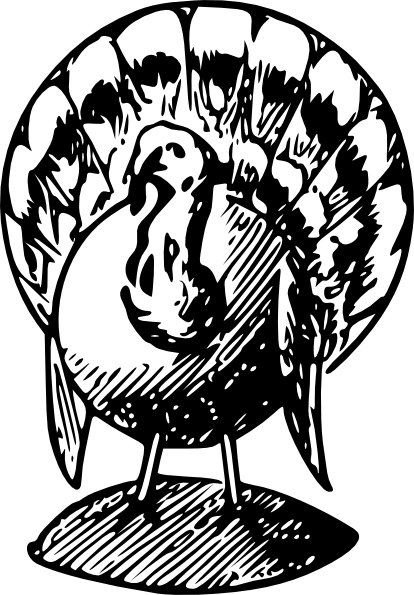

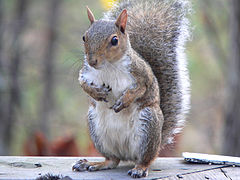


 a Hanukkah menorah